Arabescato Marble: Complete Guide
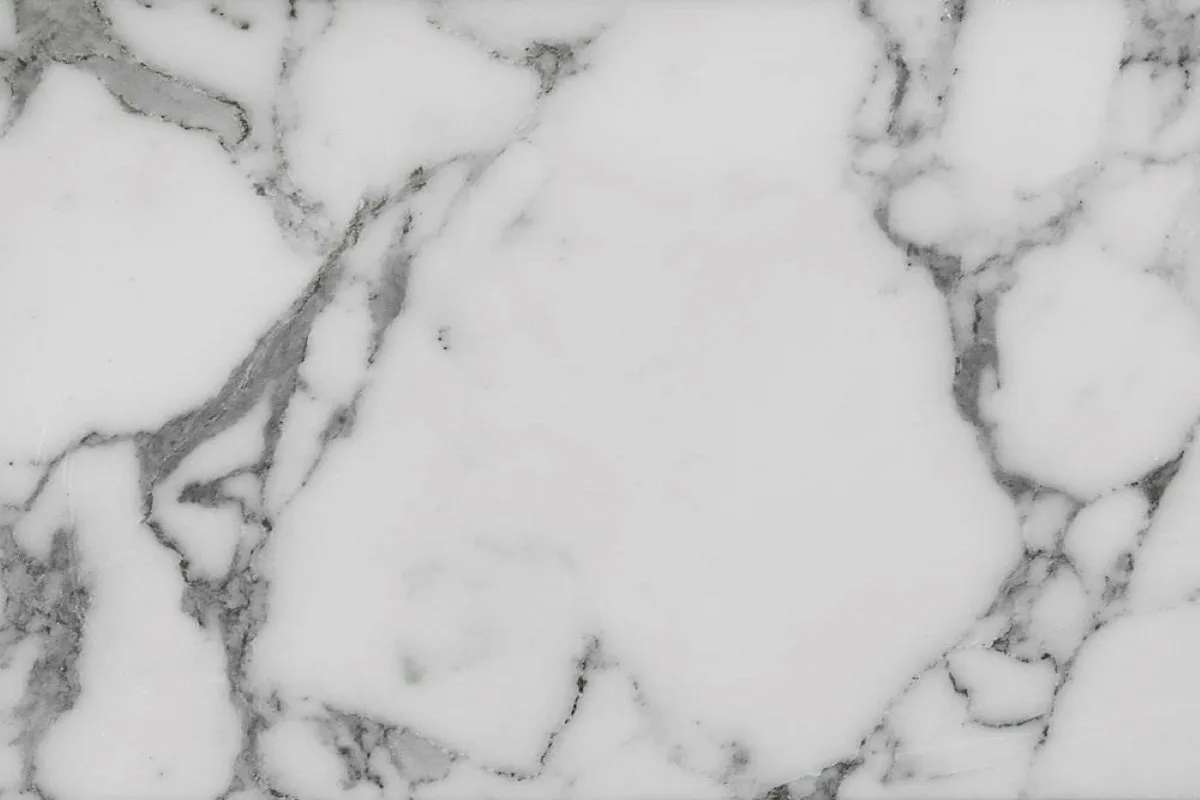
Arabescato is a premium marble, known for its elegant veining and light colour. Ideal for classy settings, it combines beauty and versatility.
History and origin
Arabescato marble comes mainly from the quarries of the Carrara area and other Italian regions, where the geological formation dates back to the Triassic period. Its characteristic white veins on a light‑grey background result from metamorphic processes and mineral impurities. Historically, it has been used in Renaissance and Baroque architecture, prized for its ability to reflect light and give spaces a luxurious appearance.
Look and veining
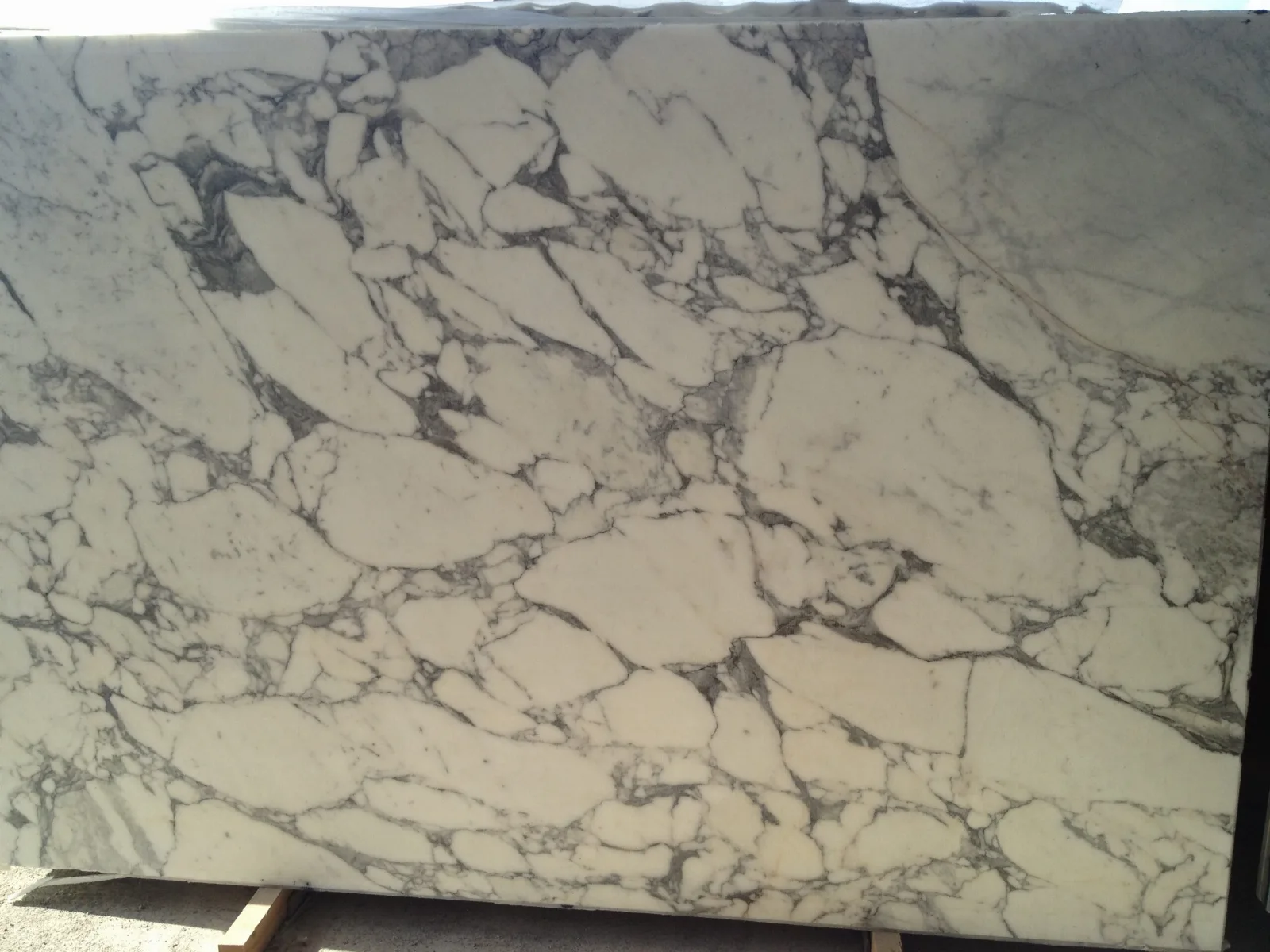
Arabescato features a light‑grey base with pronounced white veins, sometimes interrupted by thin golden filaments. The veins are irregular, giving the stone a dynamic look. The most common variants include Classic Arabescato, Arabescato Gold and Arabescato Light, differentiated mainly by the tone of the veins.
Technical properties (indicative)
| Hardness (Mohs) | 3-4 |
|---|---|
| Water absorption | 0.5-1.0% |
| Freeze resistance | Medium, requires sealing in cold climates |
| Acid resistance | Low, sensitive to strong acids |
| Density | 2.70-2.80 g/cm³ |
Recommended uses
Arabescato is recommended for flooring, wall cladding, kitchen countertops, bathrooms and interior stairs, where light can highlight its veins. It is less suitable for untreated outdoor areas or surfaces frequently exposed to acids, such as chemical labs. In high‑traffic environments a slip‑resistant finish and regular sealing are advisable.
Care and maintenance
To keep Arabescato at its best, it is essential to clean spills immediately with neutral water and soft cloths. Periodic sealing (every 12–24 months) is recommended to reduce liquid absorption. Avoid acidic or abrasive cleaners; for deep cleaning use marble‑specific products with a neutral pH. Polished surfaces require additional protection against scratches.
Pairings
- Arabescato with oak wood for a warm, natural contrast.
- Arabescato with stainless steel for a modern, minimalist look.
- Arabescato with deep blue tones for a sophisticated, relaxing environment.
FAQ
Is Arabescato suitable for outdoor flooring?
Only if treated with specific sealants and a slip‑resistant finish; otherwise it is preferable for indoor use.
How do you clean wine stains on Arabescato marble?
Blot immediately with a clean cloth and warm water; then treat with a neutral marble cleaner.
What is the difference between Classic Arabescato and Arabescato Gold?
Gold features more golden veins and a slightly warmer base compared to Classic.
Can I use Arabescato for kitchen countertops?
Yes, but regular sealing and the use of cutting boards to protect the surface are recommended.
Products in Arabescato
Similar materials
White Safaga
Marbles · Read the guide →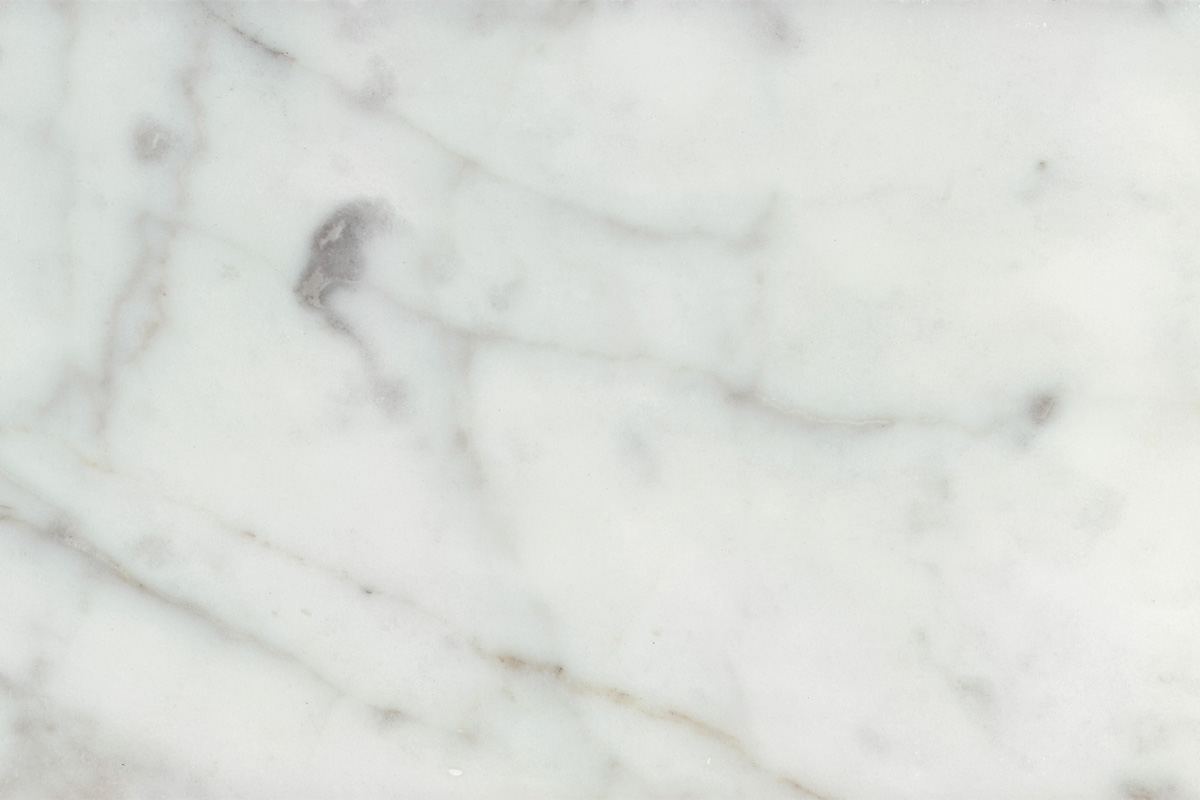
Bianco Carrara Gioia
Marbles · Read the guide →
Fantastico Arni
Marbles · Read the guide →
Alabama White
Marbles · Read the guide →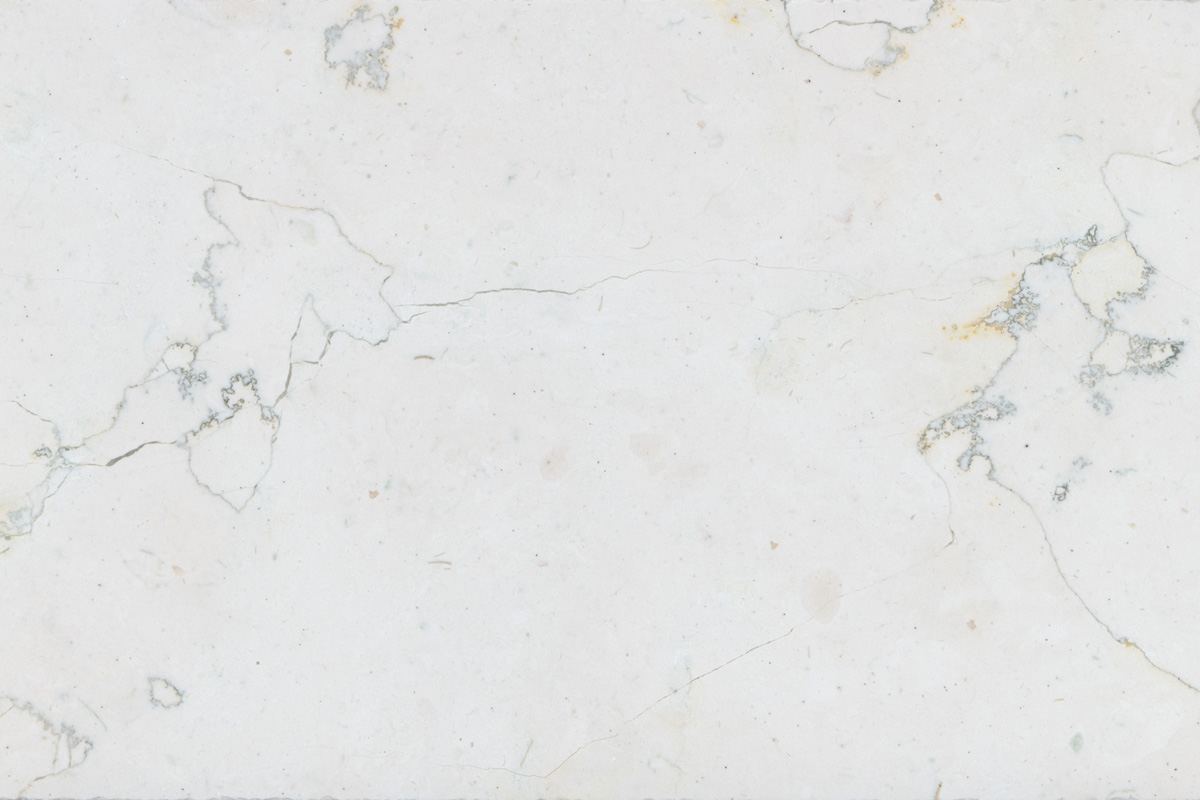
Perlino Bianco
Marbles · Read the guide →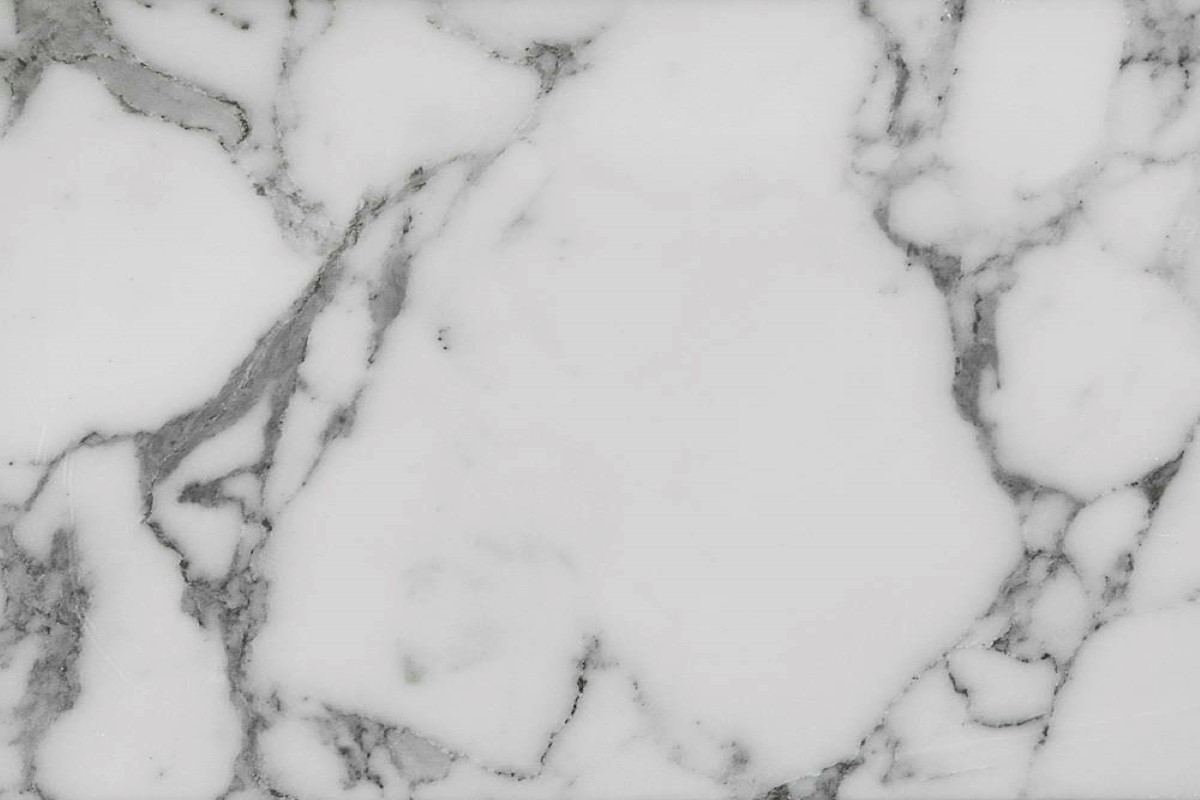
Arabescato Cervaiole
Marbles · Read the guide →
Yule Marble
Marbles · Read the guide →