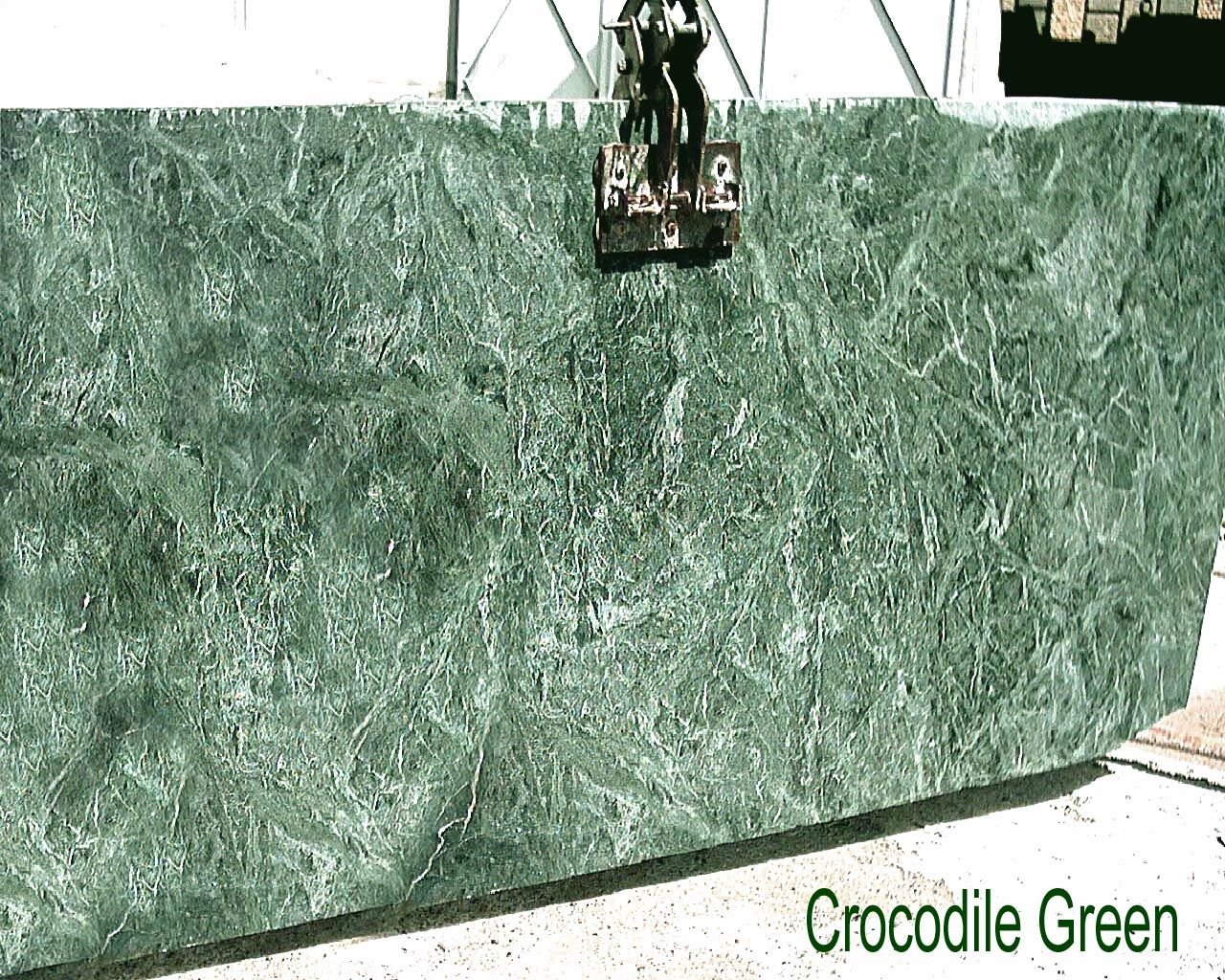
Cipollino Versilia: Complete Guide
Cipollino Versilia is a marble from the cipollino family, recognizable for its wavy, layered veins that recall the layers of an onion. It is chosen for cladding and furnishings with a natural character, featuring a linear and dynamic pattern.
History and origin
The term cipollino has denoted for centuries marbles with parallel layered veining, often with the presence of micaceous and chloritic inclusions that give greenish reflections. The reference to Versilia evokes the Apuan area, a historic marble region, although the commercial name may cover slabs from different origins. For this reason it is advisable to always assess the actually available slabs. Carrara marble is supplied on request.
Look and veining
The background is light, with tones ranging from pearl gray to gray‑green, crossed by darker wavy veins that run parallel. The pattern changes noticeably according to the cutting direction: cutting on the opposite or secondary side yields very different effects. Polishing accentuates the contrast of the veins, while honing gives a softer, more uniform appearance.
Technical properties (indicative)
| Classification | cipollino marble (calcitic with micaceous and chloritic inclusions) |
|---|---|
| Weight per unit volume | approximately 2,700 kg/m³ (indicative) |
| Mohs hardness | around 3 |
| Water absorption | low |
| Primary use | interiors |
| Acid resistance | low: sensitive to lemon, vinegar and descaling agents |
Recommended uses
Suitable for wall cladding, residential flooring, bathrooms, interior stairs and furniture tops. In kitchens it should be used with caution because of its sensitivity to acids; micaceous layers can make some slabs more delicate along the veins.
Care and maintenance
Clean with neutral‑pH detergents and dry any spilled liquids without scrubbing. Periodic hydro‑oil‑repellent treatment reduces the risk of staining, especially on honed finishes.
Pairings
- bleached oak wood
- satin steel and brushed nickel
- walls in warm gray plaster
FAQ
What distinguishes a cipollino from a classic veined marble?
Cipollino has parallel, wavy veins caused by layers of micaceous and chloritic material, whereas classic veined marbles have more irregular, branching veins.
Does the cutting direction matter?
Yes. Cutting along the layering shows a pattern of broad spots, cutting across highlights the parallel lines: choose the cut based on the desired effect.
Can it be used in a shower enclosure?
Yes, with a honed finish and a good protective treatment, but avoid aggressive descaling cleaners.
How do I order it?
It is supplied on request as slabs or custom‑fabricated pieces: provide dimensions and intended use and you will receive a quote and photos of the available slabs.
Cipollino Versilia: available on request
We supply this stone as blocks, slabs, tiles and custom-made pieces. Tell us size, thickness and quantity: we will send photos of the available slabs and a quote within 24 hours.
Similar materials

Yuli Green
Marbles · Read the guide →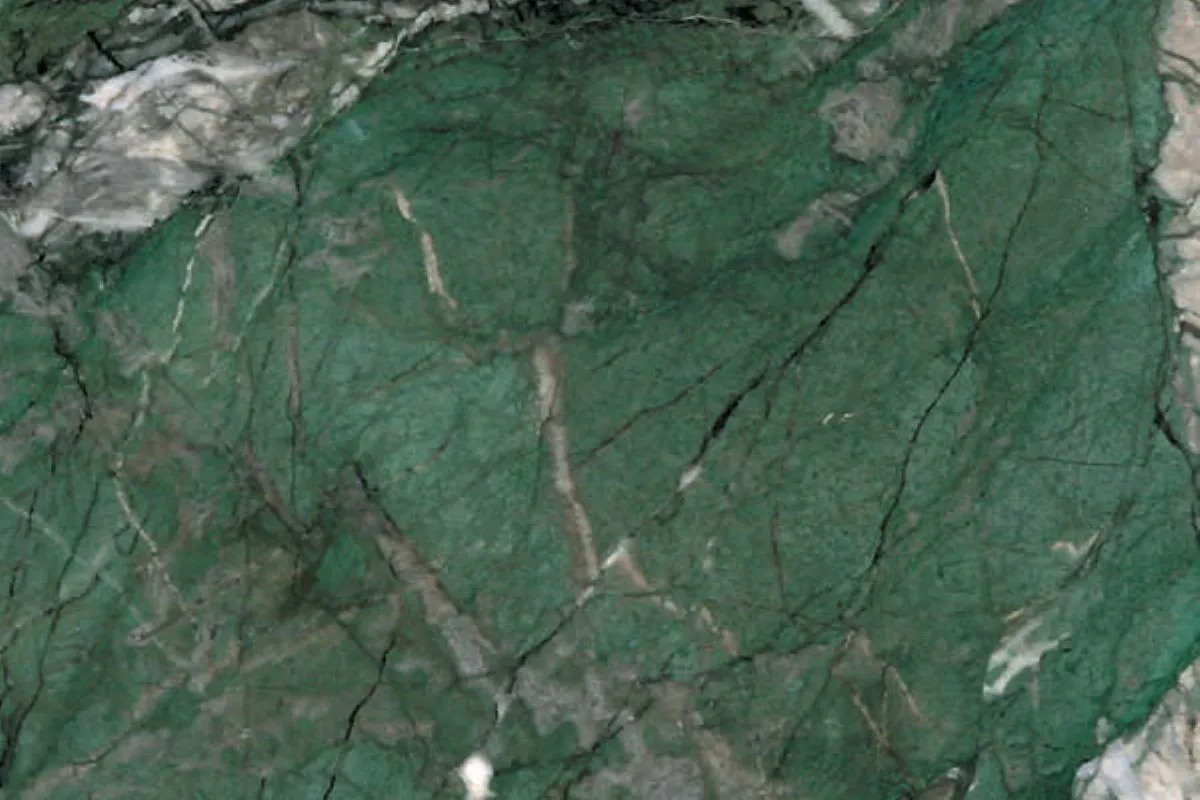
Verde Malachite
Marbles · Read the guide →
Verde Gressoney
Marbles · Read the guide →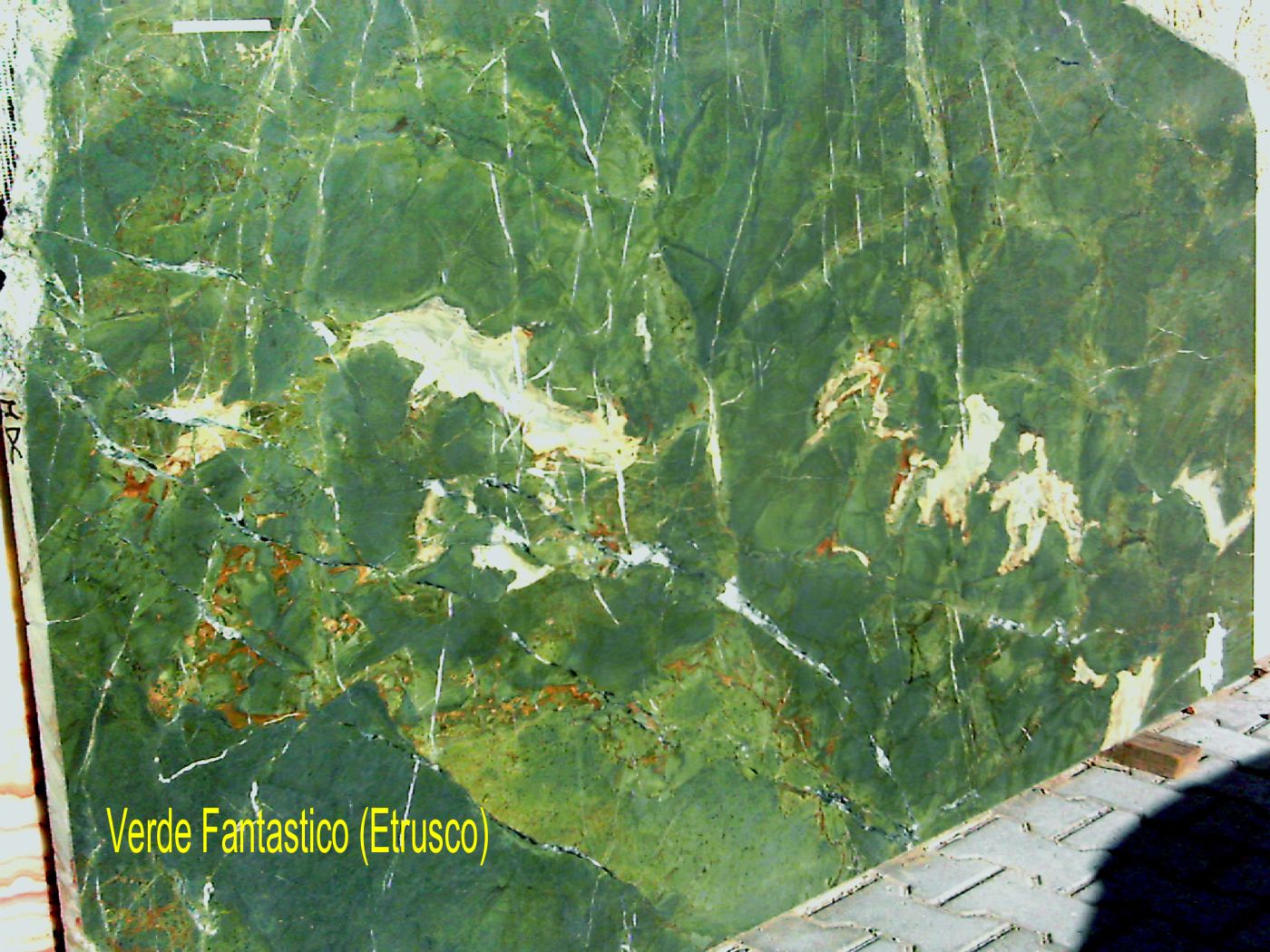
Verde Fantastico
Marbles · Read the guide →
Forest Green
Marbles · Read the guide →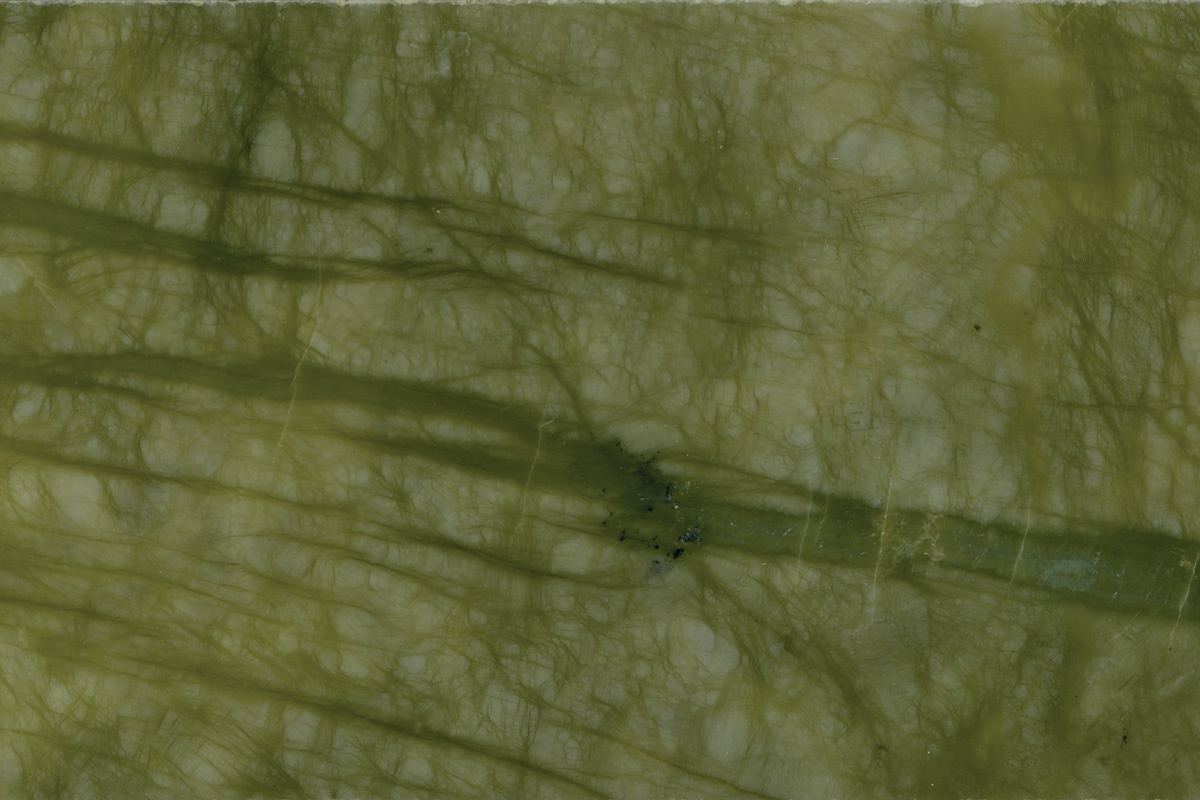
Verde Ming
Marbles · Read the guide →
Verde Kolmården
Marbles · Read the guide →