Stainz Gneiss: the complete guide
Stainz Gneiss is a grey-green Austrian metamorphic stone that splits naturally into slabs. It is chosen for paving, walls and exterior cladding that require durability and a natural look.
History and origin
It comes from the Stainz area in western Styria, where it is known as Plattengneis, meaning slab gneiss. Its schistose structure allows slabs of fairly regular thickness to be obtained, traditionally used for paving, stairs and dry-stone walls in the Austrian Alpine region. It is a material valued for its resistance to weathering. Marmi di Carrara supplies it on request.
Look and veining
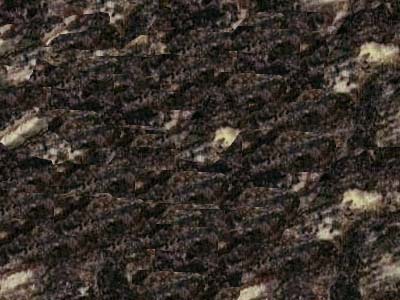
The grey background with green highlights is crossed by thin mineral bands and mica flakes that glint in the light. The natural cleft surface shows slight undulations and variations in tone from slab to slab. In addition to the natural face, it can be sawn, honed, flamed or brushed for more regular surfaces.
Technical properties (indicative)
| Classification | gneiss (metamorphic rock) |
|---|---|
| Bulk density | approx. 2,700 kg/m³ (indicative) |
| Mohs hardness | approx. 6 |
| Water absorption | low |
| Main use | mainly exteriors, also interiors |
| Acid resistance | good |
Recommended uses
It is suitable for outdoor paving, garden paths, stairs, low walls, façade cladding and pool surrounds. Indoors it is used for floors and walls in a rustic or Alpine style; for work surfaces sawn and honed slabs are preferred.
Care and maintenance
It is cleaned with water and neutral detergents, including with brushes outdoors. A water-repellent treatment reduces moss and stains in damp areas, and cleft surfaces benefit from more vigorous periodic cleaning.
Pairings
- larch and chestnut wood
- Corten steel
- lawns, gravel and Alpine plants
FAQ
What does Plattengneis mean?
It is the German term for slab gneiss: it indicates how easily the stone splits along its schistosity planes, yielding slabs with a natural face.
Is it frost-resistant?
Yes, its low porosity and silicate composition make it suitable for Alpine climates. For walkable surfaces the natural cleft finish also offers good grip.
Can it be used indoors?
Yes, for floors, walls and fireplaces in a rustic or Alpine style. Sawn and honed slabs give a more contemporary effect.
How do I order it?
Send us the area, thicknesses and formats you want, random-length or made to measure: we will prepare a quote with photos of the available material.
Gneiss Di Stainz: available on request
We supply this stone as blocks, slabs, tiles and custom-made pieces. Tell us size, thickness and quantity: we will send photos of the available slabs and a quote within 24 hours.
Similar materials
Granito Verde Pantanal
Granites · Read the guide →
Granito Emerald Green
Granites · Read the guide →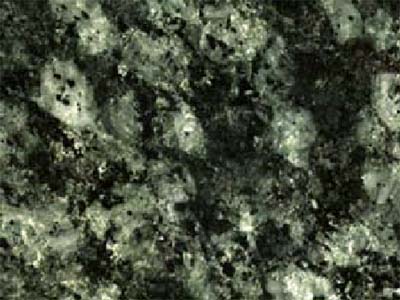
Granito Verde Bitterfontein
Granites · Read the guide →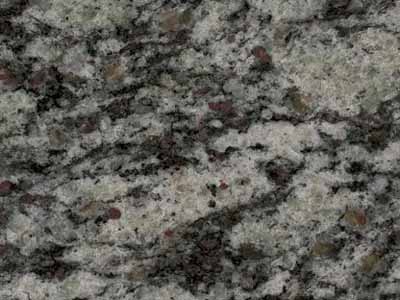
Granito Desert Green
Granites · Read the guide →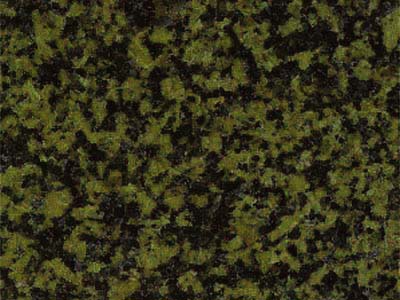
Granito Balmoral Green
Granites · Read the guide →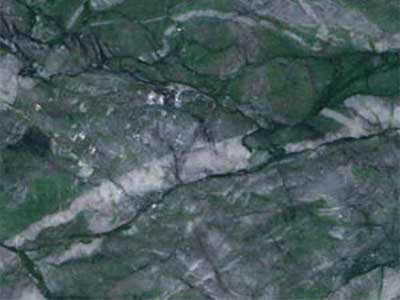
Granito Munyati Green
Granites · Read the guide →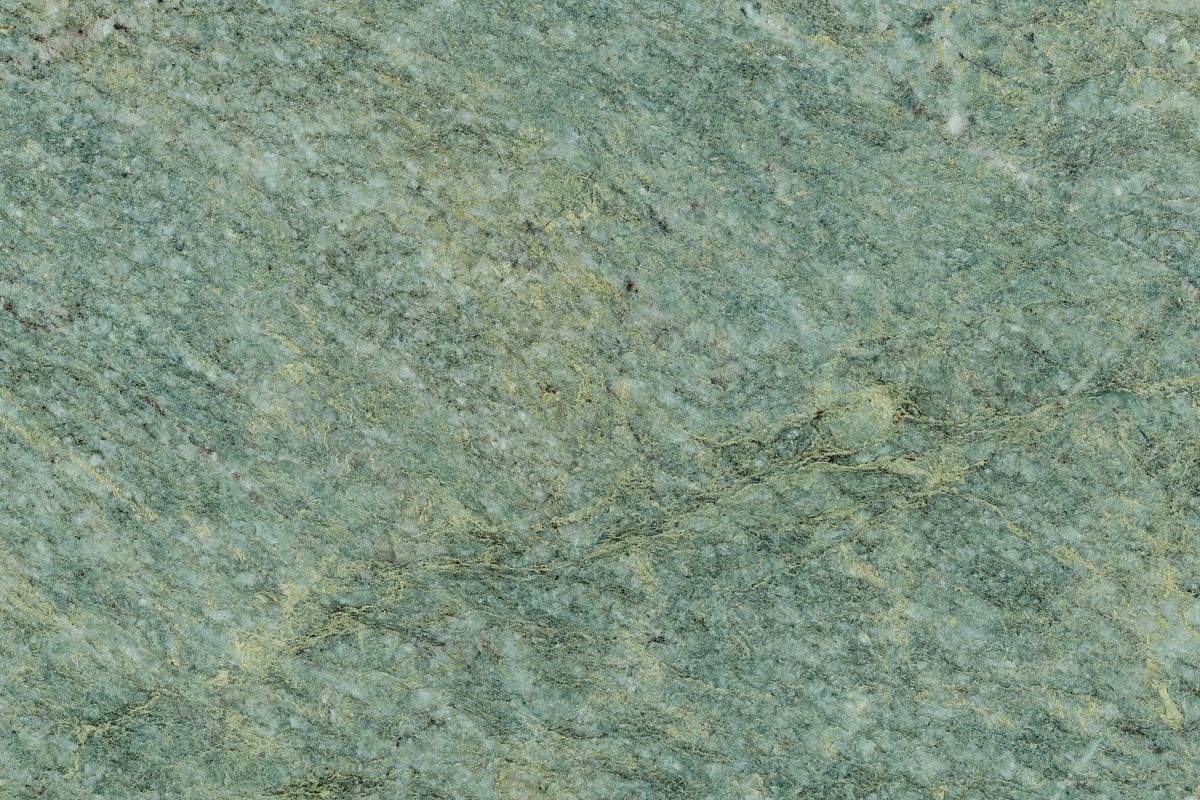
Granito Costa Smeralda
Granites · Read the guide →