Cannstatt Travertine: complete guide
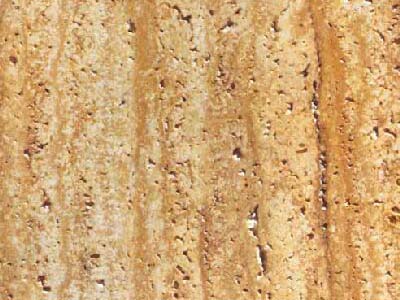
Cannstatt Travertine is a German travertine in beige-yellow tones, associated with the Stuttgart area. It is chosen for its warm appearance and its tradition of use in the architecture of southern Germany.
History and origin
It comes from Bad Cannstatt, a district of Stuttgart in Baden-Württemberg, an area known for its mineral water springs. The travertine formed through the deposition of calcium carbonate from these waters, creating porous, vuggy layers. It has long been used in local construction for façades, floors and architectural elements. Marmi di Carrara supplies it on request.
Look and veining
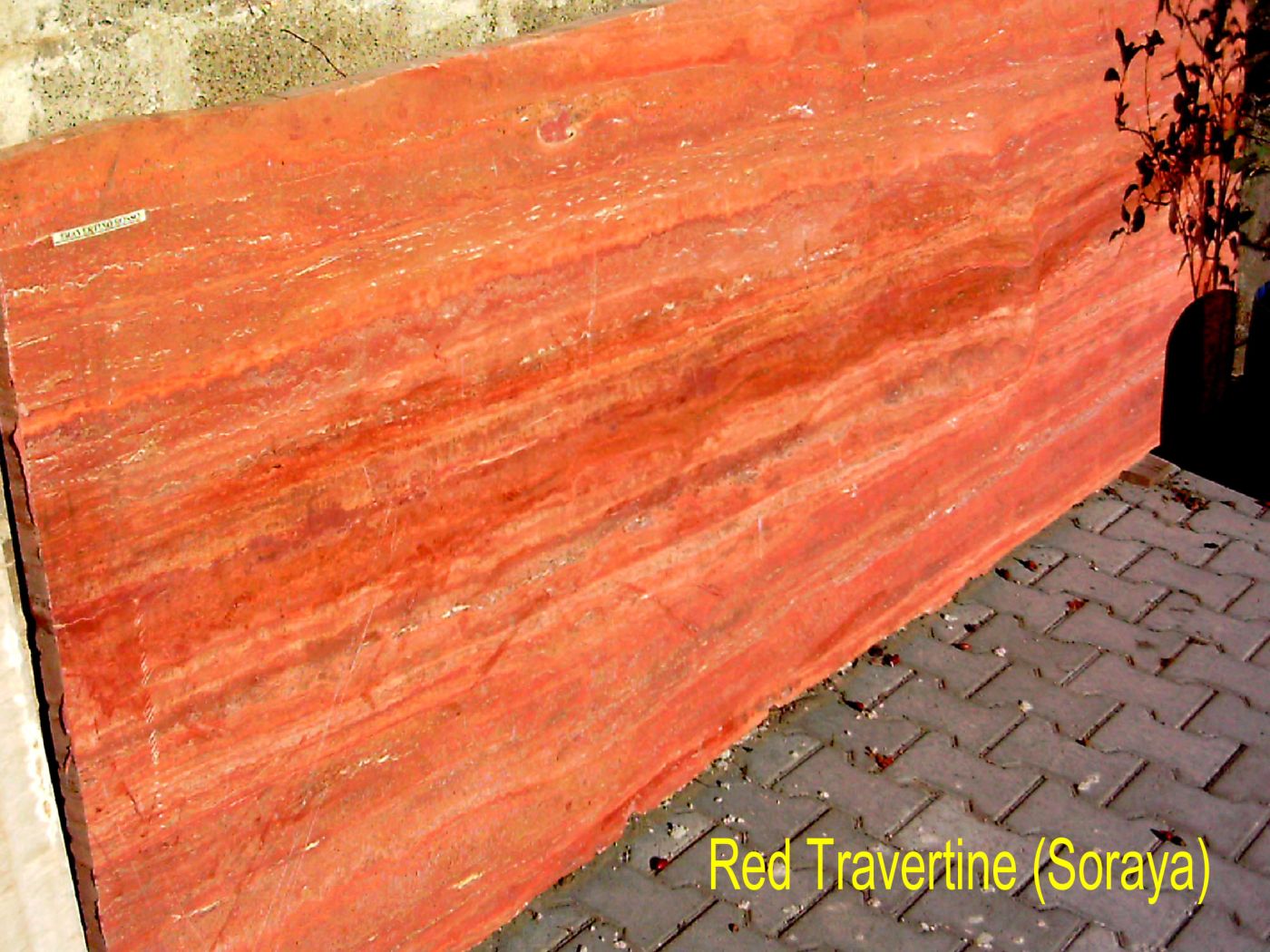
The colour ranges from beige to honey yellow, with streaks and small cavities typical of travertine. Tone and density of the voids vary between slabs, depending on the quarry bed. Honed and filled, it looks more uniform, while brushed or with open voids it is more textured.
Technical properties (indicative)
| Classification | travertine (sedimentary limestone rock) |
|---|---|
| Density | approx. 2,400 kg/m³ (indicative) |
| Mohs hardness | approx. 3 |
| Water absorption | medium |
| Main use | indoor and outdoor |
| Acid resistance | low: sensitive to acidic substances |
Recommended uses
Suitable for floors, cladding, stairs, façades and bathrooms. Outdoors, brushed or open-void finishes are preferred; it is not very suitable for kitchen worktops because of its sensitivity to acids.
Care and maintenance
Clean with neutral detergents and treat with a water-repellent protector. Check the filling of the voids over time, especially in high-traffic areas.
Pairings
- oak or chestnut wood
- wrought iron and burnished metals
- sand-coloured lime plaster
FAQ
Should the voids be filled?
It depends on the use: on interior floors they are filled for a smooth, easy-to-clean surface; on façades or outdoors they can be left open.
Can it be used outdoors?
Yes, it has a long tradition of use in façades and paving; it is advisable to choose non-slip finishes and check the frost resistance of the batch.
How does it differ from Roman travertine?
Both are travertines, but they come from different deposits: Cannstatt has yellower tones and a pattern linked to the springs of the Stuttgart area.
How do I order it?
It is available on request: tell us the formats, thicknesses and finish and we will send you a quotation with photos of the material.
Travertino Di Cannstatt: available on request
We supply this stone as blocks, slabs, tiles and custom-made pieces. Tell us size, thickness and quantity: we will send photos of the available slabs and a quote within 24 hours.
Similar materials
Travertino Giallo Persiano
Travertines · Read the guide →
Travertino Classico Gold
Travertines · Read the guide →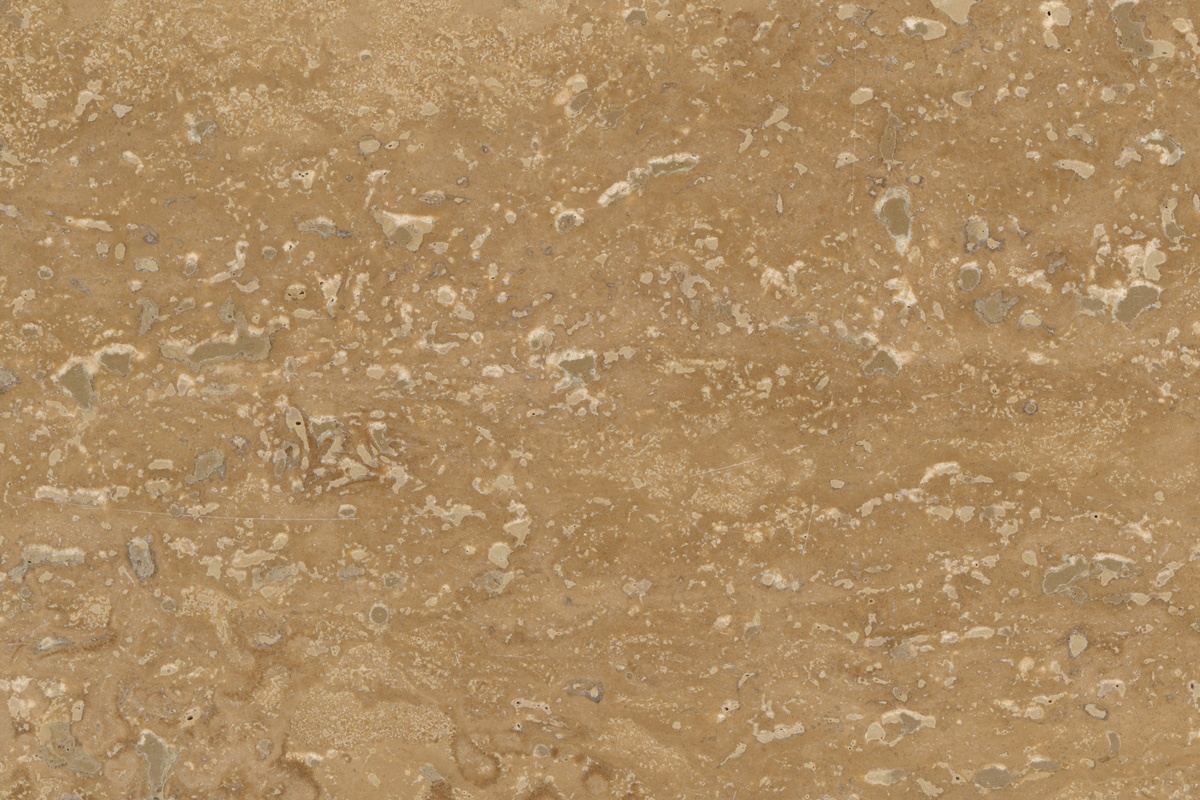
Travertino Noce
Travertines · Read the guide →
Travertino Rojo
Travertines · Read the guide →
Travertino Iberico
Travertines · Read the guide →
Travertino Altintas
Travertines · Read the guide →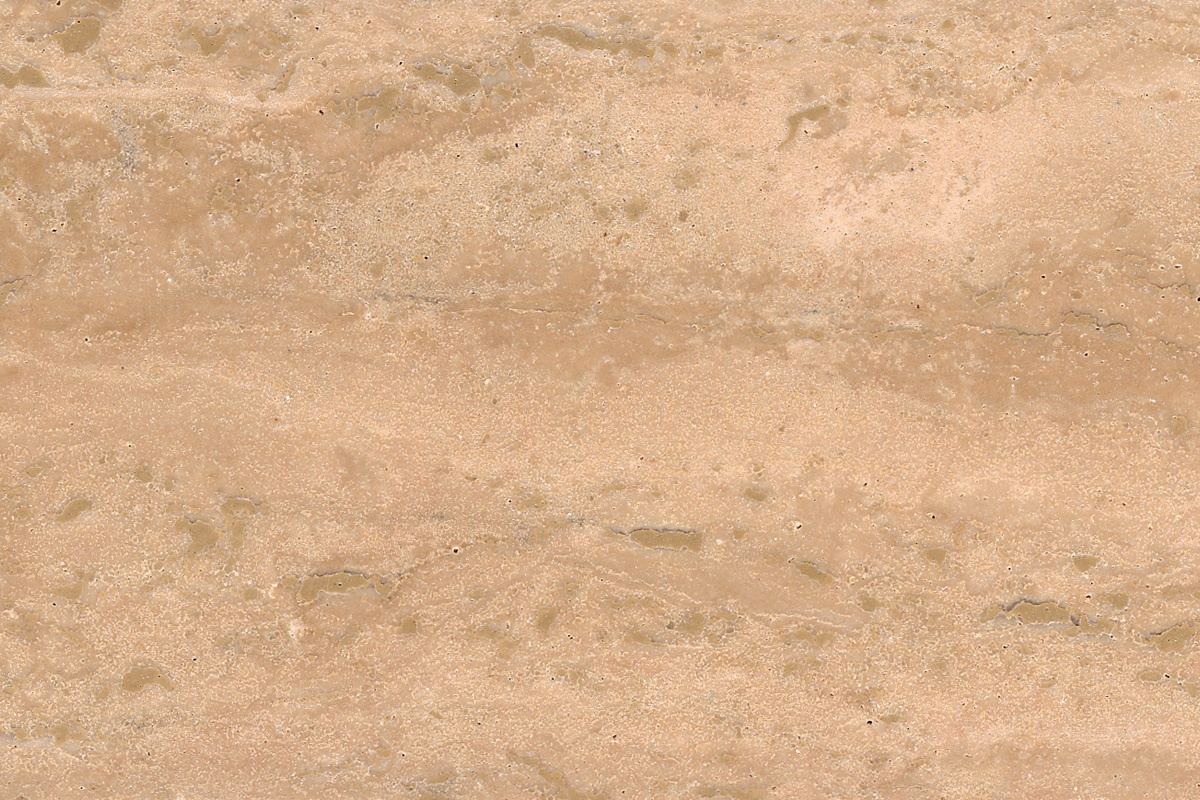
Travertino
Travertines · Read the guide →