Portasanta: complete guide
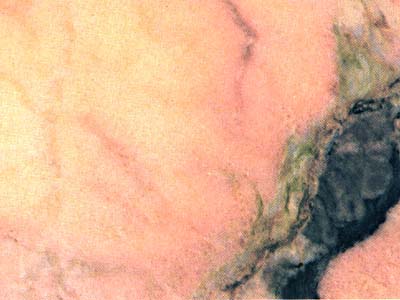
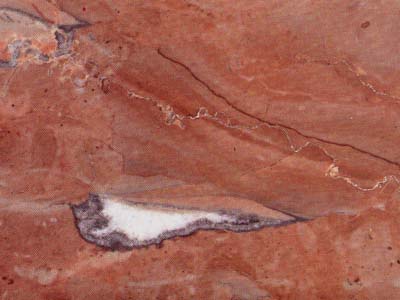
Portasanta is a brecciated marble in pink and red tones, with the patchy, fragmented pattern typical of breccias. It is a material of great historical and decorative value, suited to interiors with character and restoration work.
History and origin
The name is traditionally linked to the use of this stone in the Holy Door (Porta Santa) of St Peter's Basilica in Rome. In antiquity the marble of this name came from the Greek island of Chios, while today breccias of similar appearance and various origins are sold under the same name. This is why it is important to assess the batch available. Marmi di Carrara supplies it on request.
Look and veining
The background alternates pink, coral red and dark red tones, with fragments and patches in grey, white or yellowish tones and fine veins. Variability is high: some slabs are pinker and more uniform, others more brecciated and contrasting. Polishing enhances the colours, while matt finishes give a more antique look.
Technical properties (indicative)
| Classification | brecciated limestone marble |
|---|---|
| Bulk density | approx. 2,700 kg/m³ (indicative) |
| Mohs hardness | approx. 3 |
| Water absorption | low, variable in the matrix |
| Main use | decorative interiors and restoration |
| Acid resistance | low: sensitive to acids and aggressive detergents |
Recommended uses
Suitable for cladding, decorative floors, inlays, fireplaces, bathroom tops and the restoration of historic buildings. Not recommended for exposed exteriors or kitchen worktops.
Care and maintenance
Clean with neutral detergents, without acidic or abrasive products. An impregnating sealer protects the surface from stains; for historic surfaces it is preferable to rely on specialist restorers.
Pairings
- white and grey marbles for patterned floors
- burnished brass and bronze
- antique woods such as walnut and chestnut
FAQ
Is today's Portasanta the same as the ancient marble?
Not necessarily: ancient Portasanta came from Chios, while today the name also refers to pinkish breccias of similar appearance quarried elsewhere. For faithful restorations it is advisable to compare samples with the original material.
Is it suitable for restoration work?
Yes, it is often requested to integrate historic floors and decorations. If you send us photos and dimensions, we can look for the batch closest in colour and pattern.
Can it be used in a modern bathroom?
Yes, for tops, cladding or a sculptural washbasin it is an original choice; protect it with an impregnating sealer and clean it with neutral products.
How do I order it?
Portasanta is supplied on request: tell us the dimensions and intended use and we will send you photos of the available slabs with a detailed quote.
Portasanta: available on request
We supply this stone as blocks, slabs, tiles and custom-made pieces. Tell us size, thickness and quantity: we will send photos of the available slabs and a quote within 24 hours.
Similar materials
Sarrancolin
Marbles · Read the guide →
Giallo Antico Plus
Marbles · Read the guide →
Rosso Asiago
Marbles · Read the guide →
Breccia Di Stazzema
Marbles · Read the guide →
Champion Pink
Marbles · Read the guide →
Rosso Magnaboschi
Marbles · Read the guide →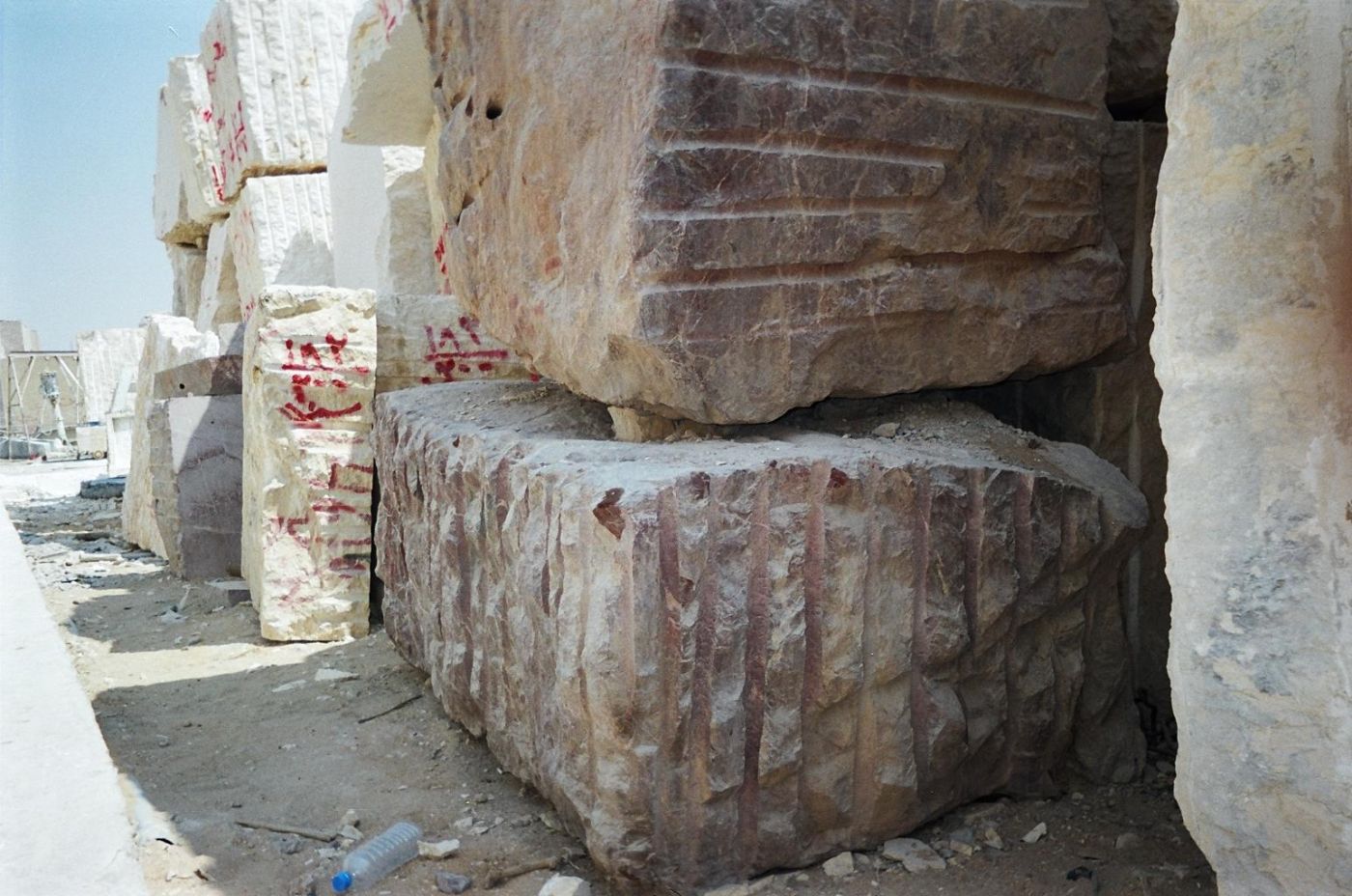
Rosso Ravel
Marbles · Read the guide →