History and origin
It is quarried on the Plateau of the Seven Communes, in the province of Vicenza. Like Rosso Verona it belongs to the "rosso ammonitico" formation, a nodular limestone used for centuries for floors, stairs and architecture in the Veneto. Marmi di Carrara supplies it on request.
Look and veining
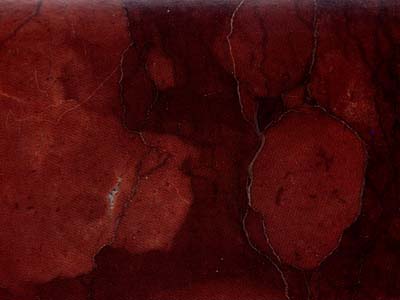
A reddish-pink background with lighter and darker nodules and fine veins. Tones vary from pink to brick red.
Technical properties (indicative)
| Classification | Compact limestone (commercial marble) |
|---|---|
| Density | about 2,650 kg/m³ (indicative) |
| Mohs hardness | about 3 |
| Water absorption | low |
| Main use | interiors and exteriors |
| Acid resistance | low |
Recommended uses
Indoor and outdoor floors, stairs, thresholds, window sills, cladding and restoration.
Care and maintenance
Neutral detergents and water for routine cleaning; no acids or aggressive de-icing salts. Outdoors a water-repellent limits dirt, moss and absorption; indoors a stain-proof sealer protects tops and floors. The surface can be re-honed over time.
Pairings
- With light marbles in a checkerboard.
- With wood and terracotta.
- With light plaster outdoors.
FAQ
How does it differ from Rosso Verona?
They are similar stones from the same geological formation; colour and pattern vary by area and bed.
Can it be used outdoors?
Yes, in compact grades with non-slip finishes.
Is it a marble?
It is a nodular limestone sold as marble.
Is it good for stairs?
Yes, it is one of its traditional uses.
Rosso Asiago: available on request
We supply this stone as blocks, slabs, tiles and custom-made pieces. Tell us size, thickness and quantity: we will send photos of the available slabs and a quote within 24 hours.
Similar materials
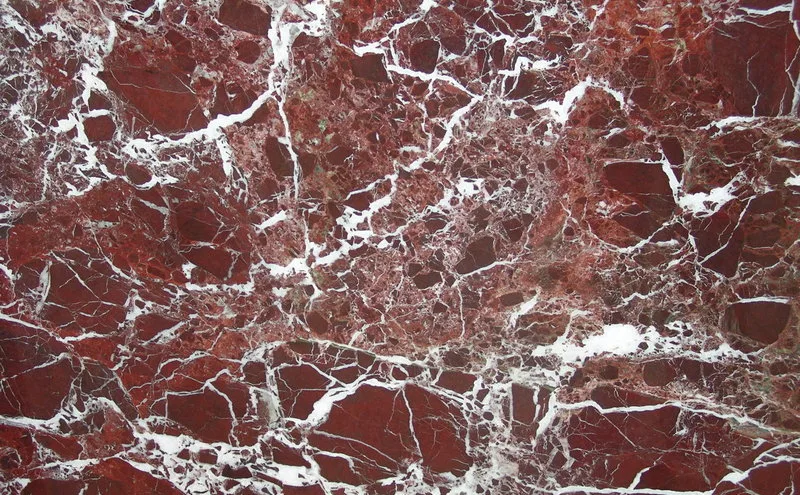
Rosso Levanto
Marbles · Read the guide →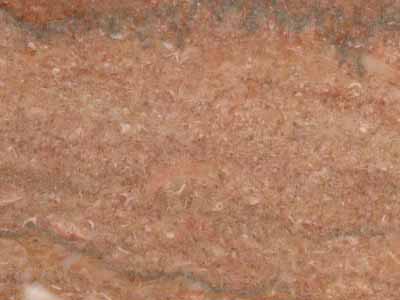
Tennessee Dark Rose
Marbles · Read the guide →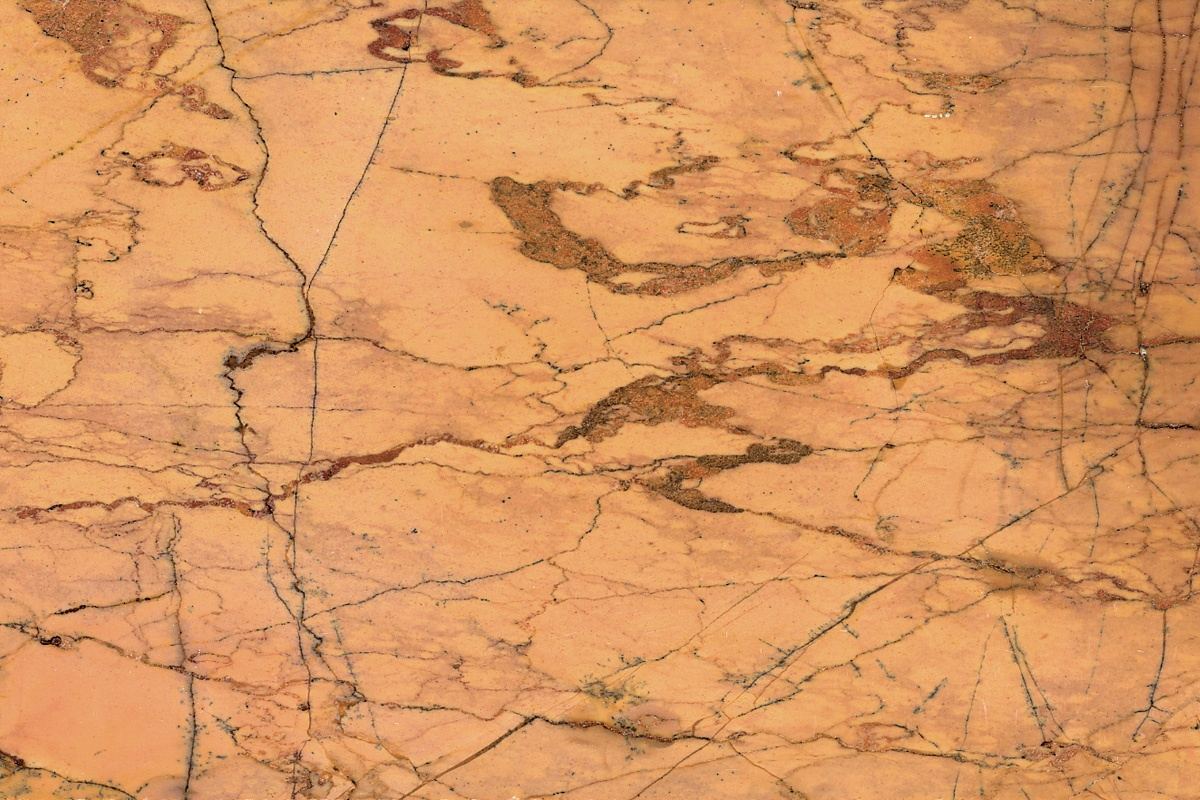
Giallo Damasco
Marbles · Read the guide →
Tennessee Fleuri
Marbles · Read the guide →
Rosa Aurora
Marbles · Read the guide →
Rosso Ravel
Marbles · Read the guide →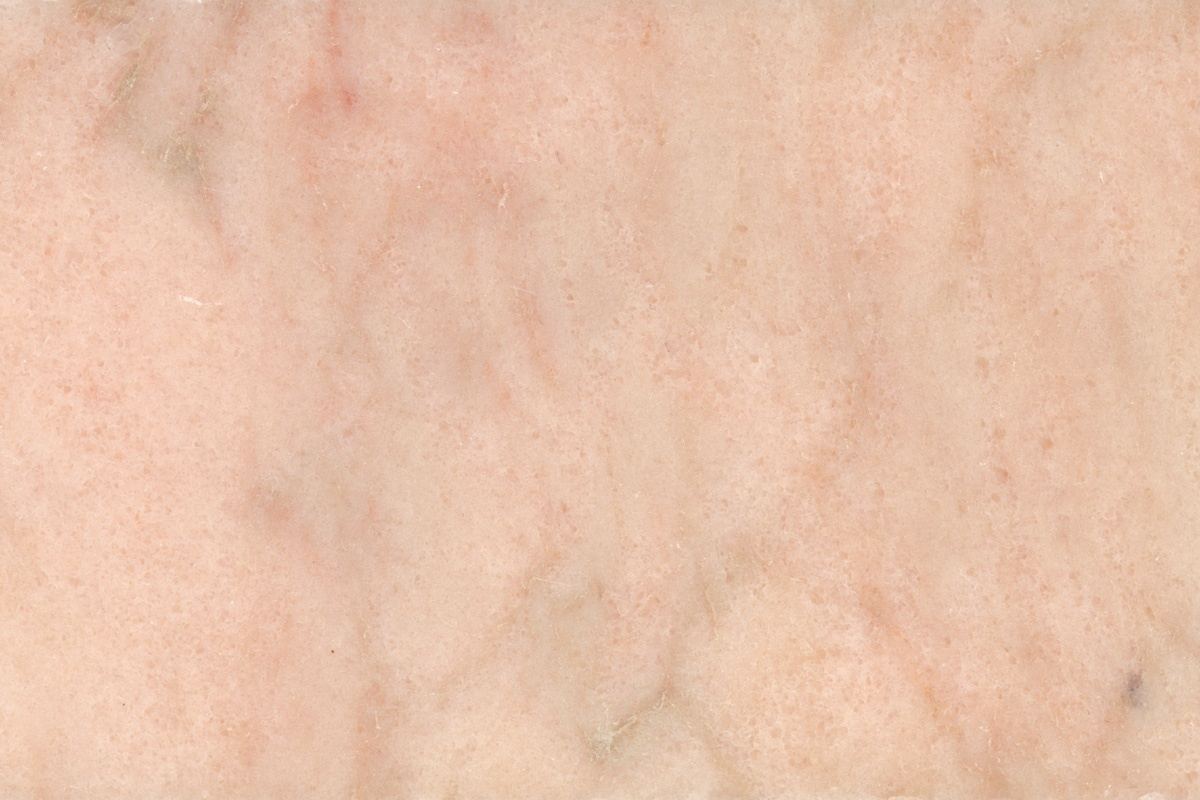
Rosa Portogallo
Marbles · Read the guide →