History and origin
Travertine forms from calcite deposits in hot springs and rivers, where calcium carbonate‑rich water precipitates into porous layers. The most famous quarries are in Italy (Tuscany, Lazio), Turkey and Mexico, but the stone is also extracted in other Mediterranean regions. For centuries it has been used in Roman architecture, from the Colosseum to the baths, and has continued to adorn Renaissance and modern buildings, maintaining a historic link with luxury design.
Look and veining
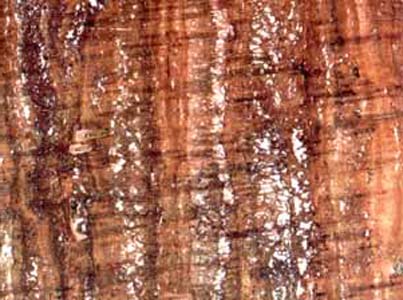
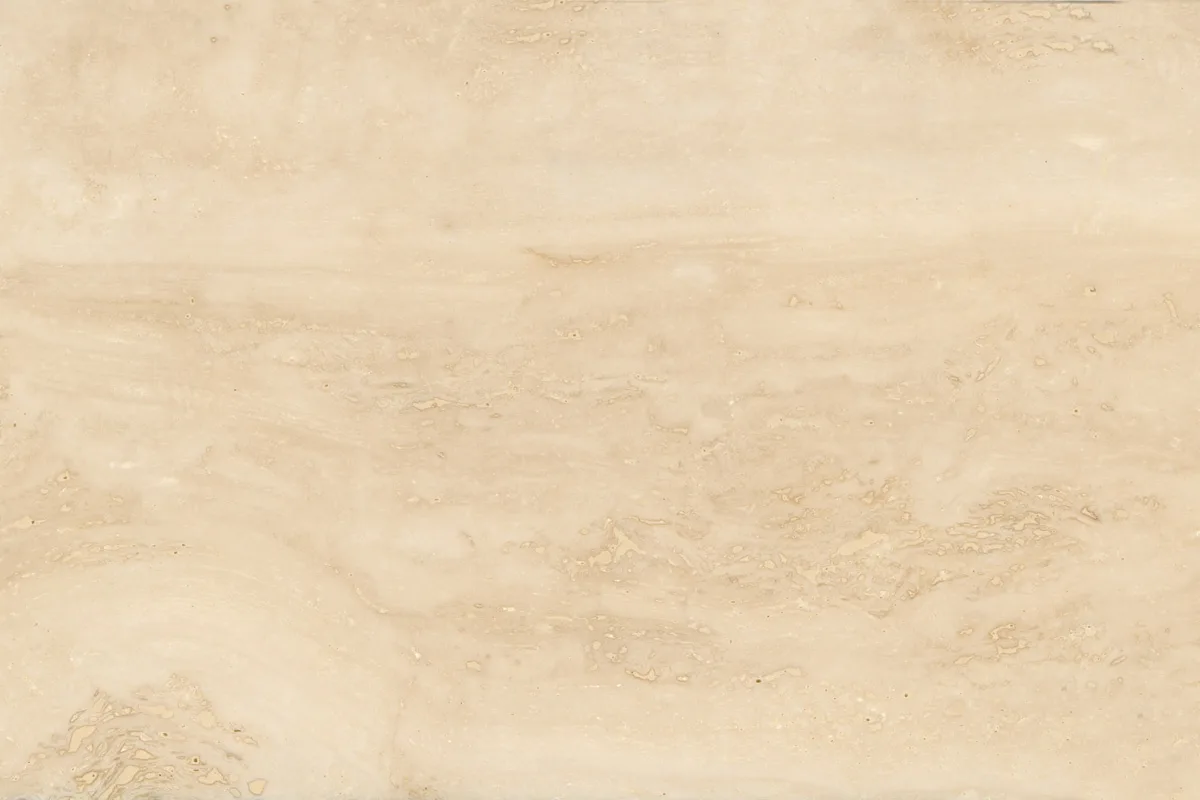
Travertine features a porous surface with cavities filled with wax or resin, highlighting warm tones from cream white to beige, golden yellow and brown‑red. The veins are generally linear or reticulated, with density variations that create depth effects. The most common variants include classic Travertine, “silver” and “golden”.
Technical properties (indicative)
| Hardness (Mohs) | 3–4 |
|---|---|
| Water absorption | ≤ 12 % |
| Freeze resistance | Medium, requires sealing |
| Acid resistance | Low, can stain |
| Density | 2.3–2.5 g/cm³ |
Recommended uses
Travertine is ideal for flooring, wall cladding, stairs and bathrooms thanks to its elegant appearance and ability to stay cool. It is less recommended for high‑traffic areas without anti‑slip treatment and for environments subject to frequent acid splashes, such as chemical labs, because the stone can react and stain.
Care and maintenance
To preserve Travertine’s beauty it is essential to seal it periodically with penetrating resin‑based products. Clean with warm water and neutral detergents, avoiding acids (vinegar, lemon) and abrasive brushes. For stains, use a cleaner specifically formulated for calcareous stones and rinse thoroughly.
Pairings
- White Travertine with satin brass fixtures for a classic‑style bathroom.
- Golden Travertine paired with dark wood for a rustic, welcoming kitchen.
- Silver Travertine with minimalist cement furniture for a contemporary look.
FAQ
Is Travertine suitable for outdoor use?
Yes, but a non‑slip finish and proper sealing are recommended to withstand the elements.
How long does the sealing last?
Typically 2‑3 years, depending on use and exposure.
Can it be polished to achieve a glossy finish?
Yes, Travertine can be polished, but the porous surface requires resealing afterward.
Is it possible to use Travertine on heated surfaces?
Absolutely, Travertine conducts heat well, making it ideal for radiant floor heating.
Travertini: available on request
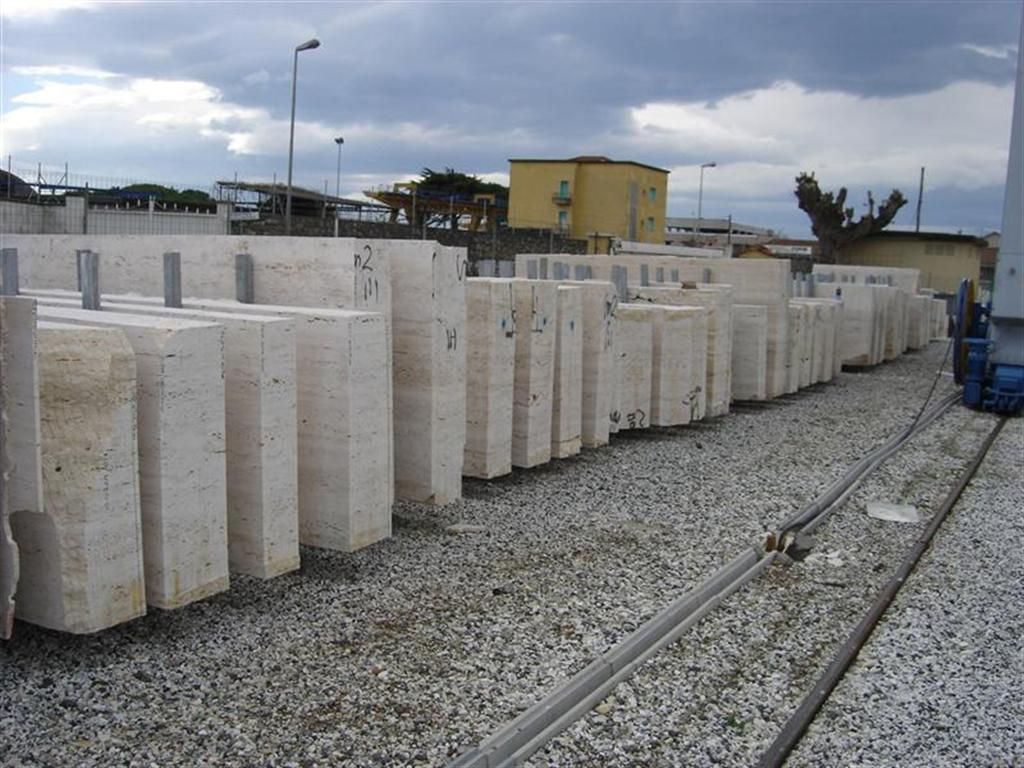
We supply this stone as blocks, slabs, tiles and custom-made pieces. Tell us size, thickness and quantity: we will send photos of the available slabs and a quote within 24 hours.
Similar materials
Travertino Romano Classico
Travertines · Read the guide →
Travertino Altintas
Travertines · Read the guide →
Travertino Iberico
Travertines · Read the guide →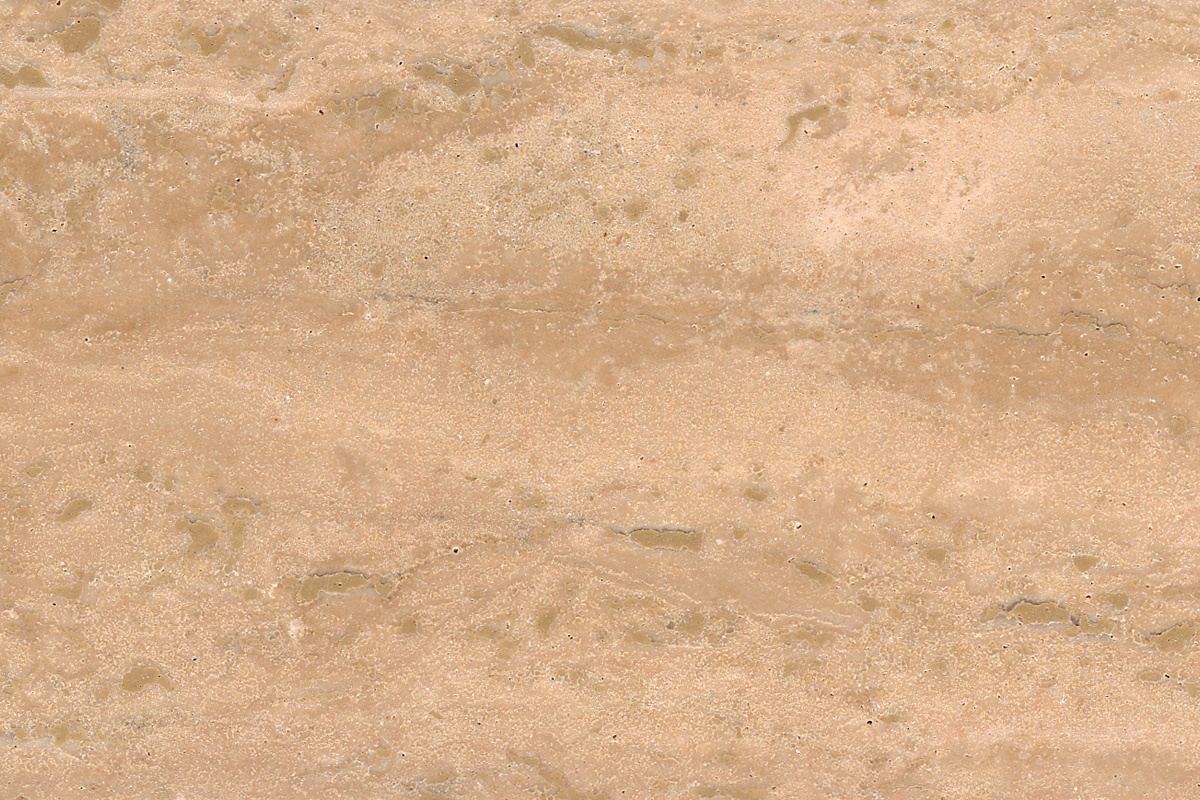
Travertino
Travertines · Read the guide →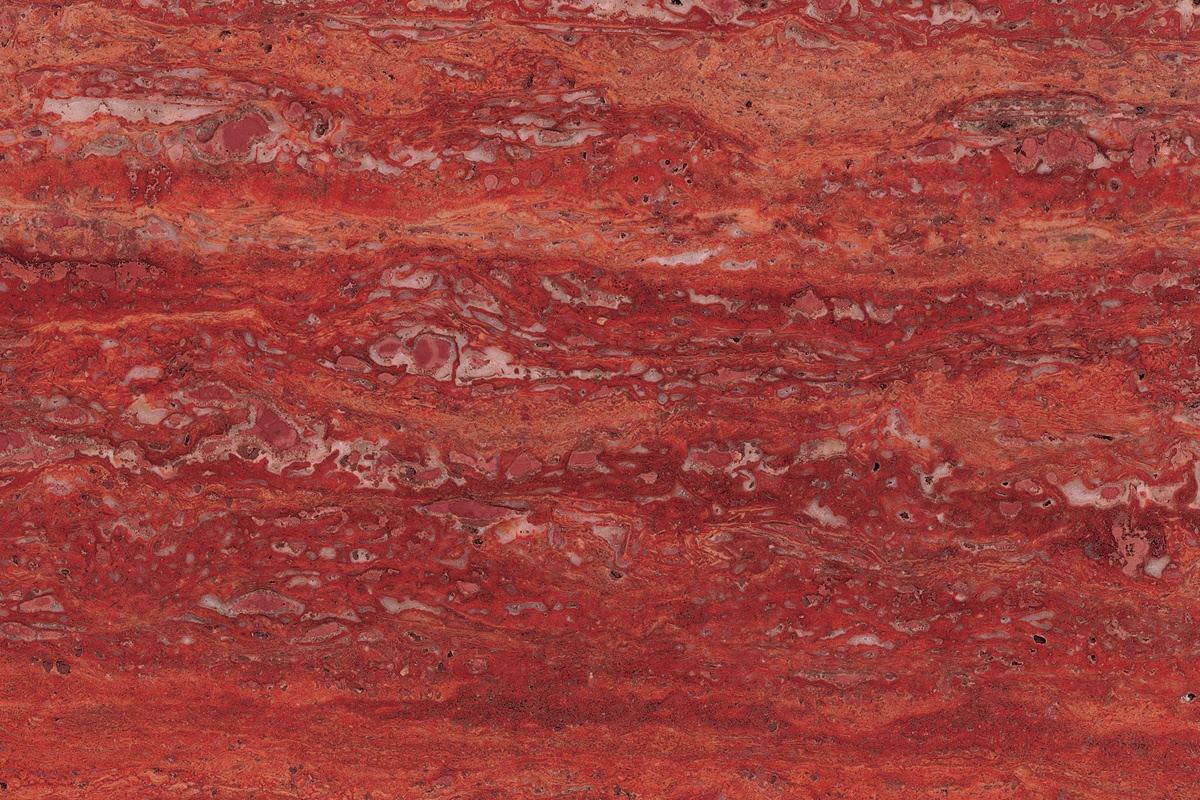
Travertino Rosso Persiano
Travertines · Read the guide →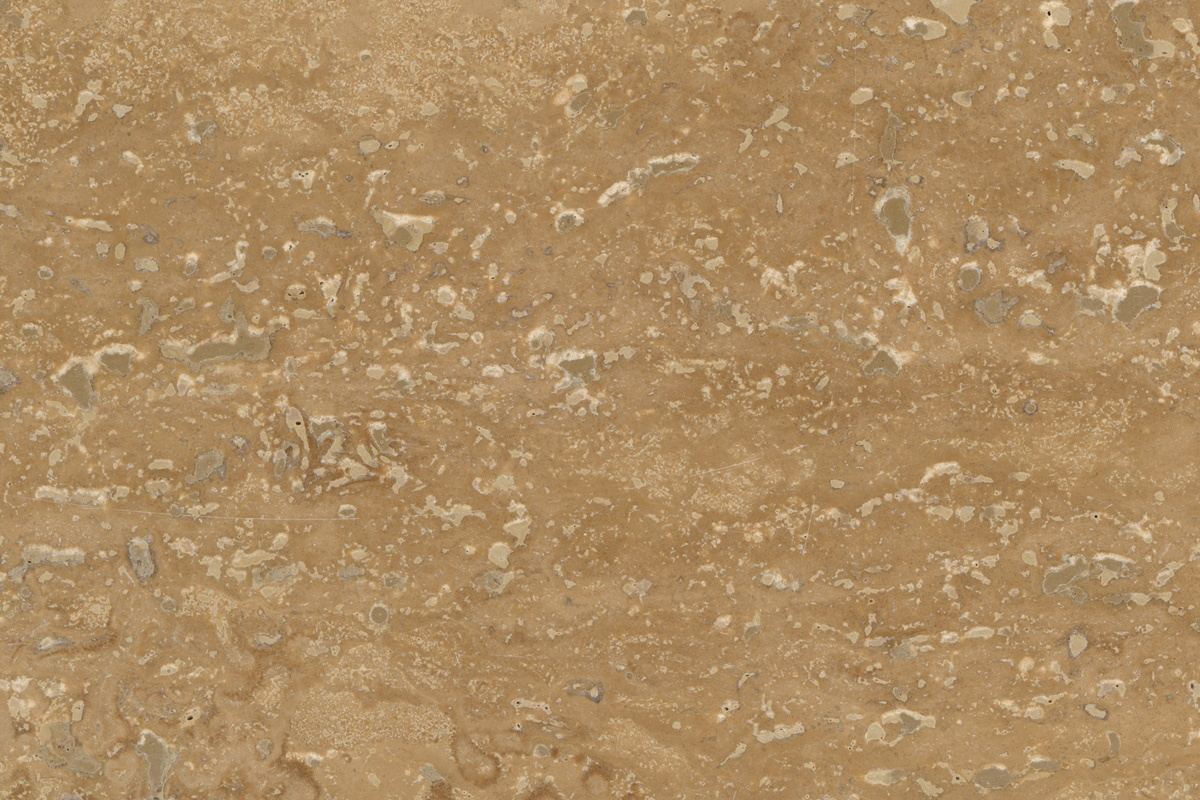
Travertino Noce
Travertines · Read the guide →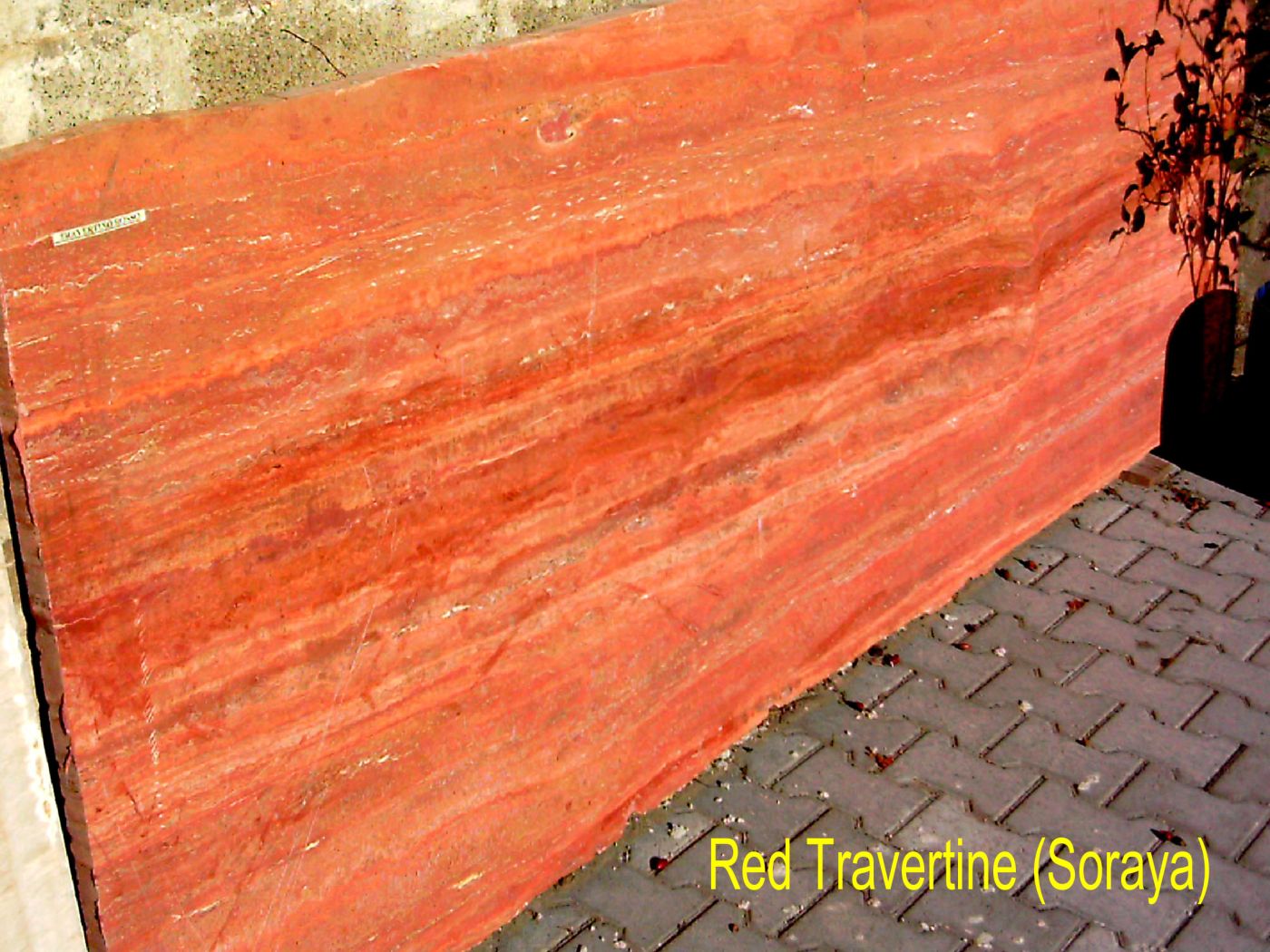
Travertino Rosso Soraya
Travertines · Read the guide →