Tyndall Stone: complete guide
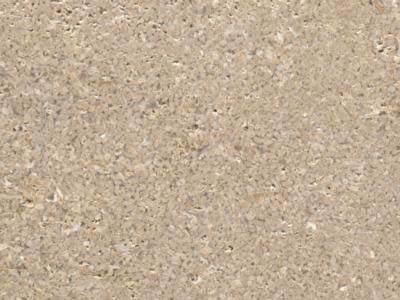
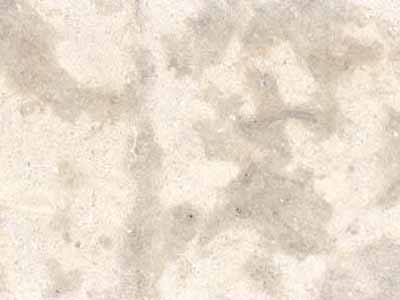
Tyndall Stone is a Canadian dolomitic limestone with a creamy beige background, marked by darker mottling with an almost tapestry-like appearance. It is chosen for its unmistakable pattern and its historical value in architecture.
History and origin
It is quarried in Manitoba, not far from Winnipeg, and takes its name from the nearby town of Tyndall. It is one of Canada's best-known building stones, used in numerous public and institutional buildings. Its pattern is due to fossil traces of marine organisms and variations in the composition of the rock. Marmi di Carrara supplies it on request.
Look and veining
The creamy beige or light grey background is dotted with irregular brown mottling, often with clearly visible fossils. The intensity of the markings varies from block to block. Honed, it shows the pattern well, while sandblasted or split it has a more homogeneous appearance suitable for façades.
Technical properties (indicative)
| Classification | fossiliferous dolomitic limestone |
|---|---|
| Density | approx. 2,400-2,600 kg/m³ (indicative) |
| Mohs hardness | approx. 3-4 |
| Water absorption | medium |
| Main use | façades, cladding, interior floors |
| Acid resistance | low to medium: should be protected from acids |
Recommended uses
It is used for façades, indoor and outdoor cladding, floors, fireplaces, window sills and architectural details. For kitchen worktops and work surfaces it is not suitable because of its sensitivity to acids and staining.
Care and maintenance
Clean with water and neutral detergents; a breathable impregnator helps prevent stains on interior surfaces. Outdoors, avoid overly aggressive pressure washers.
Pairings
- maple or birch
- bronze and burnished brass
- glass and steel in contemporary architecture
FAQ
What are the dark markings on Tyndall Stone?
They are traces left by ancient marine organisms, filled with more dolomite-rich material: they create the characteristic tapestry effect.
Is it suitable for façades in cold climates?
Yes, it is traditionally used on façades in a harsh continental climate; thicknesses and fixing should nevertheless be defined by the designer.
Can it be polished?
A good honed finish can be achieved, but the most common finish is matt, which brings out the fossil pattern without reflections.
How can I order it?
We supply it on request as an imported material: send us the dimensions and quantities to receive a quotation, indicative lead times and photos of the material.
Tyndall Stone: available on request
We supply this stone as blocks, slabs, tiles and custom-made pieces. Tell us size, thickness and quantity: we will send photos of the available slabs and a quote within 24 hours.
Similar materials
Pietra Di Brauvilliers
Stones and limestones · Read the guide →
Pietra Di Trani
Stones and limestones · Read the guide →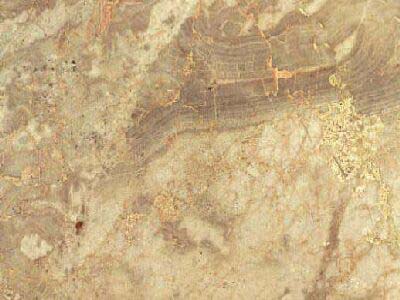
Karnezeika
Stones and limestones · Read the guide →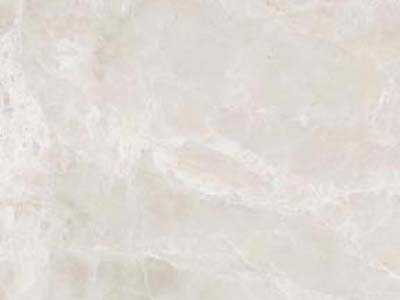
Levadia Beige
Stones and limestones · Read the guide →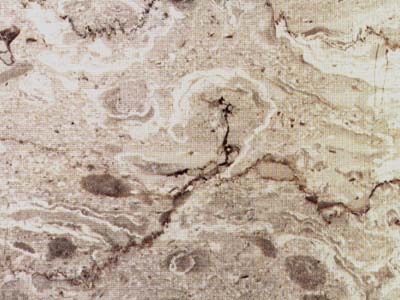
Pietra Di Trani Mezza Perla
Stones and limestones · Read the guide →
Caliza Zarci
Stones and limestones · Read the guide →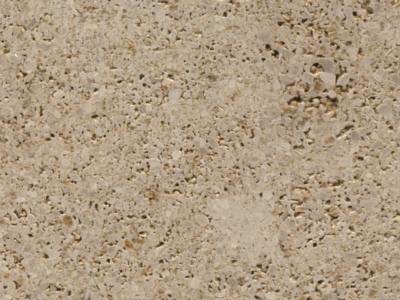
Pietra Di Montmoyen
Stones and limestones · Read the guide →