Alta Quartzite: complete guide
Alta Quartzite is a silver-grey Norwegian quartzite that splits naturally into thin slabs along its cleavage planes. It is chosen for very hard-wearing outdoor paving and cladding with a natural Nordic character.
History and origin
The quartzite takes its name from the Alta area, in northern Norway, where it has been quarried and worked for a long time. Thanks to its schistose structure it splits into flat slabs with a natural surface, traditionally also used for roofing. It is a material widespread in Northern Europe for terraces, gardens, façades and floors. Marmi di Carrara supplies it on request.
Look and veining
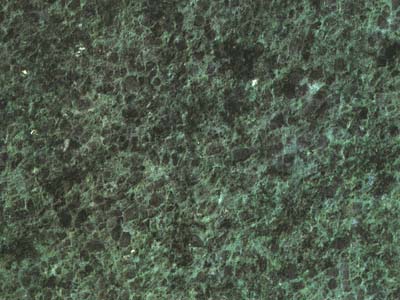
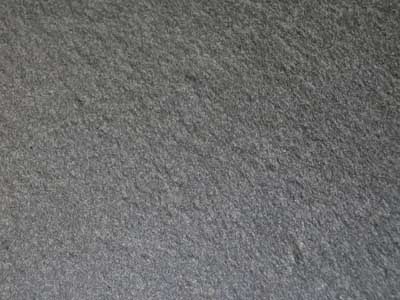
The background is silver grey with bright glints due to the mica on the cleavage planes. The natural split surface is slightly undulating and shows nuances between light grey and grey-green. It is supplied mainly with a natural cleft face, in regular slabs or crazy paving; on request also with sawn edges.
Technical properties (indicative)
| Classification | schistose quartzite |
|---|---|
| Density | approx. 2,650 kg/m³ (indicative) |
| Mohs hardness | approx. 7 |
| Water absorption | very low |
| Main use | outdoor and indoor |
| Acid resistance | high |
Recommended uses
Ideal for terraces, paths, pool surrounds, stairs, façade cladding and walls, as well as interior floors and showers thanks to its naturally non-slip surface. It withstands frost and harsh climates very well. It is not suitable for kitchen worktops, because the cleft face is not perfectly smooth.
Care and maintenance
It needs little maintenance: water and a neutral detergent, or brushing for outdoor areas. A water- and oil-repellent impregnator can be useful in outdoor dining areas to prevent grease stains.
Pairings
- treated larch or pine
- glass and steel for Nordic architecture
- lawn and evergreen plants
FAQ
Is it a quartzite or a slate?
It is a schistose quartzite: it splits into slabs like a slate, but being composed mainly of quartz it is much harder and more resistant to wear.
Is it slippery when wet?
The natural cleft face is rough and offers good grip, which is why it is widely used around swimming pools and in showers.
How is it laid?
It is laid with adhesive or mortar on a screed, in regular slabs or crazy paving; the variable thickness must be taken into account when preparing the substrate.
How do I order it?
Tell us the areas, formats (regular or crazy paving) and thickness: we will send you a quotation and photos of the material.
Quarzite Alta: available on request
We supply this stone as blocks, slabs, tiles and custom-made pieces. Tell us size, thickness and quantity: we will send photos of the available slabs and a quote within 24 hours.
Similar materials
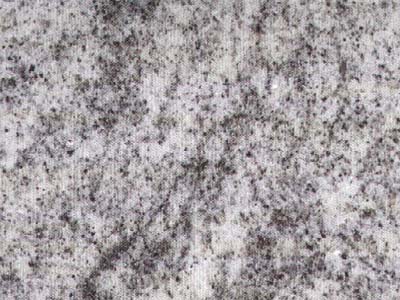
Quarzite Silver Cloud
Quartzites · Read the guide →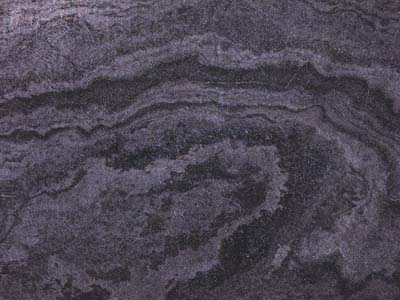
Quarzite Bjørnevann
Quartzites · Read the guide →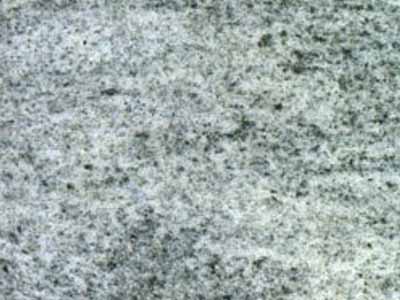
Quarzite Del Reno
Quartzites · Read the guide →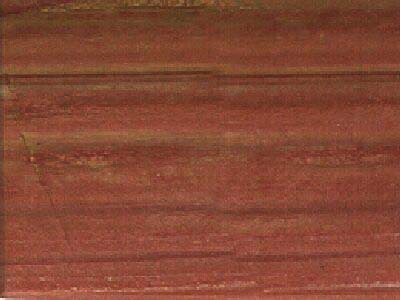
Quarzite Alvdal
Quartzites · Read the guide →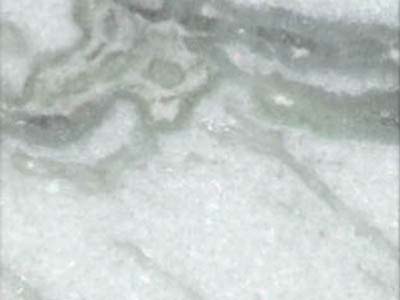
Quarzite Green Cloud
Quartzites · Read the guide →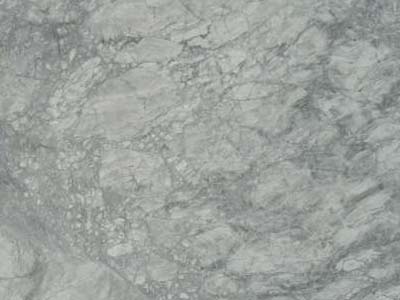
Quarzite Super White
Quartzites · Read the guide →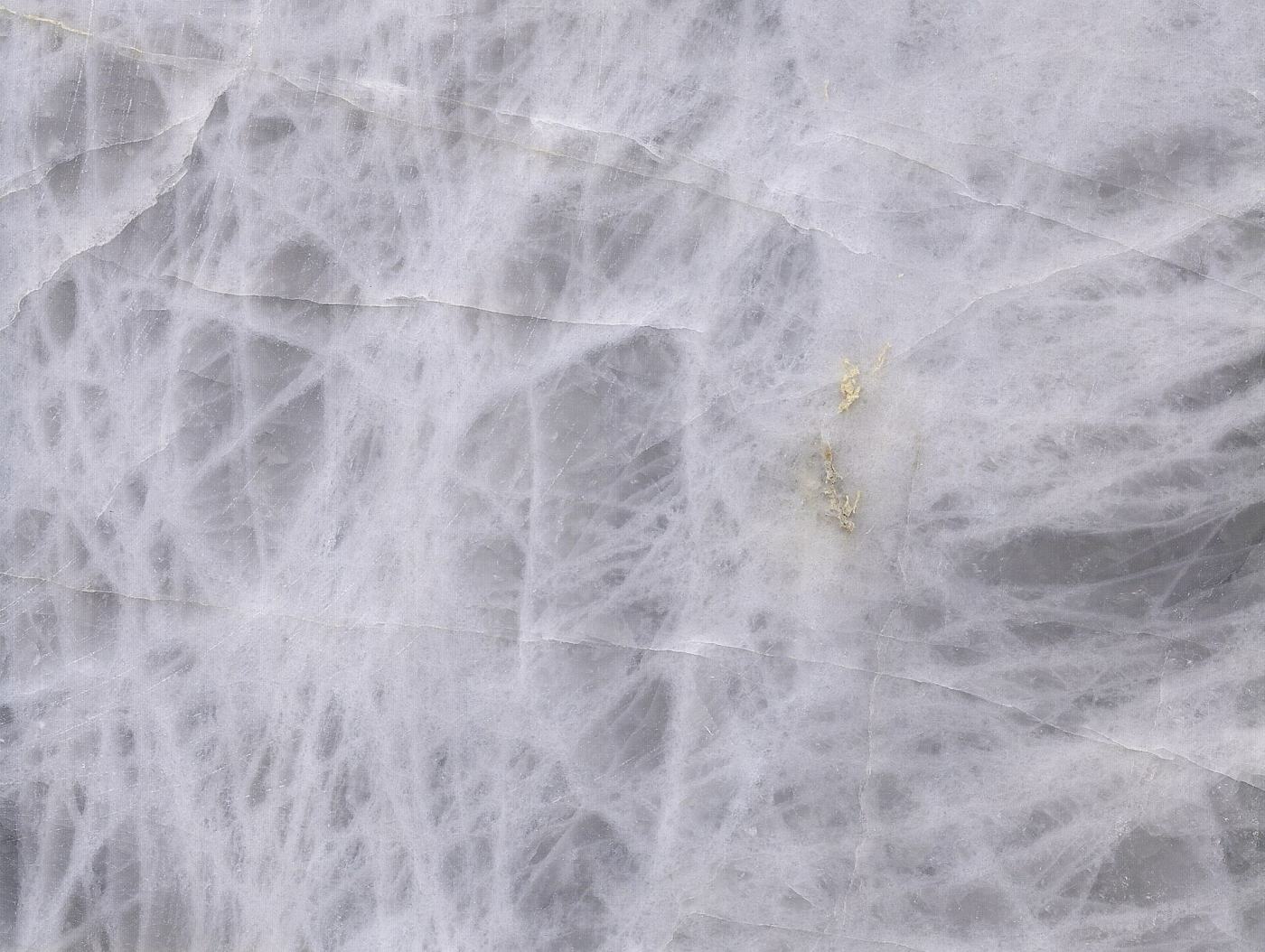
Quarzite Taj Mahal
Quartzites · Read the guide →