Trebgast Sandstone: the complete guide
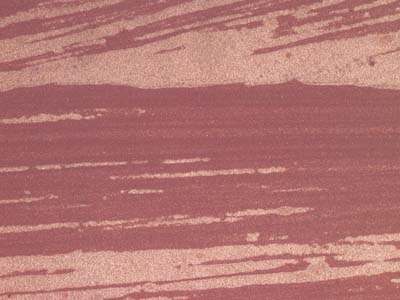
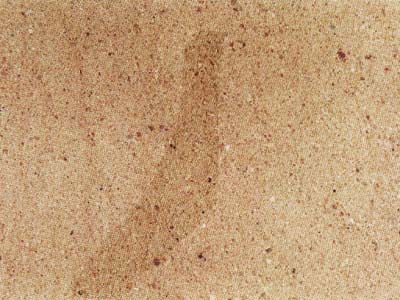
Trebgast Sandstone is a sedimentary stone from northern Bavaria, in warm red-brown tones. It is chosen for façades, restoration and architectural elements where the texture typical of sandstones is desired.
History and origin
Trebgast is in Upper Franconia, a region where sandstone has for centuries been the traditional building material for churches, houses, portals and walls. Sandstones form from the cementation of sand grains, and reddish tones are generally due to iron oxides. Today this stone is used mainly for restoration, cladding and bespoke work. Marmi di Carrara supplies it on request.
Look and veining
The background ranges from brick red to brown, with a sandy grain clearly perceptible to the touch and possible layering or lighter shadings. Differences between blocks can be considerable, so a selection should be planned at the supply stage. Typical finishes are honed, brushed, sandblasted or hand-chiselled, which bring out the rustic nature of the stone.
Technical properties (indicative)
| Classification | sandstone (sedimentary rock) |
|---|---|
| Bulk density | approx. 2,100-2,400 kg/m³ (indicative) |
| Mohs hardness | variable: hard quartz grains, softer cement |
| Water absorption | medium-high |
| Main use | masonry, cladding and exteriors |
| Acid resistance | variable depending on the type of cement |
Recommended uses
It is suitable for façades, cornices, windowsills, portals, walls, stairs and restoration work. It is not recommended for kitchen worktops or for floors subject to heavy wear or frequent stains.
Care and maintenance
Avoid high-pressure washers and aggressive detergents, which can erode the surface. A breathable water repellent reduces water absorption and the formation of moss and patinas, without preventing the stone from breathing.
Pairings
- solid oak
- roof tiles and exposed brickwork
- wrought iron and cream lime plaster
FAQ
Is sandstone frost-resistant?
It depends on the compactness of the lot: many building sandstones perform well, but their porosity makes them more sensitive than granites. For exposed outdoor uses it is advisable to check the technical data and protect the stone with a water repellent.
Can it be used for a floor?
Yes, in areas with moderate traffic or outdoors with textured finishes. Bear in mind that the surface tends to wear and stain more than a granite.
Is it suitable for restoration?
Yes, it is one of its main applications, especially in historic buildings built with similar sandstones. Colour and grain should be compared with the existing stone.
How do I order it?
Send us drawings or dimensions of the elements: we will prepare a quote for slabs, blocks or made-to-measure pieces, with photos or samples of the material.
Arenaria Trebgast: available on request
We supply this stone as blocks, slabs, tiles and custom-made pieces. Tell us size, thickness and quantity: we will send photos of the available slabs and a quote within 24 hours.
Similar materials
Arenaria Agra Red
Stones and limestones · Read the guide →
Arenaria Di Božanov
Stones and limestones · Read the guide →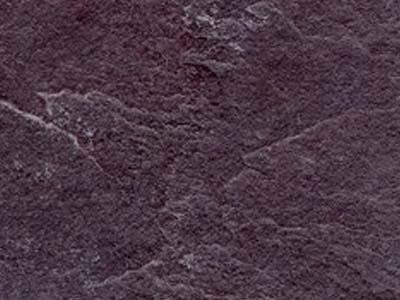
Ardesia Plum
Stones and limestones · Read the guide →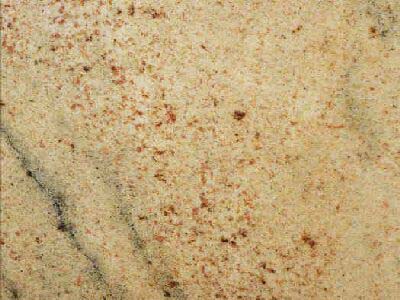
Arktinen Arkoosi
Stones and limestones · Read the guide →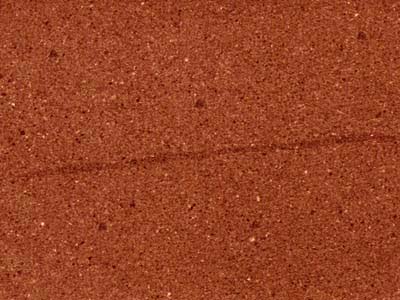
Arenaria Di Ebenheid
Stones and limestones · Read the guide →
Arenaria Bansi Pink
Stones and limestones · Read the guide →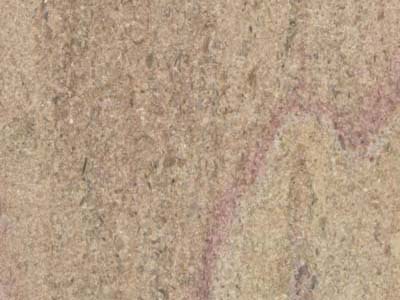
Pietra Di Chassagne
Stones and limestones · Read the guide →