History and origin
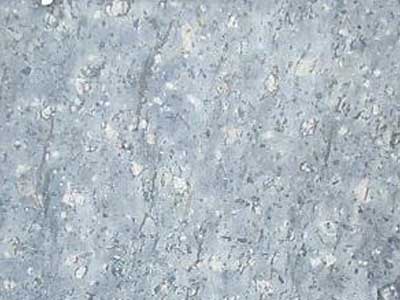
Basalt is an extrusive rock formed by the cooling of lava flows, and in Germany it has been used for centuries for road paving, kerbs and masonry. Selters Basalt takes its name from the German town of Selters, and central Germany has a long tradition of quarrying volcanic stones. Today it is also offered in slabs and fabricated pieces for contemporary construction. Marmi di Carrara supplies it on request.
Look and veining
The background is dark grey with a fine, very homogeneous grain, with possible small pores or barely visible tiny crystals. Differences between slabs are generally limited, which makes it suitable for large, continuous surfaces. Honing darkens and evens out the tone, while flaming, bush-hammering and brushing lighten it slightly and make it slip-resistant.
Technical properties (indicative)
| Classification | extrusive volcanic rock (basalt) |
|---|---|
| Bulk density | approx. 2,900-3,000 kg/m³ (indicative) |
| Mohs hardness | approx. 6 |
| Water absorption | very low |
| Main use | interiors and exteriors |
| Acid resistance | good |
Recommended uses
It is suitable for outdoor paving, stairs, thresholds, façade cladding, street furniture and kitchen worktops. Indoors it works well for high-traffic floors and bathrooms; the polished finish should be avoided only where grip is needed on wet surfaces.
Care and maintenance
A neutral detergent with water is enough: basalt is unaffected by household acids and frost. A stain-proofing treatment is useful above all on kitchen worktops with textured finishes, which retain oils and dirt more easily.
Pairings
- stainless steel and burnished iron
- natural or thermally modified oak
- white plaster and light exposed concrete
FAQ
What is the difference between basalt and granite?
Both are hard igneous rocks, but basalt forms from the rapid cooling of lava and has a very fine grain and uniform dark colour, while granite solidifies at depth and shows clearly visible crystals. In terms of durability and uses they behave similarly.
Can it be used outdoors in cold areas?
Yes, its low porosity makes it frost-resistant. For outdoor floors and stairs a flamed or bush-hammered finish is advisable, as it is safer in rain and ice.
Is it suitable as a kitchen worktop?
Yes, it withstands heat, scratches and acidic substances better than marbles and limestones. A honed or brushed finish with a stain-proofing treatment makes everyday cleaning easier.
How do I order it?
Selters Basalt is available on request: send us the dimensions, thicknesses and finish you want and we will prepare a quote, with photos or samples of the available material.
Basalto Selters: available on request
We supply this stone as blocks, slabs, tiles and custom-made pieces. Tell us size, thickness and quantity: we will send photos of the available slabs and a quote within 24 hours.
Similar materials

Granito Star Galaxy
Granites · Read the guide →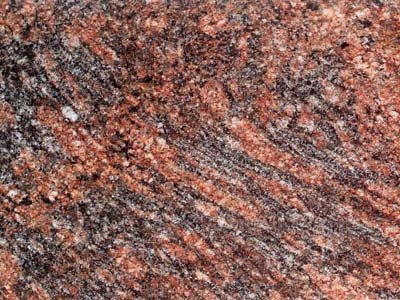
Granito Tiger Red
Granites · Read the guide →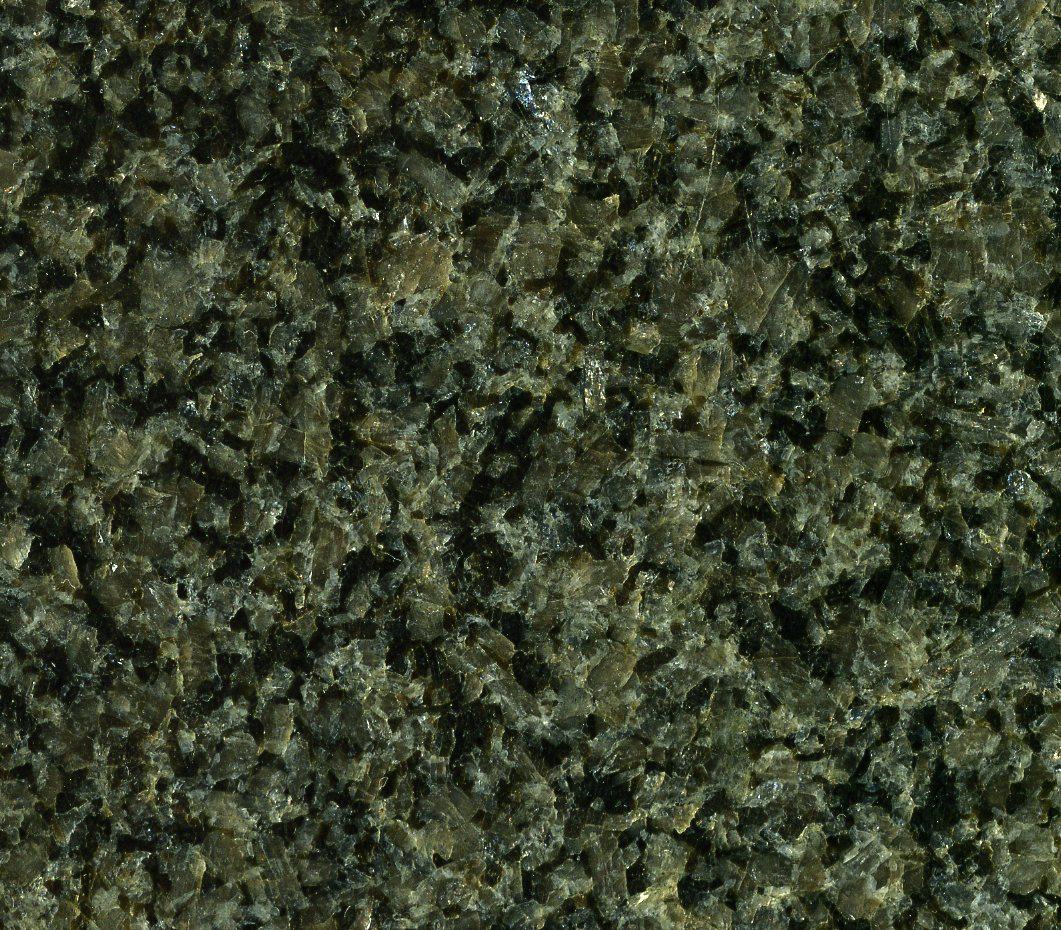
Granito Nero Impala
Granites · Read the guide →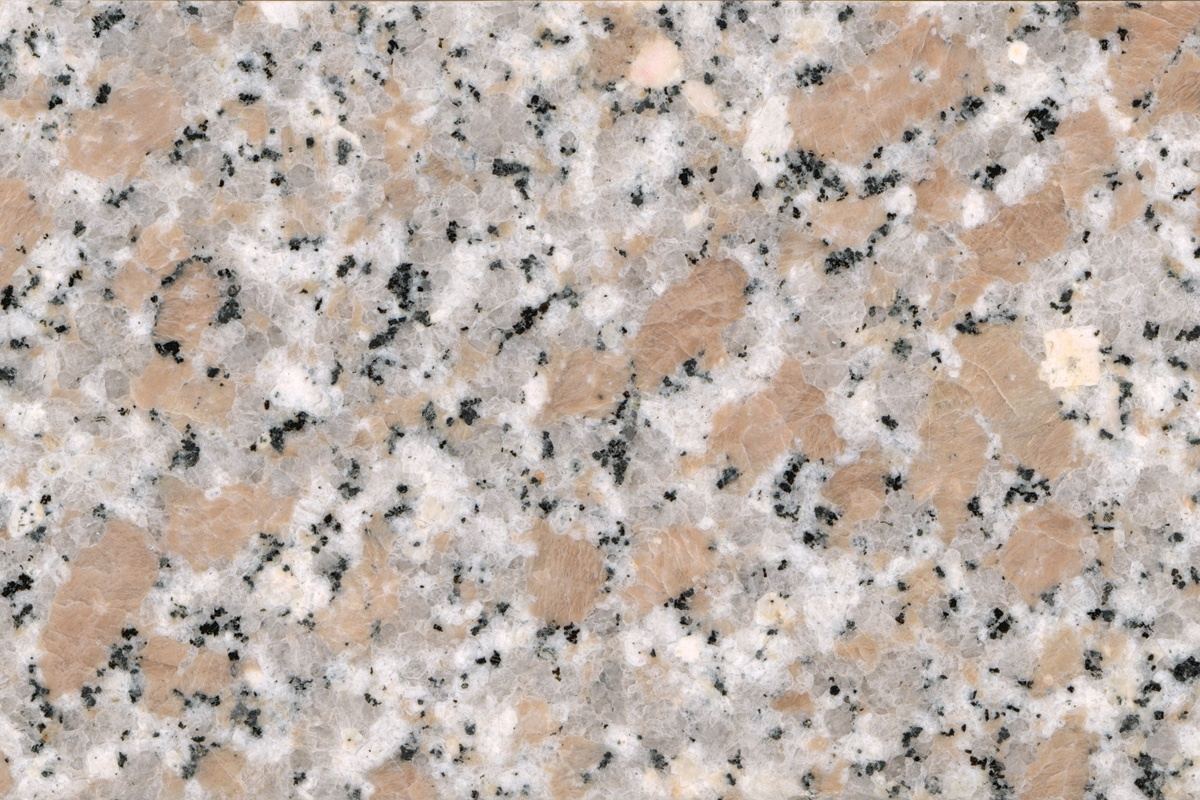
Granito Rosa Sardo (Ghiandone)
Granites · Read the guide →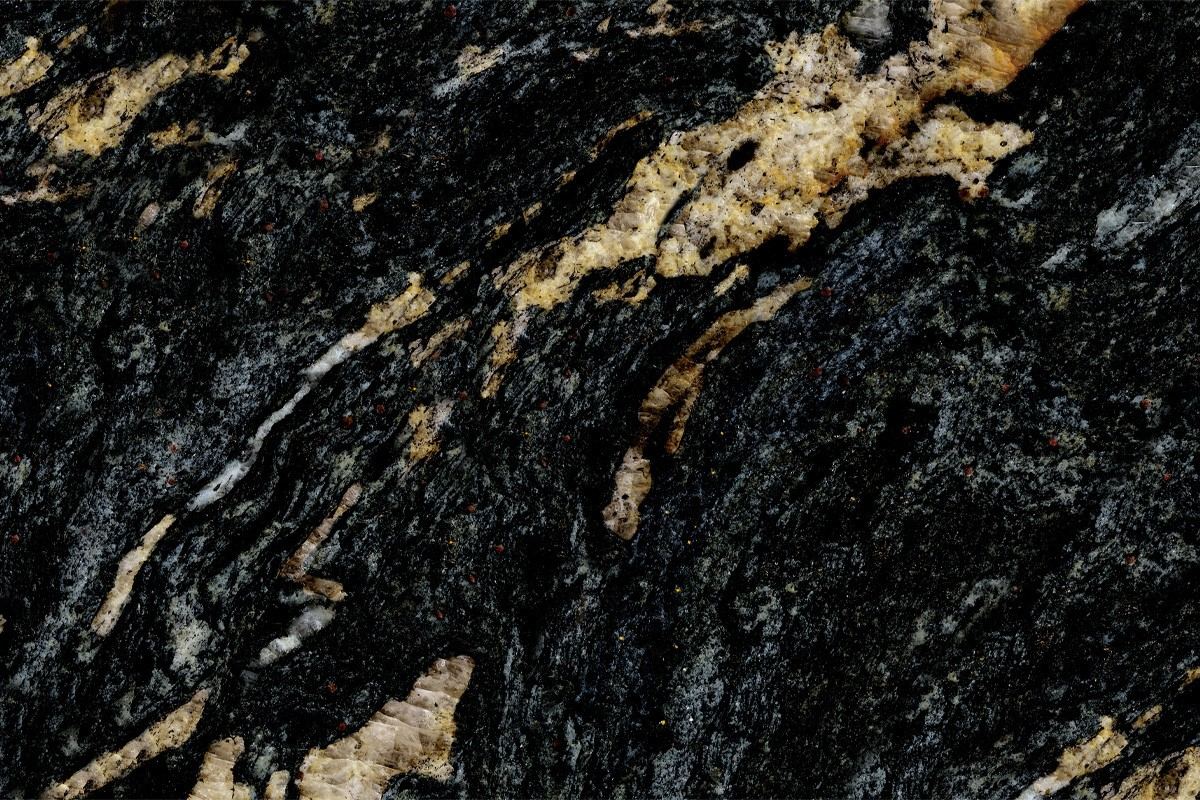
Granito Black Cosmic
Granites · Read the guide →
Granito Korpi Black
Granites · Read the guide →
Granito Blue In The Night
Granites · Read the guide →