Beola Ghiandonata: complete guide
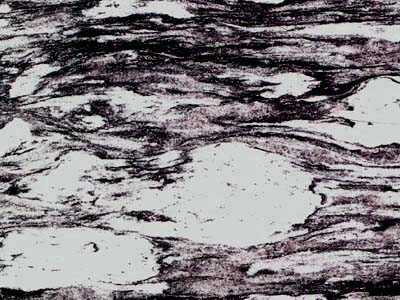
Beola Ghiandonata is a gneiss from the Ossola valley, grey and dotted with large light crystals known as 'ghiandoni'. It is chosen for its hardness and resistance to the weather, making it ideal for floors, stairs and outdoor areas.
History and origin
Beolas are gneisses quarried in the valleys of the Ossola, in Piedmont, and have been the typical stone of this Alpine area for centuries. Thanks to their schistose structure they split into slabs, used for floors, stairs, window sills and traditional roofing. The ghiandonata variety is recognisable by its characteristic feldspar eyes. Marmi di Carrara supplies it on request.
Look and veining
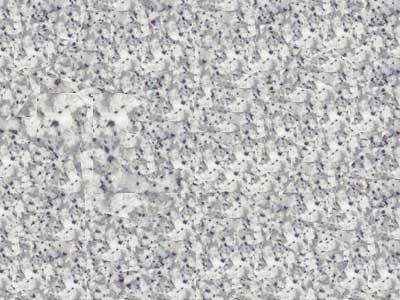
The background is grey, with dense flakes of dark and silvery mica and large light feldspar eyes arranged along the schistosity. The pattern is oriented and changes according to the cutting direction: cross-cut it looks mottled, vein-cut it shows bands. Honed and polished finishes enhance the contrast, while flamed and brushed ones offer a non-slip surface.
Technical properties (indicative)
| Classification | augen gneiss (metamorphic rock) |
|---|---|
| Density | approx. 2,650-2,750 kg/m³ (indicative) |
| Mohs hardness | approx. 6-7 |
| Water absorption | very low |
| Main use | indoor and outdoor |
| Acid resistance | good; also frost-resistant |
Recommended uses
It is suitable for indoor and outdoor floors, stairs, thresholds, window sills, façade cladding and kitchen worktops. It withstands heavy traffic and the Alpine climate well; only the laying needs care with regard to the direction of the schistosity.
Care and maintenance
Clean with water and neutral detergents; it resists many household substances. A stain-proofing protector is useful on kitchen worktops to limit oil absorption.
Pairings
- larch and spruce
- satin stainless steel
- white Alpine chalet plaster
FAQ
What is the difference between beola and granite?
Both are hard silicate rocks, but beola is a gneiss with an oriented, banded structure, while granite has a more uniform, random grain.
Is it suitable for a kitchen worktop?
Yes, its hardness and acid resistance make it suitable, especially honed or polished; a stain-proofing product helps with oils and grease.
Which finishes should I choose for outdoor use?
Flamed, brushed or natural split ensure grip on outdoor stairs and floors.
How do I order it?
On request: send us the dimensions, thicknesses and finish and we will send you a quotation and photos of the available slabs.
Beola Ghiandonata: available on request
We supply this stone as blocks, slabs, tiles and custom-made pieces. Tell us size, thickness and quantity: we will send photos of the available slabs and a quote within 24 hours.
Similar materials
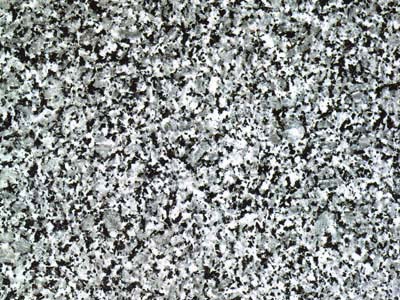
Granito Gris Zarza
Granites · Read the guide →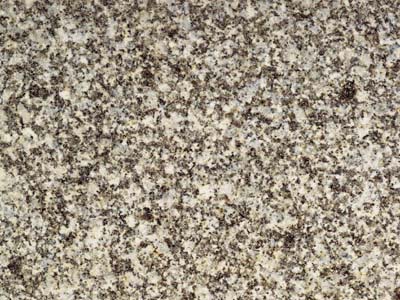
Granito Di Metten
Granites · Read the guide →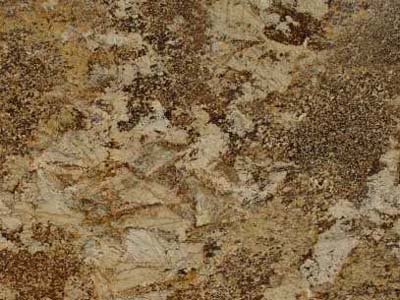
Granito Star Beach
Granites · Read the guide →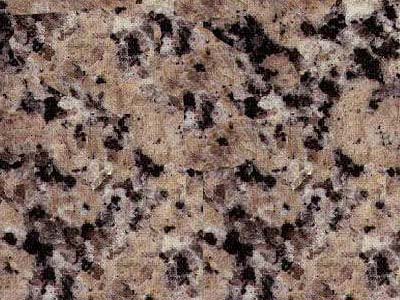
Granito Texas Pearl
Granites · Read the guide →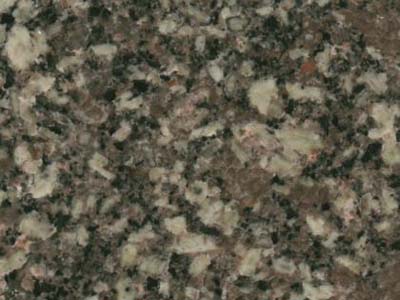
Granito Bouvacote
Granites · Read the guide →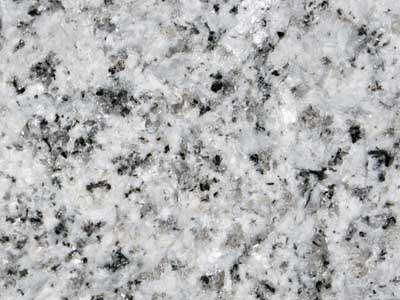
Granito Gris Plata
Granites · Read the guide →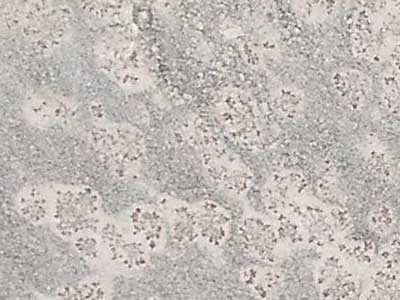
Granito Prata Ornamental
Granites · Read the guide →