Naxos Marble: complete guide
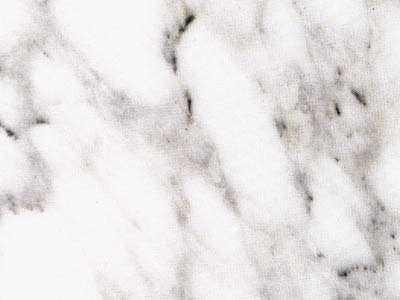
Naxos Marble is a coarse-grained Greek white marble, with clearly visible crystals that sparkle in the light. It is a stone of great historical value, chosen for bright interiors with a Mediterranean feel.
History and origin
It comes from the island of Naxos, the largest of the Cyclades, where marble has been quarried since antiquity. Naxian marble was used in the sculpture and architecture of Archaic Greece and is still a highly valued material today. Its crystalline structure sets it apart from fine-grained white marbles. Marmi di Carrara supplies it on request.
Look and veining
The background is white, sometimes with faint grey or bluish hues, and the coarse grain makes the individual calcite crystals evident. Faint grey veins or bands may appear, varying between batches. Polished, it shows sparkling reflections; honed or brushed, it has a more textured look.
Technical properties (indicative)
| Classification | coarse-grained calcitic marble |
|---|---|
| Bulk density | approx. 2,700 kg/m³ (indicative) |
| Mohs hardness | approx. 3 |
| Water absorption | low |
| Main use | interiors, also exteriors with appropriate finishes |
| Acid resistance | low: sensitive to acids and limescale removers |
Recommended uses
Suitable for floors, cladding, bathrooms, stairs and furnishings; outdoors it is used with non-polished finishes. As a kitchen worktop it requires the usual care needed for calcitic marbles.
Care and maintenance
Clean with water and a neutral detergent. The coarse grain can make micro-scratches more visible on a polished surface: in high-traffic areas a honed finish with a periodic protective treatment is advisable.
Pairings
- white plaster and bleached wood
- blue and aqua green ceramics
- brass and natural fibres for a Mediterranean feel
FAQ
What does coarse-grained mean?
It means that the calcite crystals are large and visible to the naked eye, with a sparkling effect. Compared with fine-grained marbles it looks less smooth and compact, but brighter and more textured.
Is it suitable for outdoor use?
Yes, with honed, brushed or sandblasted finishes it is also used outdoors, for paving and cladding. A polished finish tends to dull in the open air.
What is the difference from white Carrara marbles?
Many white Apuan marbles have a finer grain and a more compact surface, while Naxos is recognisable by its large crystals. The choice depends on the effect: smoother and more uniform, or more textured and sparkling.
How do I order it?
Write to us stating the dimensions, formats and finish: we will prepare a quote on request with photos of the available slabs.
Marmo Di Naxos: available on request
We supply this stone as blocks, slabs, tiles and custom-made pieces. Tell us size, thickness and quantity: we will send photos of the available slabs and a quote within 24 hours.
Similar materials
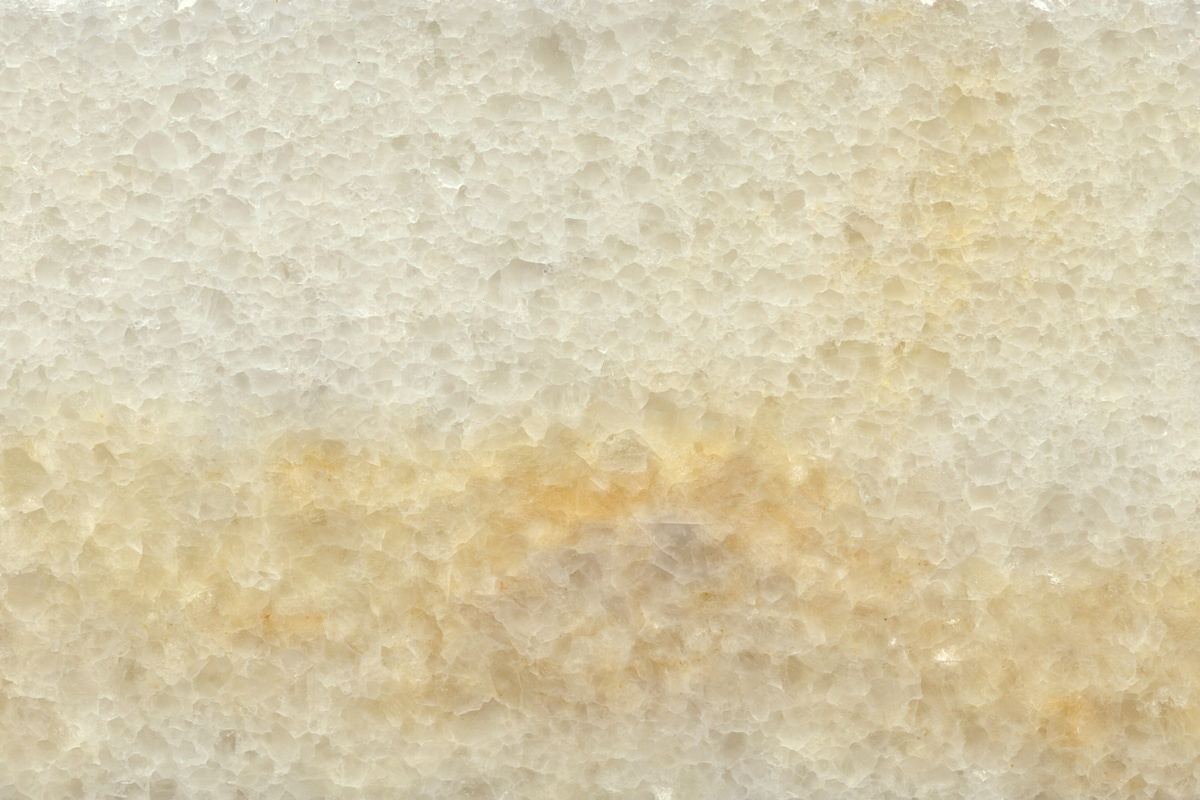
Afyon Gold
Marbles · Read the guide →
Striato Olimpico
Marbles · Read the guide →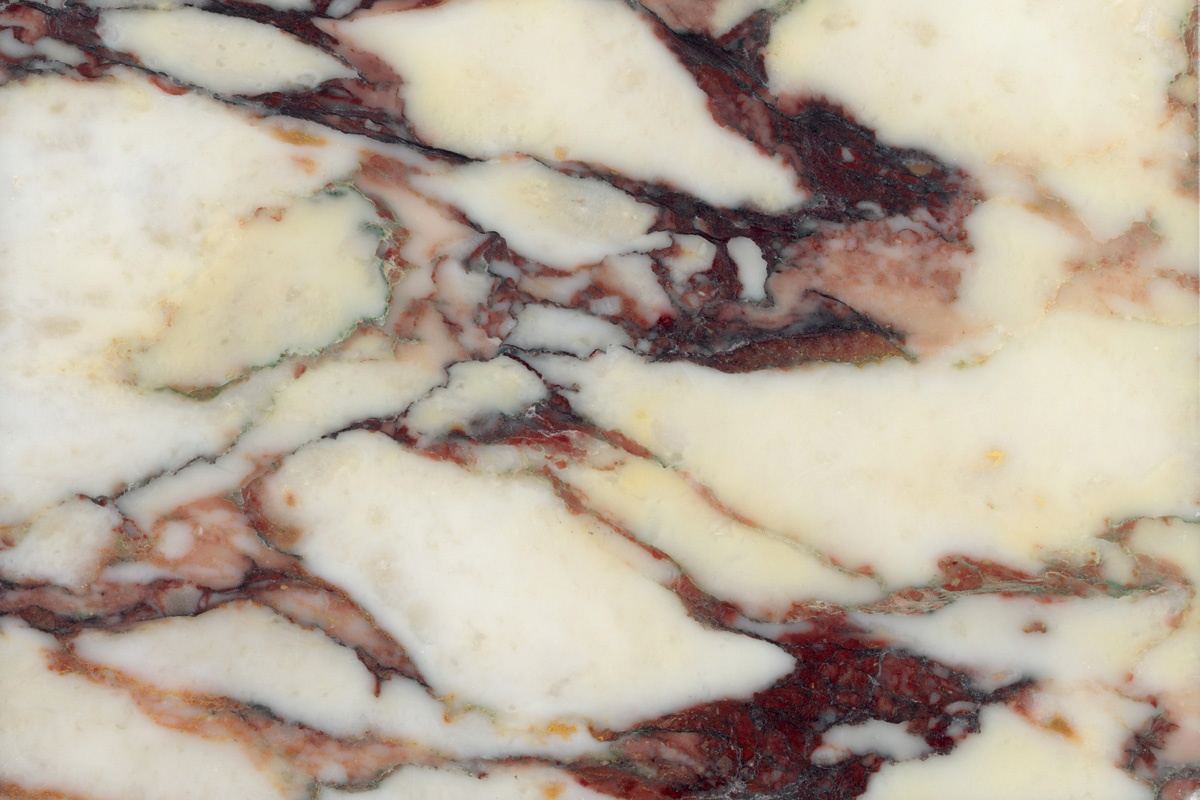
Calacatta Viola
Marbles · Read the guide →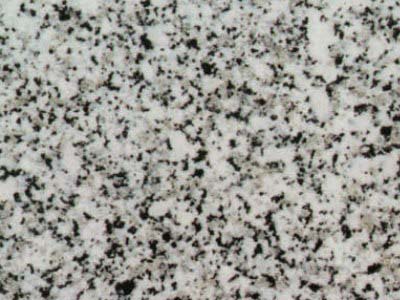
White Safaga
Marbles · Read the guide →
Marmo Dionysos
Marbles · Read the guide →
Ege Bordo
Marbles · Read the guide →
Calacatta Crema
Marbles · Read the guide →