
Dietenhan Sandstone: complete guide
Dietenhan Sandstone is a red sandstone from the Main valley, with a fine grain and uniform colour. It is chosen for façades, artistic work and restoration projects where a warm, easily worked stone is needed.
History and origin
It belongs to the large family of red sandstones quarried along the Main, in south-central Germany, a material that has characterised the architecture of this area for centuries. It is traditionally used for masonry, portals, flights of steps and decoration. Its workability also makes it popular with stonemasons and sculptors. Marmi di Carrara supplies it on request.
Look and veining
It shows a warm, fairly regular red, with a fine grain that allows crisp detail in carving. Some slabs show slightly lighter veins or bands and small dark specks. A brushed surface looks velvety, while bush-hammering or tooling lightens the tone a little.
Technical properties (indicative)
| Classification | red sandstone (sedimentary rock) |
|---|---|
| Density | approx. 2,100-2,300 kg/m³ (indicative) |
| Mohs hardness | quartz grains ~7; medium overall strength |
| Water absorption | medium |
| Main use | outdoor and indoor |
| Acid resistance | fair |
Recommended uses
It is suitable for cladding, window sills, cornices, balustrades, outdoor steps and sculptural elements. It can be used for outdoor floors with moderate traffic; it is not suitable for kitchen worktops or work surfaces prone to staining.
Care and maintenance
Avoid aggressive detergents and high-pressure jets. Brush and wash with water; a breathable water-repellent protector is useful on horizontal surfaces exposed to rain.
Pairings
- black wrought iron
- chestnut wood
- light limestone as a contrast
FAQ
How does it differ from other red sandstones of the Main?
The differences mainly concern shade, grain and the presence of veins; for matching with existing stone it is always best to compare a sample.
Does it lend itself to sculpture?
Yes, its fine grain and homogeneous consistency make it suitable for carvings, friezes and sculptures.
Which finishes are recommended for outdoor use?
For floors and steps, rough finishes such as bush-hammered, sandblasted or split are used, as they improve grip.
How do I order it?
On request: send us drawings or dimensions and we will prepare a quotation with photos of the available blocks or slabs.
Arenaria Di Dietenhan: available on request
We supply this stone as blocks, slabs, tiles and custom-made pieces. Tell us size, thickness and quantity: we will send photos of the available slabs and a quote within 24 hours.
Similar materials
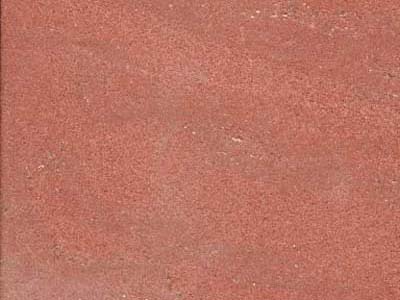
Cantera Roja
Stones and limestones · Read the guide →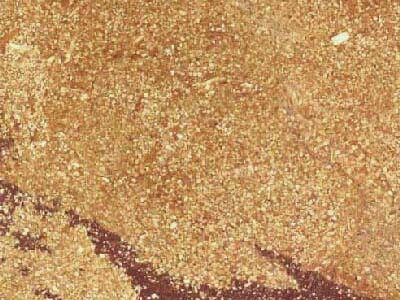
Pietra Di Buxy
Stones and limestones · Read the guide →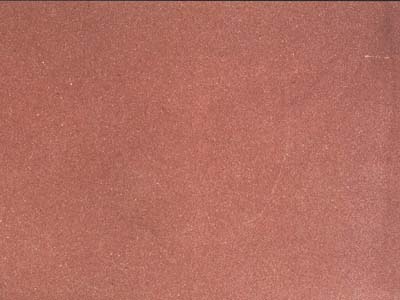
Arenaria Di Wüstenzell
Stones and limestones · Read the guide →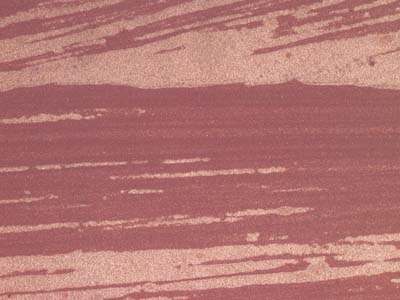
Arenaria Di Miltenberg
Stones and limestones · Read the guide →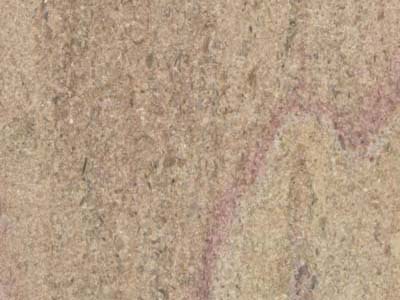
Pietra Di Chassagne
Stones and limestones · Read the guide →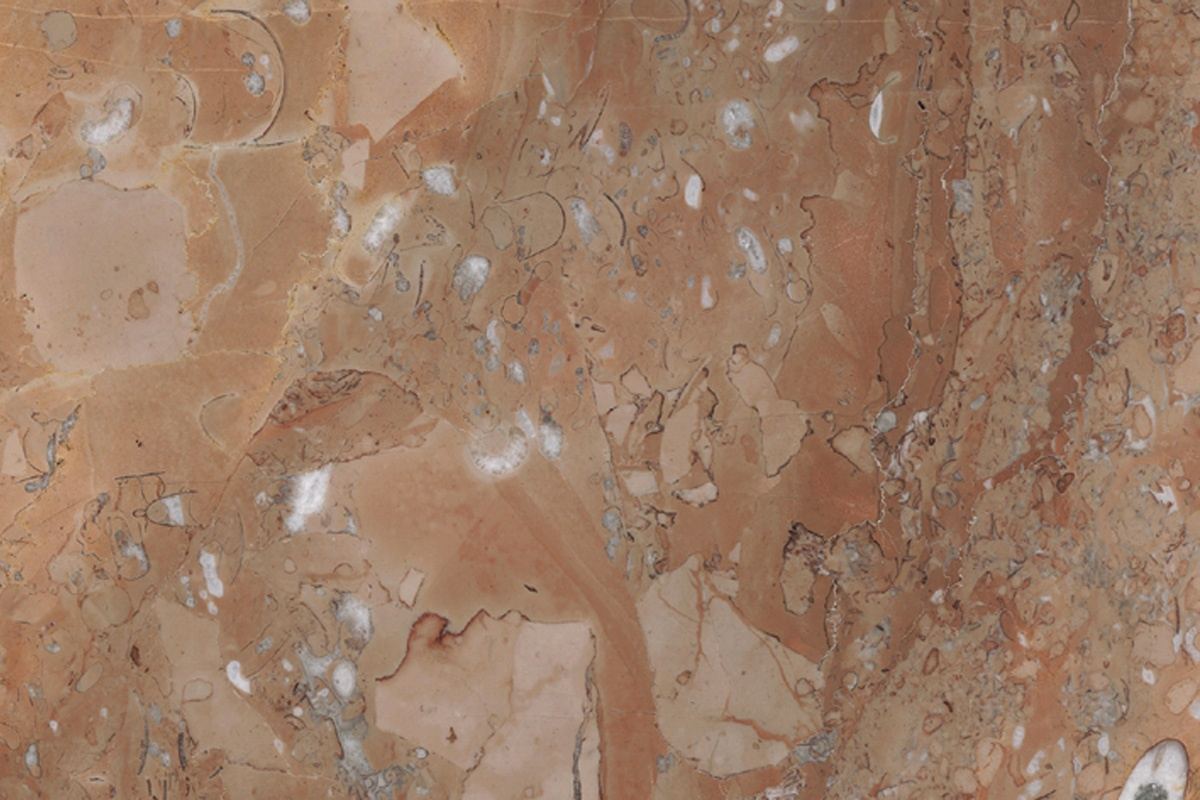
Noisette Fleury
Stones and limestones · Read the guide →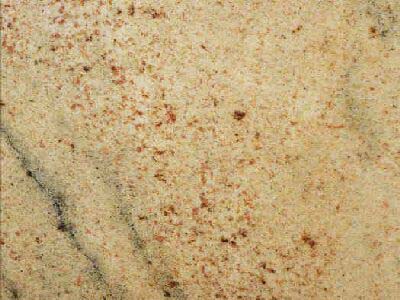
Arktinen Arkoosi
Stones and limestones · Read the guide →