Wüstenzell Sandstone: complete guide
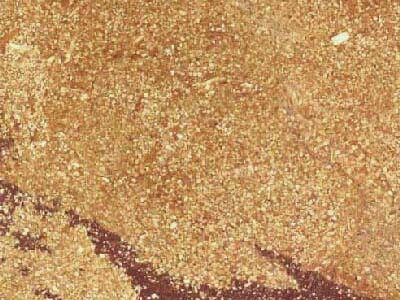
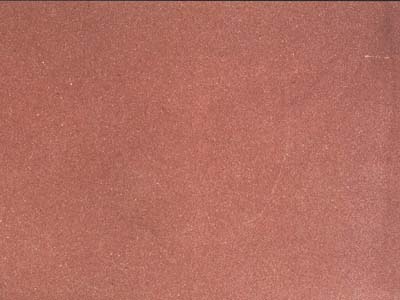
Wüstenzell Sandstone is a red sandstone from Franconia, belonging to the group of Main sandstones. It is chosen for its warm colour and ease of working, ideal for façades, cornices and carved elements.
History and origin
It is quarried in Lower Franconia, in the Würzburg area, where red sandstones have been the traditional building material for centuries. Churches, palaces and rural buildings in the region show how closely this stone is bound up with the Main landscape. Today it is used both in restoration and in new projects looking for a stone with a bold colour. Marmi di Carrara supplies it on request.
Look and veining
The background is brick red, of varying intensity, with a fine, homogeneous grain. Thin lighter layers or small dark spots, typical of red sandstones, may appear. Honed or brushed, it shows a full, matt colour; chiselled or bush-hammered, it takes on an artisan look reminiscent of historic architecture.
Technical properties (indicative)
| Classification | red sandstone (sedimentary rock) |
|---|---|
| Density | approx. 2,100-2,300 kg/m³ (indicative) |
| Mohs hardness | quartz grains ~7; softer binder |
| Water absorption | medium |
| Main use | outdoor and indoor |
| Acid resistance | fair |
Recommended uses
It works well for façade cladding, window surrounds, thresholds, walls, columns and carved elements, as well as lightly used outdoor floors. It is not recommended for kitchen worktops or surfaces exposed to food stains, because of its porosity.
Care and maintenance
Clean with water and soft brushes, without high-pressure washers, which can erode the surface. A breathable water repellent helps reduce absorption and algae growth in shaded areas.
Pairings
- white lime plaster
- dark wood window frames
- clay roof tiles and brickwork
FAQ
Is it suitable for restoring historic buildings?
Yes, the red sandstones of the Main are often used for replacements and repairs; the batch should be chosen by comparing colour and grain with the existing stone.
Can it be used as flooring?
Outdoors it is suitable for paths and terraces with moderate traffic, with a rough finish. For very busy areas a more compact sandstone or a granite is preferable.
Does the red colour change over time?
Outdoors the surface tends to darken slightly due to dirt and natural patina; periodic cleaning maintains the original tone.
How do I order it?
On request: tell us the type of element, dimensions and processing, and we will send you a quotation and photos of the material.
Arenaria Di Wüstenzell: available on request
We supply this stone as blocks, slabs, tiles and custom-made pieces. Tell us size, thickness and quantity: we will send photos of the available slabs and a quote within 24 hours.
Similar materials
Arenaria Agra Red
Stones and limestones · Read the guide →
Arenaria Trebgast
Stones and limestones · Read the guide →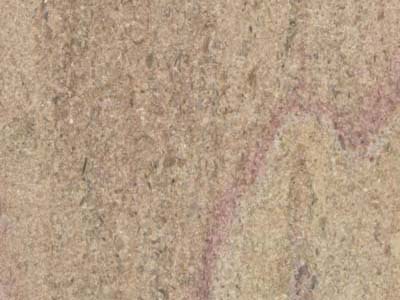
Pietra Di Chassagne
Stones and limestones · Read the guide →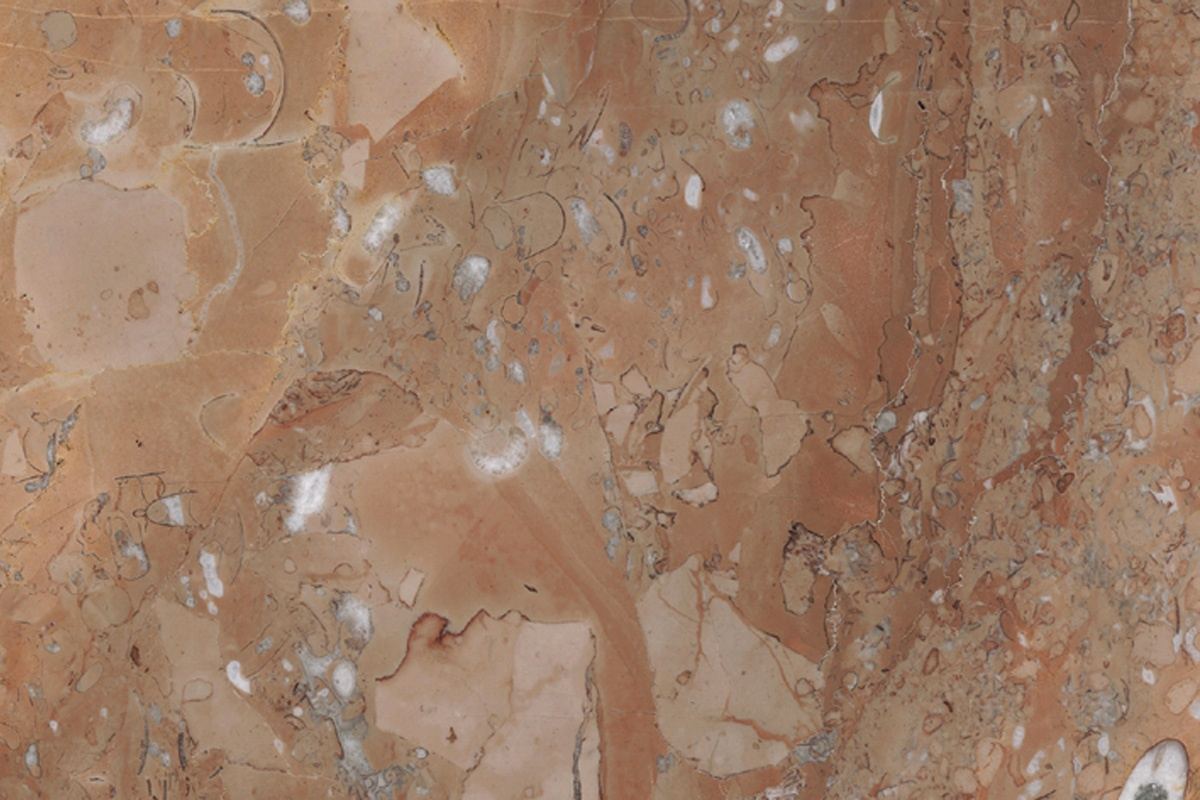
Noisette Fleury
Stones and limestones · Read the guide →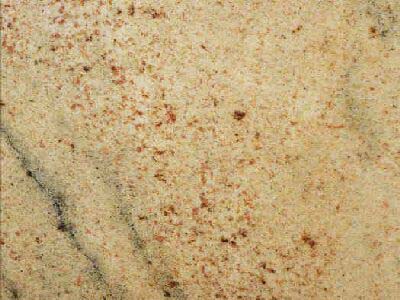
Arktinen Arkoosi
Stones and limestones · Read the guide →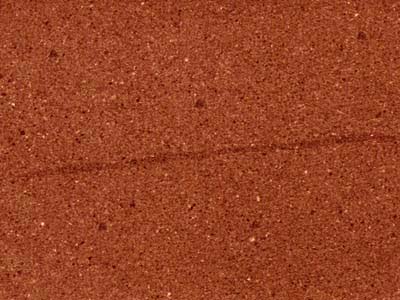
Arenaria Di Ebenheid
Stones and limestones · Read the guide →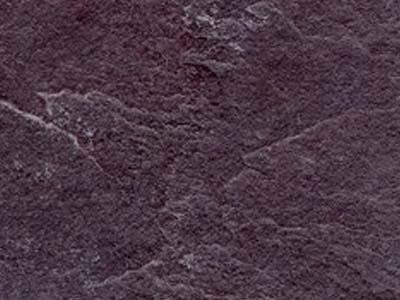
Ardesia Plum
Stones and limestones · Read the guide →