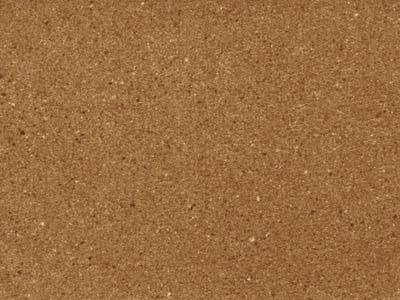
Jerusalem Stone: complete guide
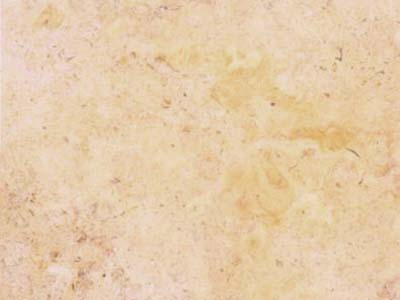
Jerusalem Stone is a limestone, sometimes dolomitic, with a warm golden-beige colour. It is chosen for the light it reflects and its link with one of the oldest building traditions in the Mediterranean.
History and origin
This name refers to several limestones and dolomites quarried in the hills around Jerusalem, used for millennia in the city's architecture. Even today, local building regulations require façades to be clad in stone, which gives Jerusalem its typical golden colour. On the international market it is offered in numerous varieties and finishes. Marmi di Carrara supplies it on request.
Look and veining
The background ranges from cream to golden beige, with slight mottling, pinkish veins or small inclusions depending on the variety. Differences between slabs and between varieties are significant and should be chosen with care. Split, bush-hammered or antiqued finishes bring out the character of the stone, while honed makes it more refined.
Technical properties (indicative)
| Classification | limestone / dolomite (trade name covering several varieties) |
|---|---|
| Density | approx. 2,300-2,600 kg/m³ (indicative, depending on the variety) |
| Mohs hardness | approx. 3-4 |
| Water absorption | low to medium, depending on the variety |
| Main use | façades, floors, cladding |
| Acid resistance | low to medium: the dolomitic varieties are somewhat more resistant |
Recommended uses
It is ideal for façades, boundary walls, outdoor paving, stairs, interior cladding and floors. In the more compact varieties it is also suitable for bathrooms; for kitchen worktops it is not recommended because of its sensitivity to acids.
Care and maintenance
Clean with water and neutral detergents; outdoors, a breathable water repellent reduces stains and films. Avoid acids, which corrode the surface and alter its colour.
Pairings
- cedar or olive wood
- wrought iron and dark metal lanterns
- terracotta-coloured fabrics and ceramics
FAQ
Does Jerusalem Stone refer to a single material?
No, it is a trade name covering various limestone and dolomitic stones from the same area, with different colours and hardnesses. For each project we recommend the most suitable variety.
Can it be used outdoors?
Yes, it is traditionally a façade and outdoor paving stone; for climates with frost, the more compact varieties are chosen.
Which finishes are the most typical?
As well as honed, antiqued, bush-hammered, sandblasted and split finishes are very common, recalling historic architecture.
How can I order it?
Contact us stating the variety, finish and quantity: we will send you a quotation on request and photos of the available slabs or samples.
Pietra Di Gerusalemme: available on request
We supply this stone as blocks, slabs, tiles and custom-made pieces. Tell us size, thickness and quantity: we will send photos of the available slabs and a quote within 24 hours.
Similar materials
Pietra Di Cadeby
Stones and limestones · Read the guide →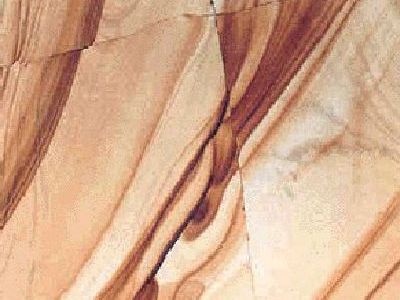
Arenaria Teak
Stones and limestones · Read the guide →
Arenaria Di Burgpreppach
Stones and limestones · Read the guide →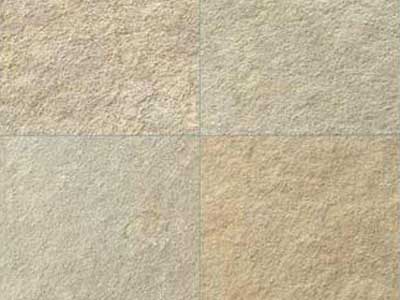
Tandur Yellow
Stones and limestones · Read the guide →
Pietra Di Solnhofen
Stones and limestones · Read the guide →
Pietra Di Züschen
Stones and limestones · Read the guide →
Pietra Leccese
Stones and limestones · Read the guide →