 Foto: James St. John · CC BY 2.0 · Wikimedia Commons
Solnhofen Stone: complete guide
Solnhofen stone is a very fine-grained Bavarian limestone that splits naturally into thin slabs along its bedding planes. It is chosen for floors with traditional charm and for its warm, natural tone.
History and origin
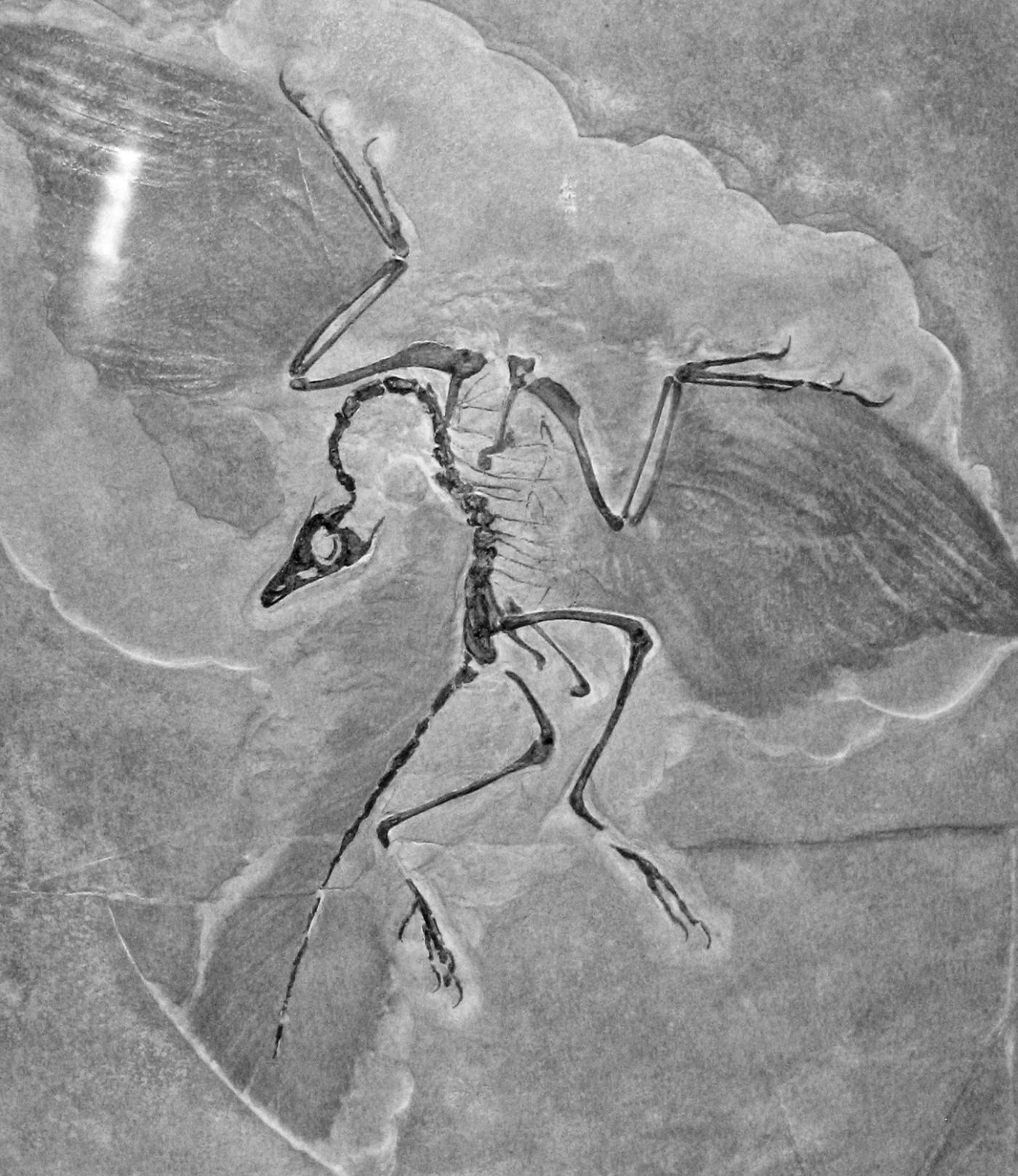
It comes from the Solnhofen area in Bavaria, world-famous for its exceptionally preserved fossils, including Archaeopteryx. Its very fine grain made it the lithographic stone par excellence in the 19th century. For centuries it has also been used for floors and cladding, often in natural-cleft slabs. Marmi di Carrara supplies it on request.
Look and veining
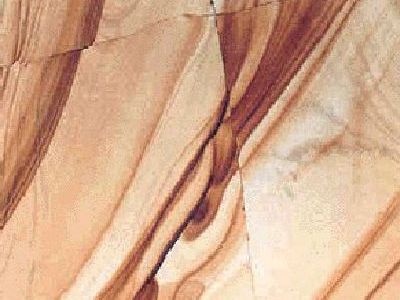
The background is straw yellow or cream, sometimes with grey or pinkish tones and dark dendrites resembling tiny plants. The natural-cleft surface shows slight undulations, while honed slabs are smooth and uniform. The variation in tone from one slab to another contributes to the rustic character of the installation.
Technical properties (indicative)
| Classification | very fine-grained lithographic limestone |
|---|---|
| Density | approx. 2,550-2,600 kg/m³ (indicative) |
| Mohs hardness | approx. 3-4 |
| Water absorption | low |
| Main use | interiors |
| Acid resistance | low: sensitive to lemon, vinegar and limescale removers |
Recommended uses
It is ideal for interior floors, whether crazy paving or rectangular slabs, stairs, window sills and cladding. It is well suited to floors in historic and rustic houses. It is not recommended for kitchen worktops, and outdoors it must be assessed carefully because thin slabs are sensitive to frost.
Care and maintenance
Treat with a stain-proofing impregnator, possibly followed by stone waxes in traditional installations. Clean with neutral soaps. Avoid acidic products and limescale removers.
Pairings
- reclaimed timber beams and furniture
- wrought iron and handmade ceramics
- white or sand-coloured limewashed walls
FAQ
Why is it also called lithographic stone?
Because of its very fine, even grain, in the 19th century it was the ideal stone for lithographic printing.
What are natural-cleft slabs?
They are slabs obtained by splitting the stone along its natural bedding planes: they have a slightly irregular surface and variable thicknesses.
Can it be used in the bathroom?
Yes for floors and cladding, with a good protective treatment and cleaning with neutral products.
How do I order it?
Contact us stating area, format (natural-cleft or calibrated) and finish: we will send you a quote and photos of the material.
Pietra Di Solnhofen: available on request
We supply this stone as blocks, slabs, tiles and custom-made pieces. Tell us size, thickness and quantity: we will send photos of the available slabs and a quote within 24 hours.
Similar materials
Jaisalmer Yellow
Stones and limestones · Read the guide →
Arenaria Di Udelfangen
Stones and limestones · Read the guide →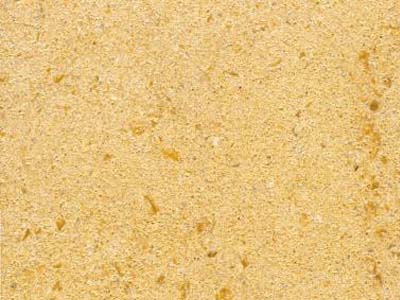
Pietra Di Jaumont
Stones and limestones · Read the guide →
Pietra Di Cadeby
Stones and limestones · Read the guide →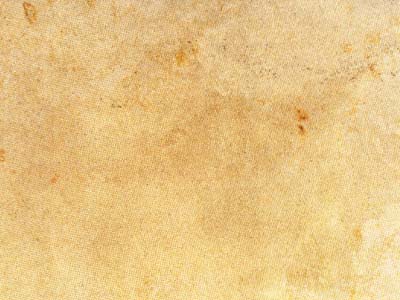
Arenaria Di Burgpreppach
Stones and limestones · Read the guide →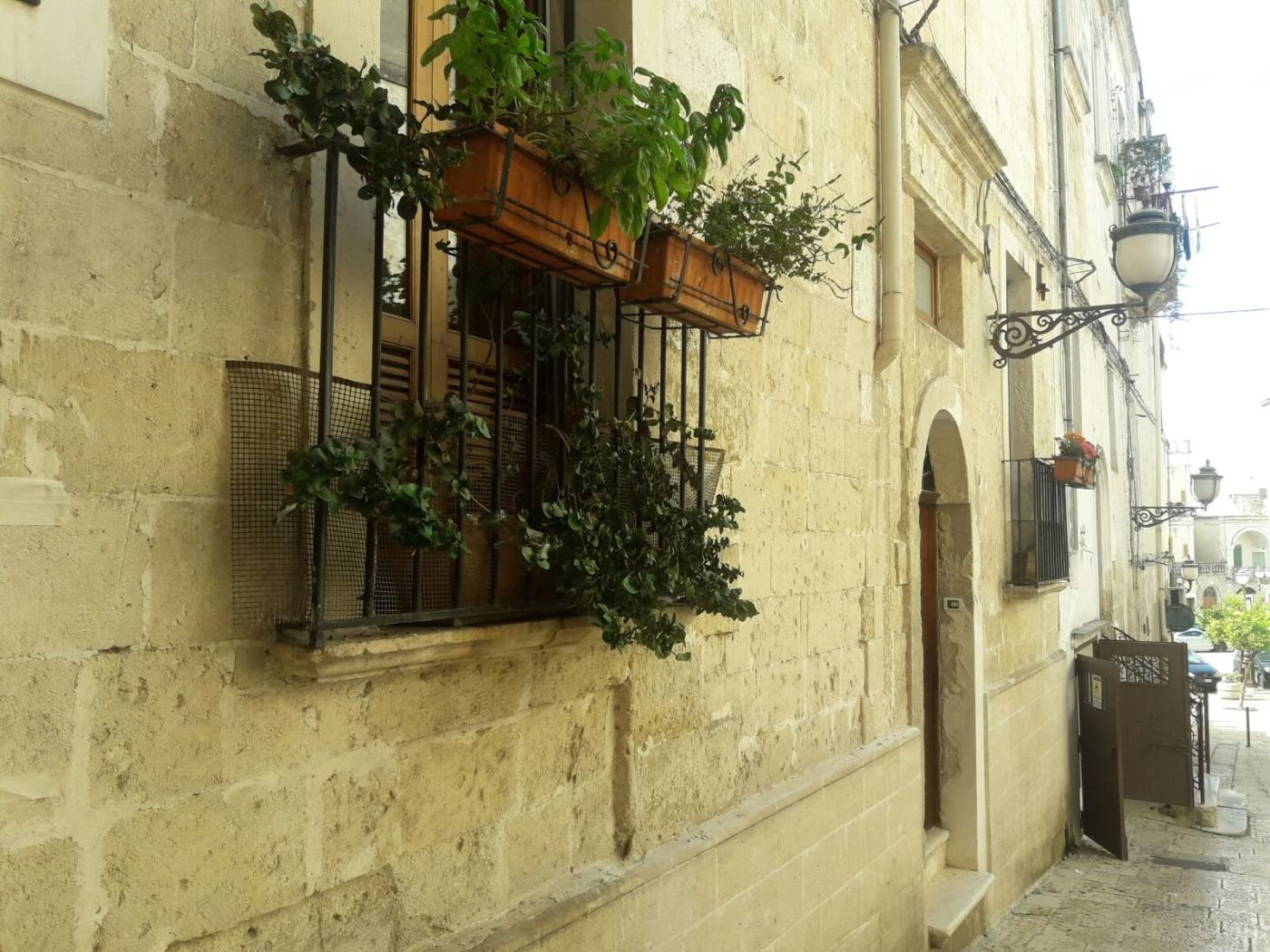
Pietra Leccese
Stones and limestones · Read the guide →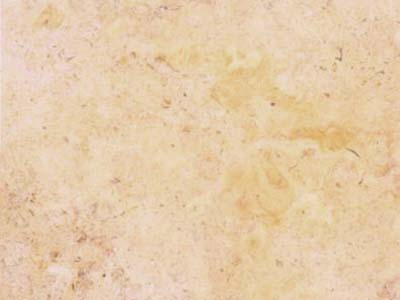
Pietra Di Gerusalemme
Stones and limestones · Read the guide →