
Züschen Stone: the complete guide
Züschen Stone is a German natural stone in yellowish-beige tones, warm and discreet. It is chosen for cladding, architectural elements and paving seeking a natural, traditional look.
History and origin
It takes its name from the German town of Züschen and is a material of mainly regional distribution, linked to local building. Stones of this type have been used for masonry, cornices, windowsills and paving, often in traditional buildings. Today it is offered for new construction and for restoration work that requires materials consistent with the existing fabric. Marmi di Carrara supplies it on request.
Look and veining
The background is beige with yellowish shadings, sometimes with slight variations in tone, veins or specks. As in many regional stones, differences between blocks can be noticeable and should be taken into account in the supply. Honed and brushed finishes enhance its warmth, while sandblasting and bush-hammering give a more rustic, slip-resistant look.
Technical properties (indicative)
| Classification | natural stone (characteristics to be checked on the lot) |
|---|---|
| Bulk density | approx. 2,300-2,600 kg/m³ (indicative) |
| Mohs hardness | approx. 3-4, variable |
| Water absorption | medium, variable |
| Main use | interiors and exteriors |
| Acid resistance | variable: to be checked according to composition |
Recommended uses
It is suitable for cladding, windowsills, thresholds, cornices, floors with moderate traffic and restoration work. For kitchen worktops and surfaces highly exposed to stains, harder and more compact stones are preferable.
Care and maintenance
Clean with neutral detergents, avoiding acidic or abrasive products. A breathable water repellent, especially outdoors, limits water absorption and the formation of patinas.
Pairings
- larch or spruce
- dark grey painted iron
- white lime plaster
FAQ
What type of stone is it?
It is a German natural stone in a yellowish-beige tone, sold mainly at regional level. Before outdoor or technically demanding uses it is advisable to request the technical data sheets for the lot.
Can it be used outdoors?
Yes, for cladding and architectural elements, preferably protected with a water repellent and with textured finishes for walkable surfaces. Frost resistance must be checked according to the lot.
Is it suitable for restoration?
Yes, if colour and grain are compatible with the existing stone. It is useful to compare a sample with the building before ordering.
How do I order it?
Send us drawings, dimensions and quantities: we will check availability and prepare a quote with photos or samples of the material.
Pietra Di Züschen: available on request
We supply this stone as blocks, slabs, tiles and custom-made pieces. Tell us size, thickness and quantity: we will send photos of the available slabs and a quote within 24 hours.
Similar materials
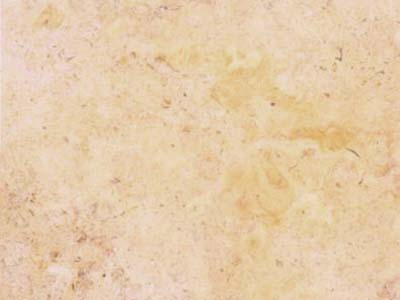
Pietra Di Gerusalemme
Stones and limestones · Read the guide →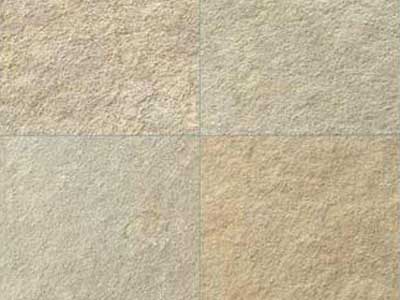
Tandur Yellow
Stones and limestones · Read the guide →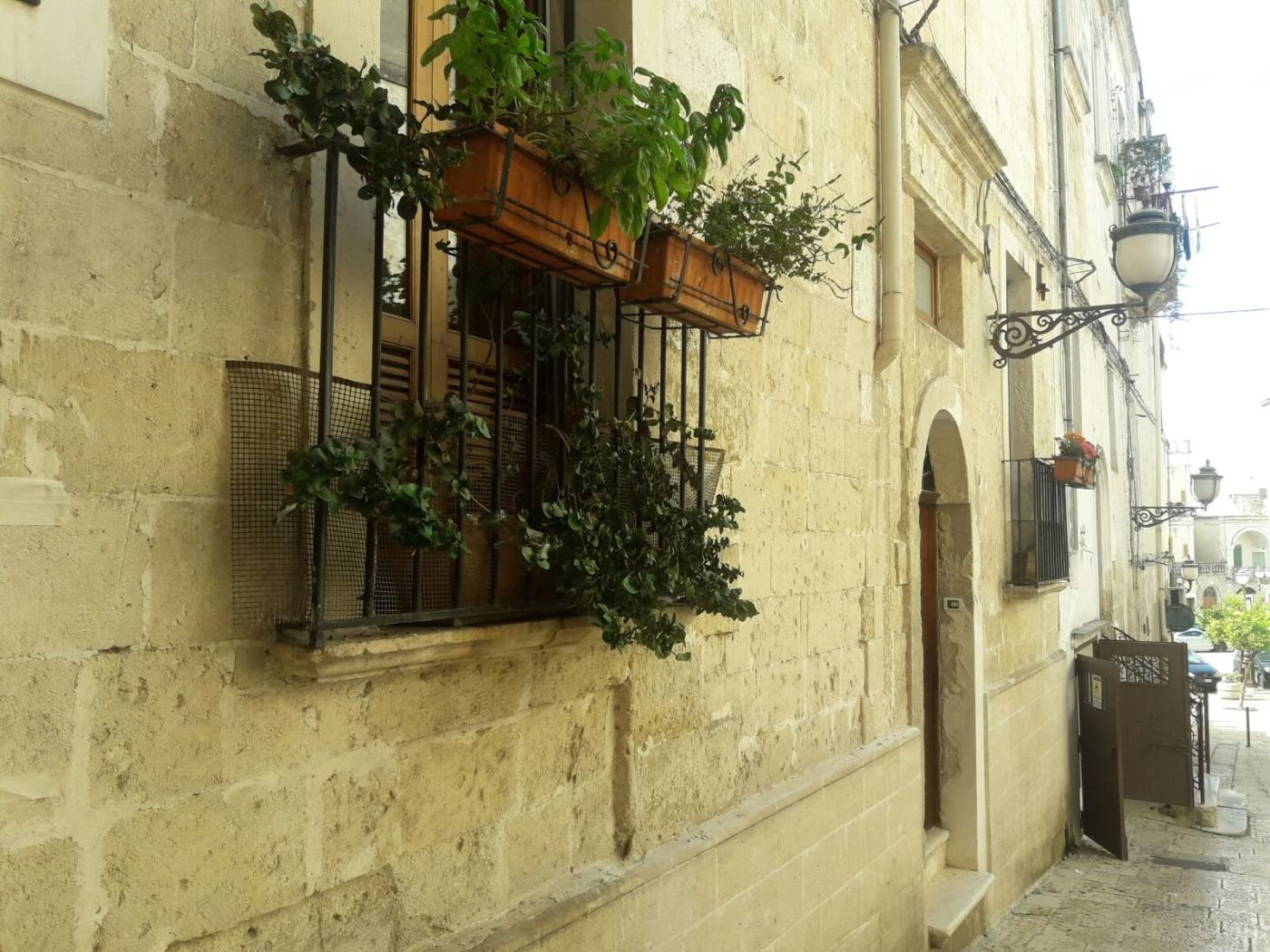
Pietra Leccese
Stones and limestones · Read the guide →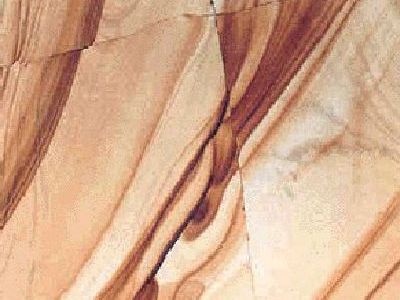
Arenaria Teak
Stones and limestones · Read the guide →
Pietra Di Jaumont
Stones and limestones · Read the guide →
Jaisalmer Yellow
Stones and limestones · Read the guide →
Pietra Di Cadeby
Stones and limestones · Read the guide →