 Foto: FraPLGDonMilaniPertini · CC BY-SA 4.0 · Wikimedia Commons
Pietra Leccese: the complete guide
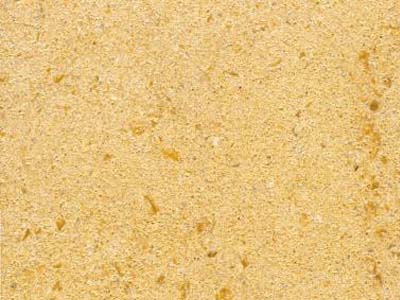
Pietra Leccese is a soft limestone from Salento, warm straw-yellow in colour with a fine, compact grain. It is chosen for its ease of working and for the golden light it gives to façades and interiors.
History and origin
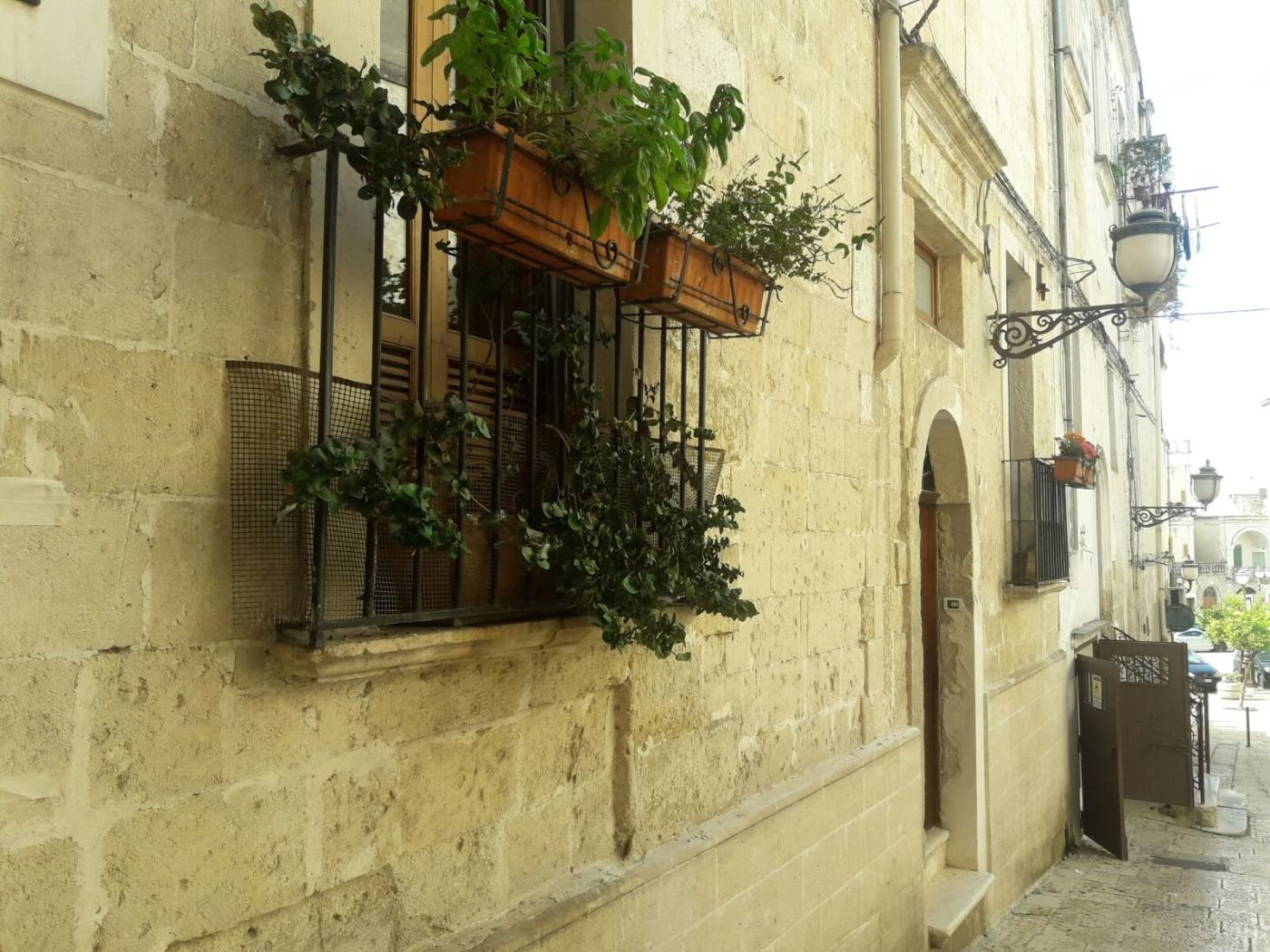
It is the stone of Salento, in Apulia, the star of Lecce's Baroque architecture, where richly carved façades testify to its exceptional workability. It has always been used for walls, portals, balustrades, decorations and furnishings. Today it is also used in contemporary cladding, fireplaces and bespoke elements. Marmi di Carrara supplies it on request.
Look and veining
The background is straw yellow or light honey, very homogeneous, with rare patches or small fossils. When freshly quarried it is soft to the touch, and over time, exposed to the air, its surface tends to harden, forming a golden patina. Honed and brushed finishes are the most common; it also lends itself to highly detailed carving and bas-reliefs.
Technical properties (indicative)
| Classification | soft limestone (sedimentary rock) |
|---|---|
| Bulk density | approx. 1,800-2,000 kg/m³ (indicative) |
| Mohs hardness | approx. 2-3: soft stone |
| Water absorption | high: porous stone |
| Main use | interior and exterior cladding |
| Acid resistance | low: limestone sensitive to acids |
Recommended uses
Excellent for façade and interior wall cladding, portals, cornices, fireplaces, columns, balustrades and carved decorations. Not recommended for heavy-traffic floors, kitchen worktops or constantly wet areas, because of its softness and porosity.
Care and maintenance
A consolidating and breathable water-repellent treatment is essential, especially outdoors. Clean dry or with water and neutral products, never with acids or high-pressure jets. With the right protection it develops a warm patina that adds to its charm.
Pairings
- white plaster and lime
- wrought iron
- handmade ceramics and majolica
FAQ
Does Pietra Leccese withstand outdoor conditions?
Yes, as the historic façades of Salento show, but it must be treated with consolidants and water repellents and protected from standing water.
Can it be used as flooring?
It is too soft for heavy domestic traffic; for floors it is better to opt for harder limestones or stones such as travertine.
Why is it so widely used in sculpture?
Because it is easy to work with hand tools and CNC machines, allowing fine decoration, carving and bas-reliefs.
How do I order it?
On request: send us the project, including carved or custom-designed elements, and we will prepare a quote with photos and samples.
Pietra Leccese: available on request
We supply this stone as blocks, slabs, tiles and custom-made pieces. Tell us size, thickness and quantity: we will send photos of the available slabs and a quote within 24 hours.
Similar materials
Pietra Di Solnhofen
Stones and limestones · Read the guide →
Pietra Di Cadeby
Stones and limestones · Read the guide →
Arenaria Di Udelfangen
Stones and limestones · Read the guide →
Pietra Di Züschen
Stones and limestones · Read the guide →
Pietra Di Gerusalemme
Stones and limestones · Read the guide →
Arenaria Teak
Stones and limestones · Read the guide →
Jaisalmer Yellow
Stones and limestones · Read the guide →