Labradorite: the complete guide
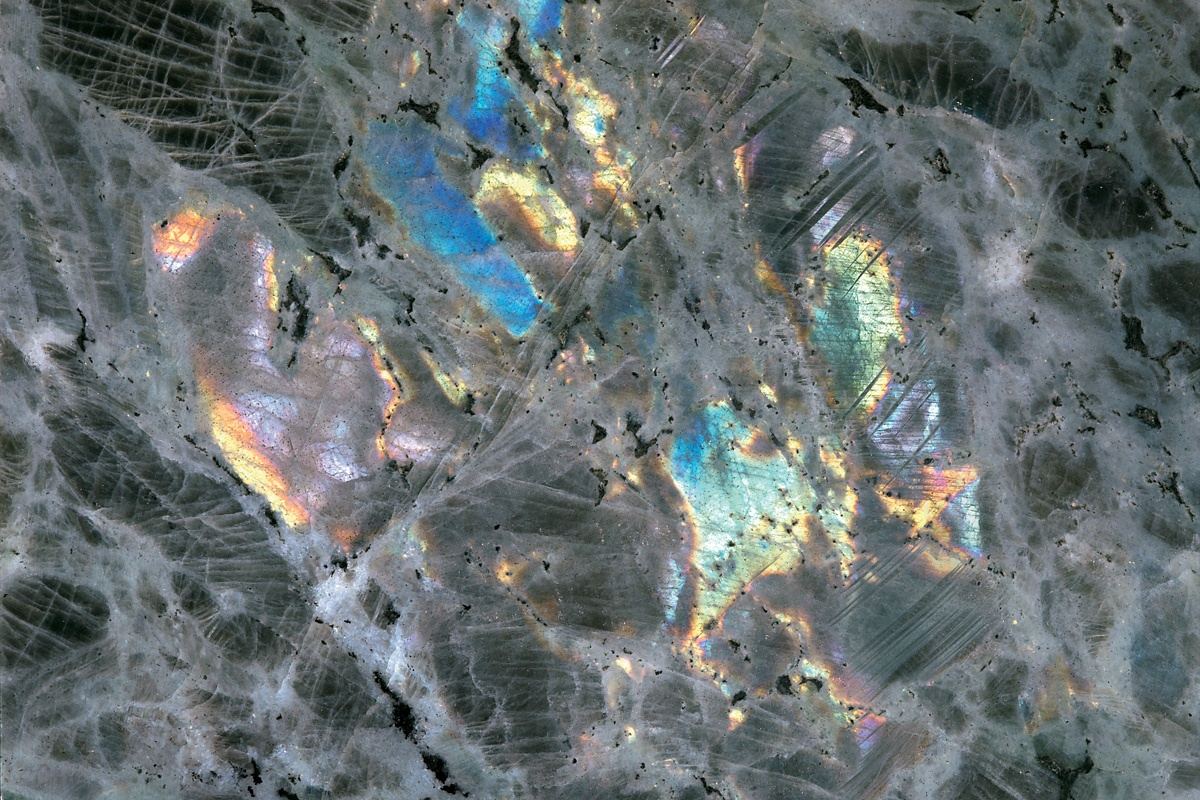
Labradorite in slabs is made of fragments of this dark feldspar, famous for its iridescent blue, green and golden reflections, bonded with resin. It is chosen for decorative surfaces that change appearance with the light and the viewpoint.
History and origin
Labradorite is a feldspar that displays labradorescence, a play of colours caused by the internal structure of the crystals. It takes its name from the Labrador region in Canada, but is also found in other countries. It has long been prized in jewellery; in reconstituted slabs, the fragments are oriented to showcase the reflections. Marmi di Carrara supplies it on request.
Look and veining
On a dark grey background, flashes of blue, green, gold and sometimes orange appear, visible only from certain angles. The intensity of the reflections varies between fragments and between slabs. Polishing is essential to bring out the iridescence.
Technical properties (indicative)
| Classification | reconstituted semi-precious stone: labradorite fragments bonded with resin |
|---|---|
| Bulk density | approx. 2,500-2,700 kg/m³ (indicative) |
| Mohs hardness | 6-6.5 for the fragments; the resin is softer |
| Water absorption | very low |
| Main use | interiors, feature surfaces |
| Acid resistance | good for the fragments; the resin is sensitive to solvents and heat |
Recommended uses
Suitable for feature walls, counters, tables, bathroom tops and furniture fronts. Not suitable for floors, exteriors or surfaces exposed to heat.
Care and maintenance
Clean with a neutral detergent and a microfibre cloth, without solvents or abrasives. Protect tops from heat and sharp objects.
Pairings
- matt black or gunmetal metal
- dark oak or wenge
- grazing light or adjustable spotlights to enhance the reflections
FAQ
Why does labradorite change colour?
It does not actually change colour: light is reflected by extremely thin layers inside the crystals, creating iridescent flashes that can only be seen from certain angles.
How is it best lit?
Rather than backlighting, which has little effect on a dark stone, direct or grazing light works best, for example with adjustable spotlights. This way the reflections emerge as you move through the space.
Is it durable?
The fragments have a hardness of 6-6.5 Mohs and good chemical resistance; the resin is the most delicate part. It is suitable for decorative use and lightly used tops.
How do I order it?
On request: send us dimensions and use, we will prepare a quote and send you photos and, if useful, a video of the slab so you can appreciate its reflections.
Labradorite: available on request
We supply this stone as blocks, slabs, tiles and custom-made pieces. Tell us size, thickness and quantity: we will send photos of the available slabs and a quote within 24 hours.
Similar materials
Malachite Gold
Semi-precious stones · Read the guide →
Avventurina Verde
Semi-precious stones · Read the guide →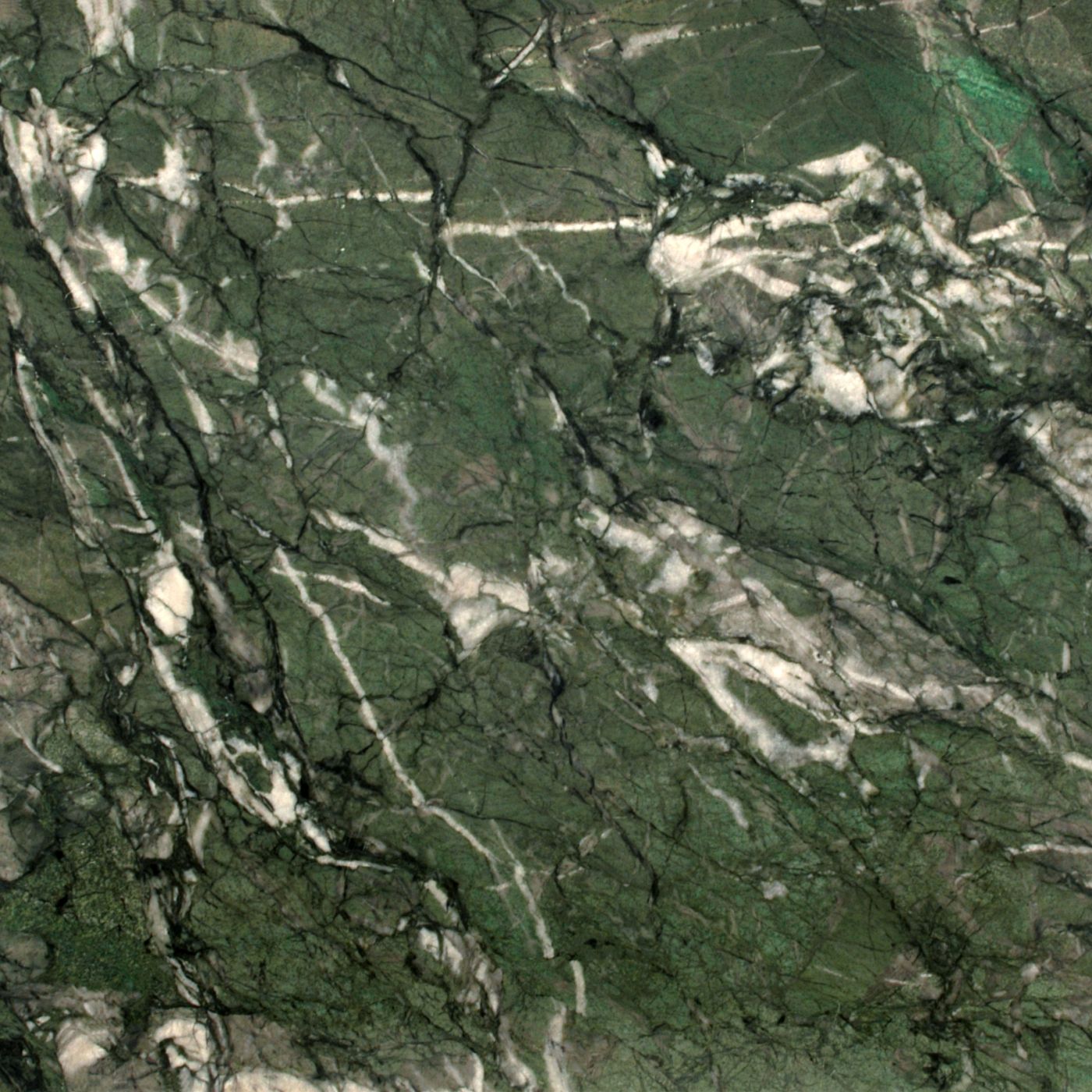
Malachite
Semi-precious stones · Read the guide →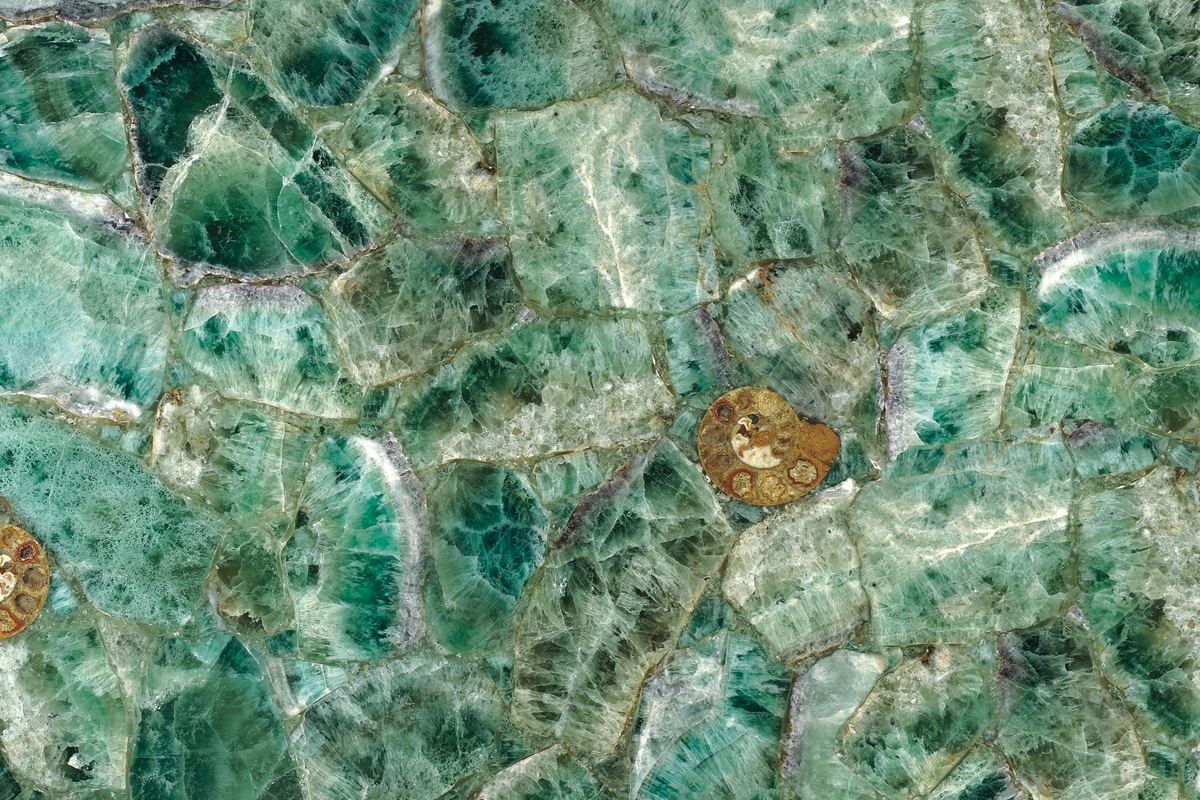
Fluorite Smeraldo
Semi-precious stones · Read the guide →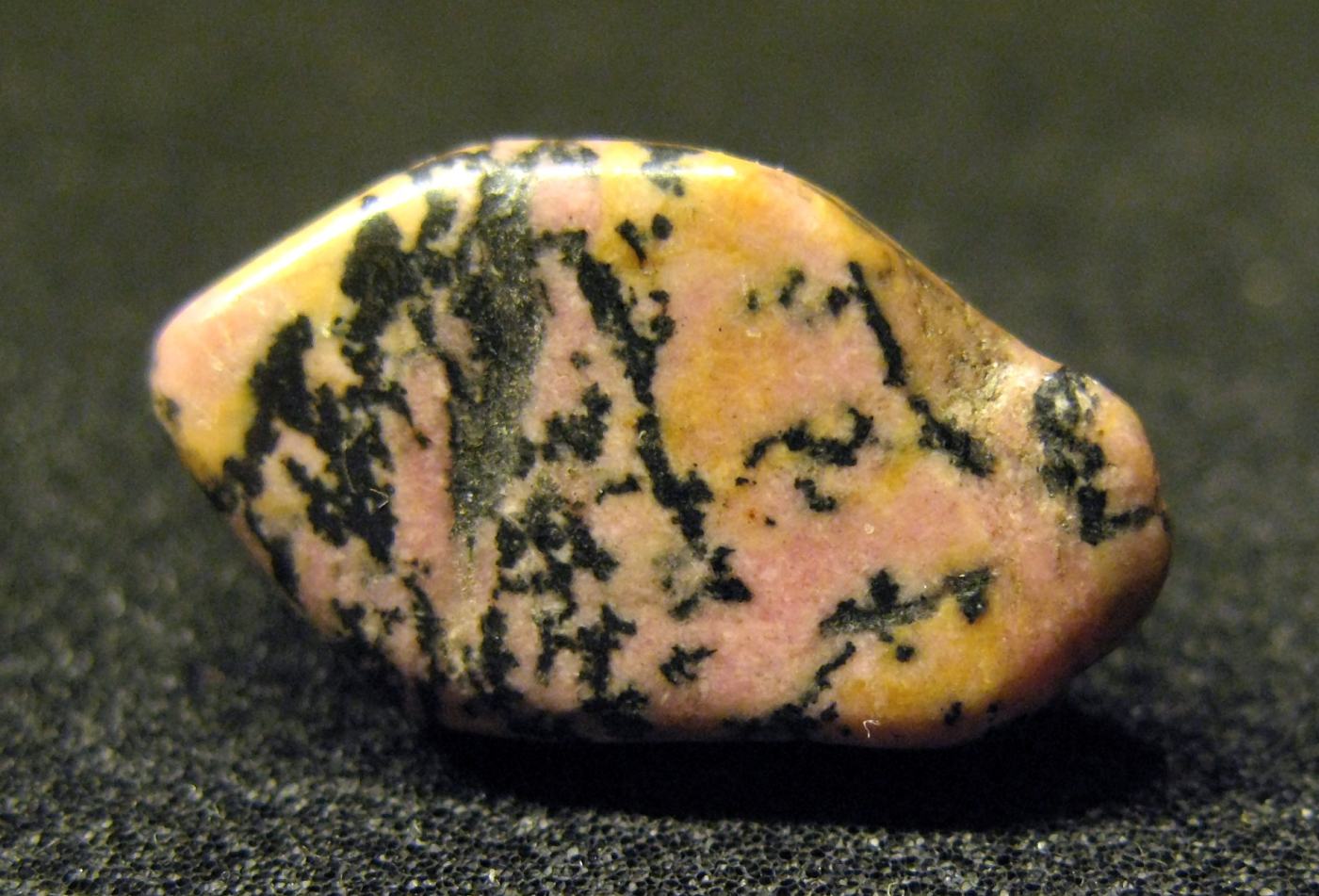
Rodonite
Semi-precious stones · Read the guide →
Charoite
Semi-precious stones · Read the guide →
Labradorite Blue Australe
Semi-precious stones · Read the guide →