
 Foto: Adrian Tync · CC BY-SA 4.0 · Wikimedia Commons
Charoite: complete guide
Charoite is a purple semi-precious stone with fibrous, swirling patterns and silky reflections. It is chosen for unique, highly prestigious decorative surfaces meant to be admired close up.
History and origin
It is a relatively new stone on the market, described scientifically only in the second half of the 20th century. The only known deposit is in Siberia, Russia, which greatly limits its availability. As well as in jewellery and ornaments, it is used in small cladding areas and luxury furnishings. Marmi di Carrara supplies it on request.
Look and veining
The colour ranges from lilac to deep purple, with fibres interweaving in swirling motifs and areas with black, white or orange inclusions of other minerals. Every piece is different, with strong variations in intensity and pattern. Polishing brings out the silky lustre and the movement of the fibres.
Technical properties (indicative)
| Classification | semi-precious stone (silicate) |
|---|---|
| Density | approx. 2,500-2,600 kg/m³ (indicative) |
| Mohs hardness | approx. 5-6 (resin in composites is softer) |
| Water absorption | low |
| Main use | interiors, decorative use |
| Acid resistance | medium; the resin is sensitive to solvents and heat |
Recommended uses
Because of its cost and scarcity it is almost always used in composite slabs, with fragments bonded with resin, or in small formats, inlays and mosaics. It is suitable for feature walls, lightly used bathroom vanity tops, tables and furniture tops. It is not recommended for floors, working kitchens or exteriors.
Care and maintenance
Clean with a soft cloth and a neutral detergent. Avoid solvents, aggressive products and contact with hot pans, which can damage the resin. Protect from prolonged exposure to direct sunlight.
Pairings
- gold and polished brass
- very uniform white or black marbles
- pearl-grey velvets and fabrics
FAQ
Are there solid slabs of charoite?
Very rarely and in small sizes: for large surfaces, composite slabs of fragments bonded with resin are used.
Can it be backlit?
Charoite is barely translucent, so the effect is limited; composites may have slight transparency depending on the resin.
Why is it so expensive?
Because it comes from a single known deposit and working the fragments is largely done by hand.
How do I order it?
Write to us with sizes and intended use: we will check the available formats and send you a quote and photos of the slabs.
Charoite: available on request
We supply this stone as blocks, slabs, tiles and custom-made pieces. Tell us size, thickness and quantity: we will send photos of the available slabs and a quote within 24 hours.
Similar materials

Diaspro Rosso
Semi-precious stones · Read the guide →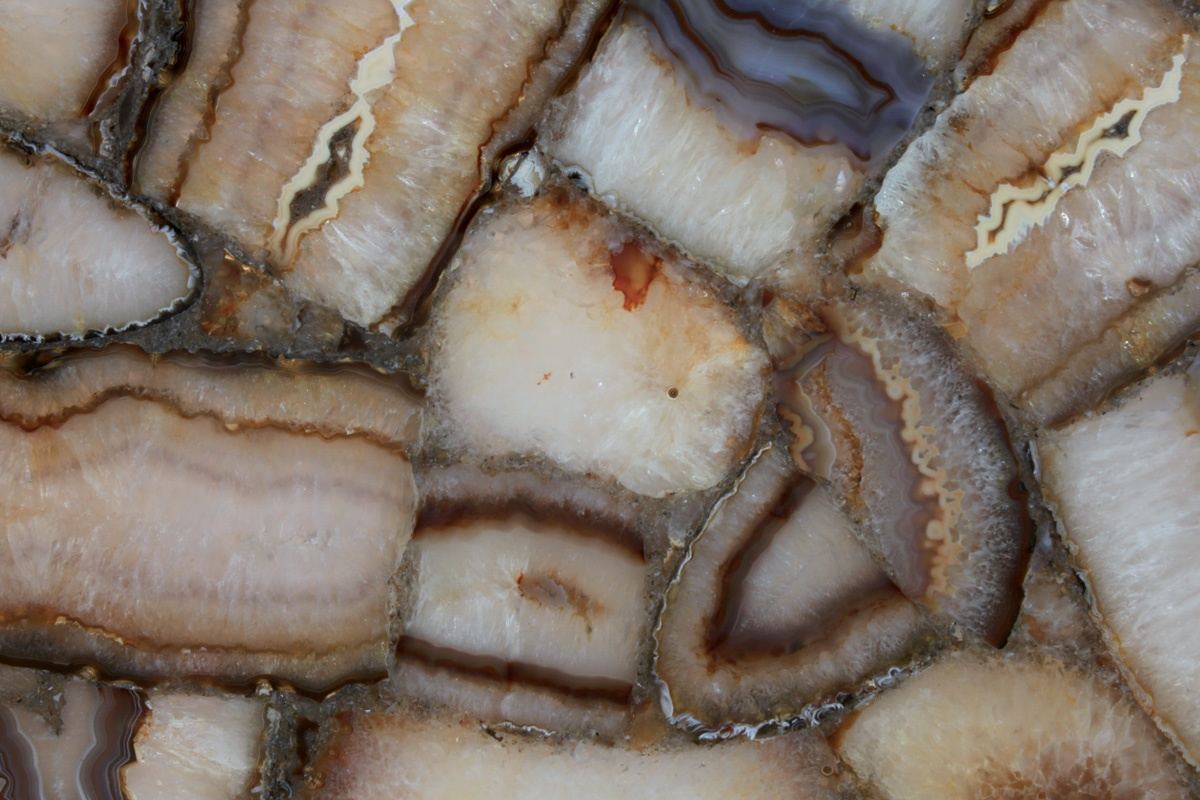
Agata Rossa
Semi-precious stones · Read the guide →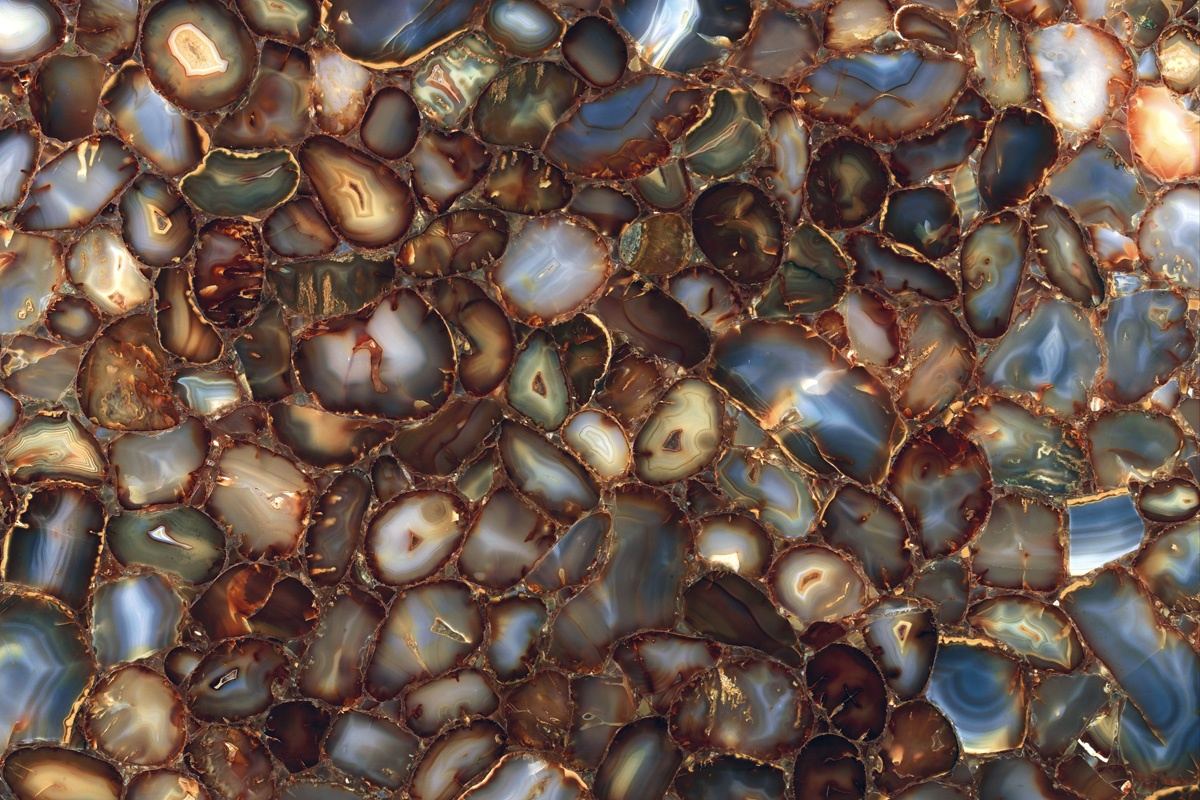
Corniola
Semi-precious stones · Read the guide →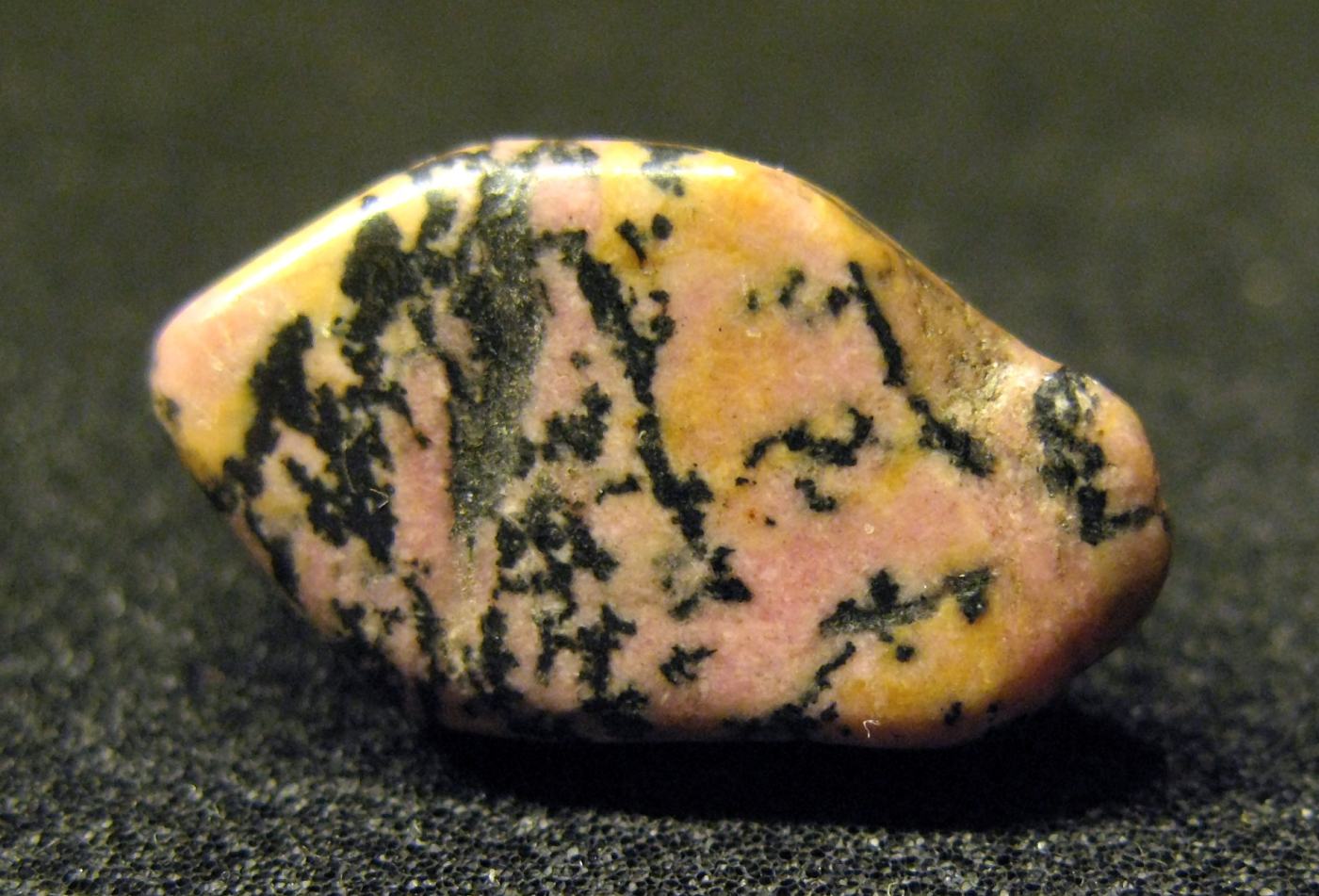
Rodonite
Semi-precious stones · Read the guide →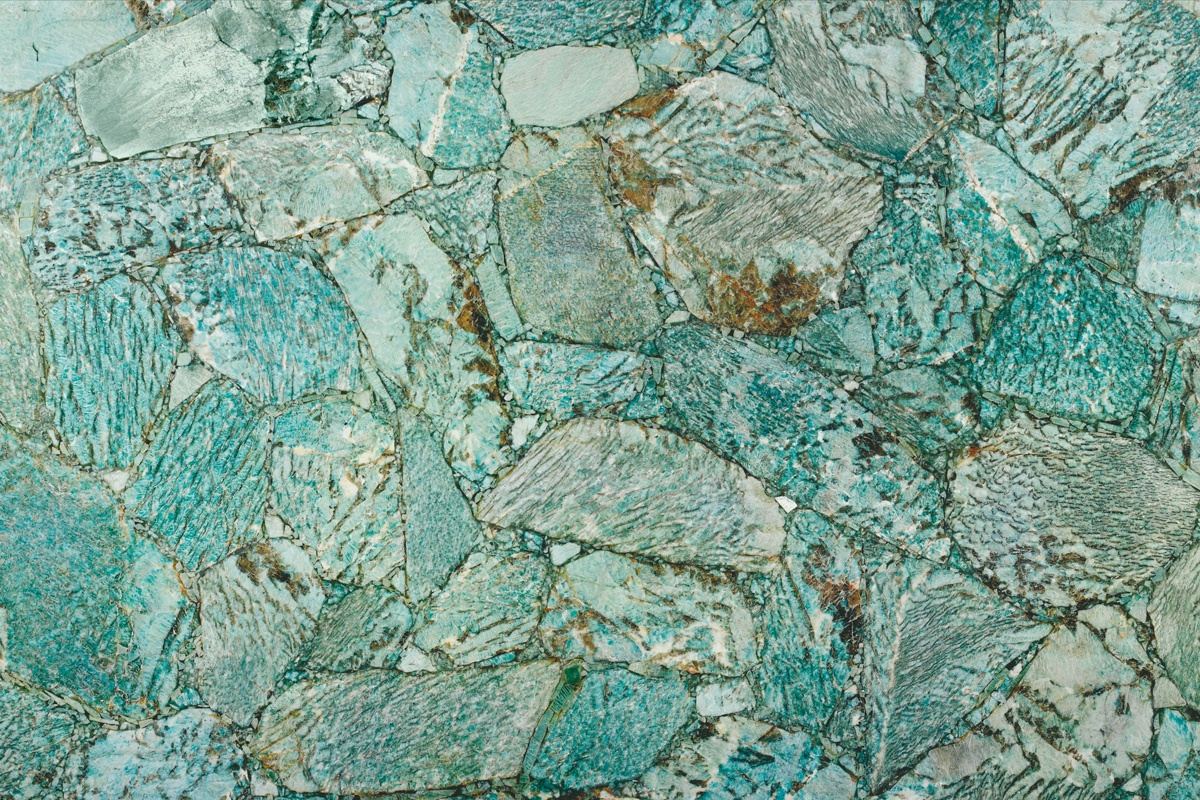
Amazzonite
Semi-precious stones · Read the guide →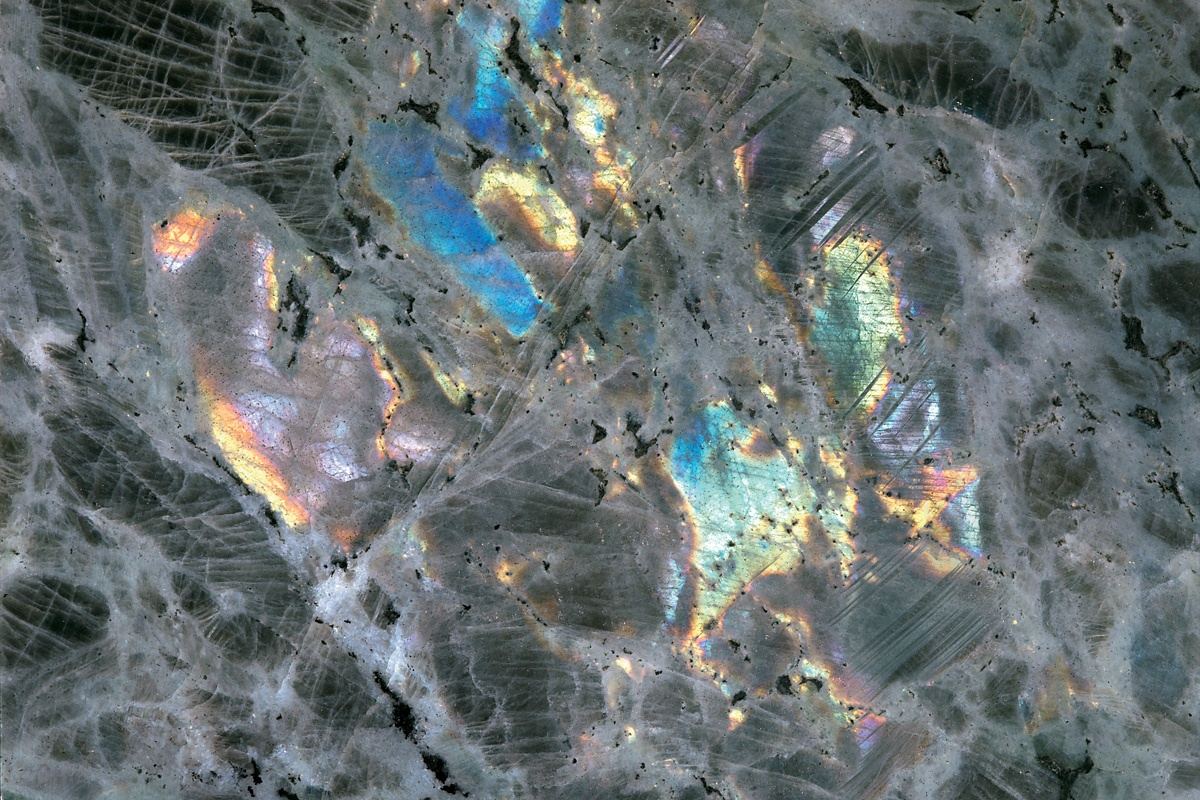
Labradorite
Semi-precious stones · Read the guide →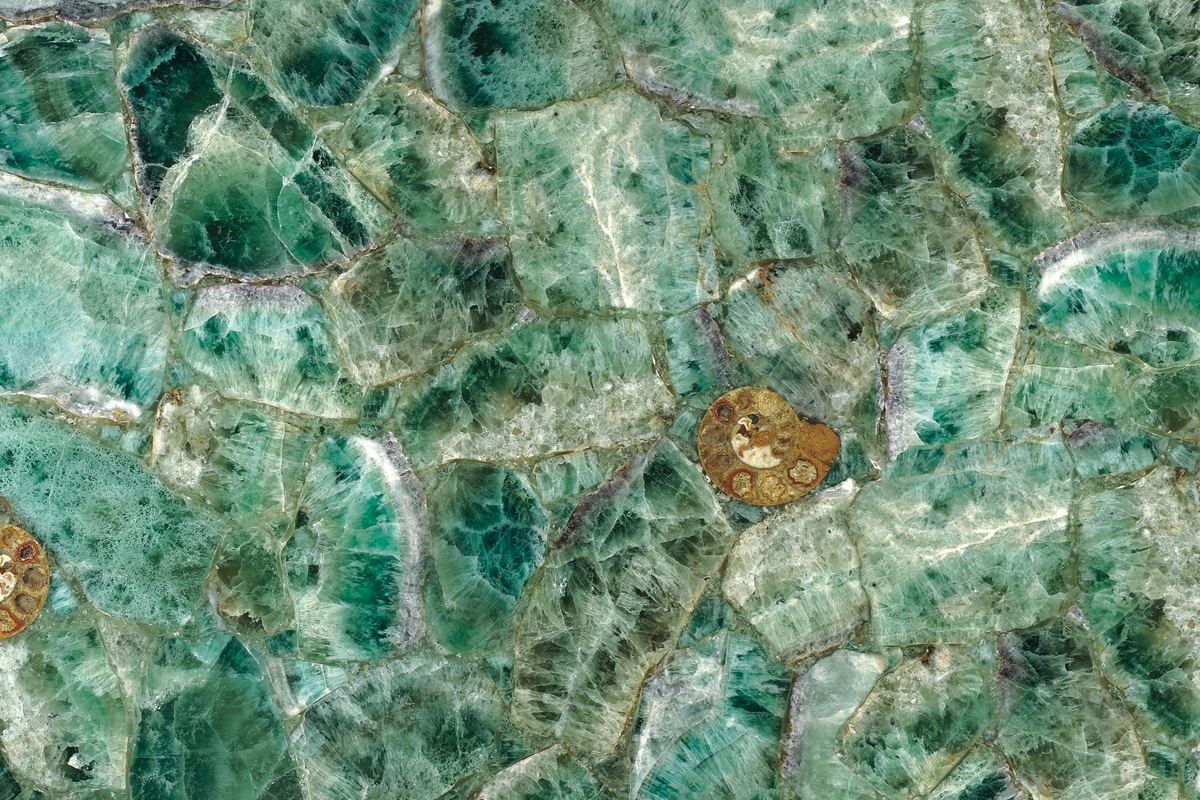
Fluorite Smeraldo
Semi-precious stones · Read the guide →