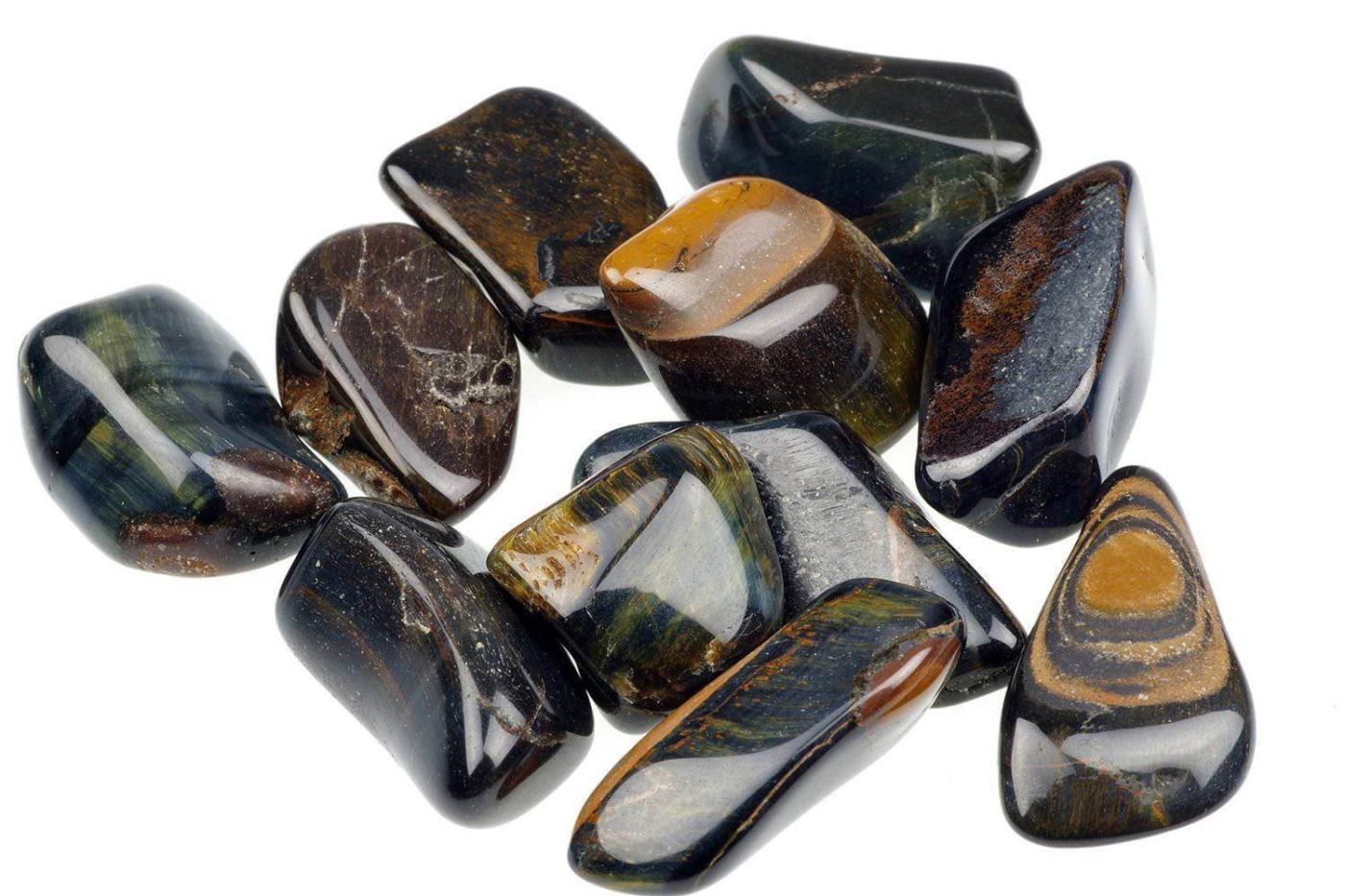
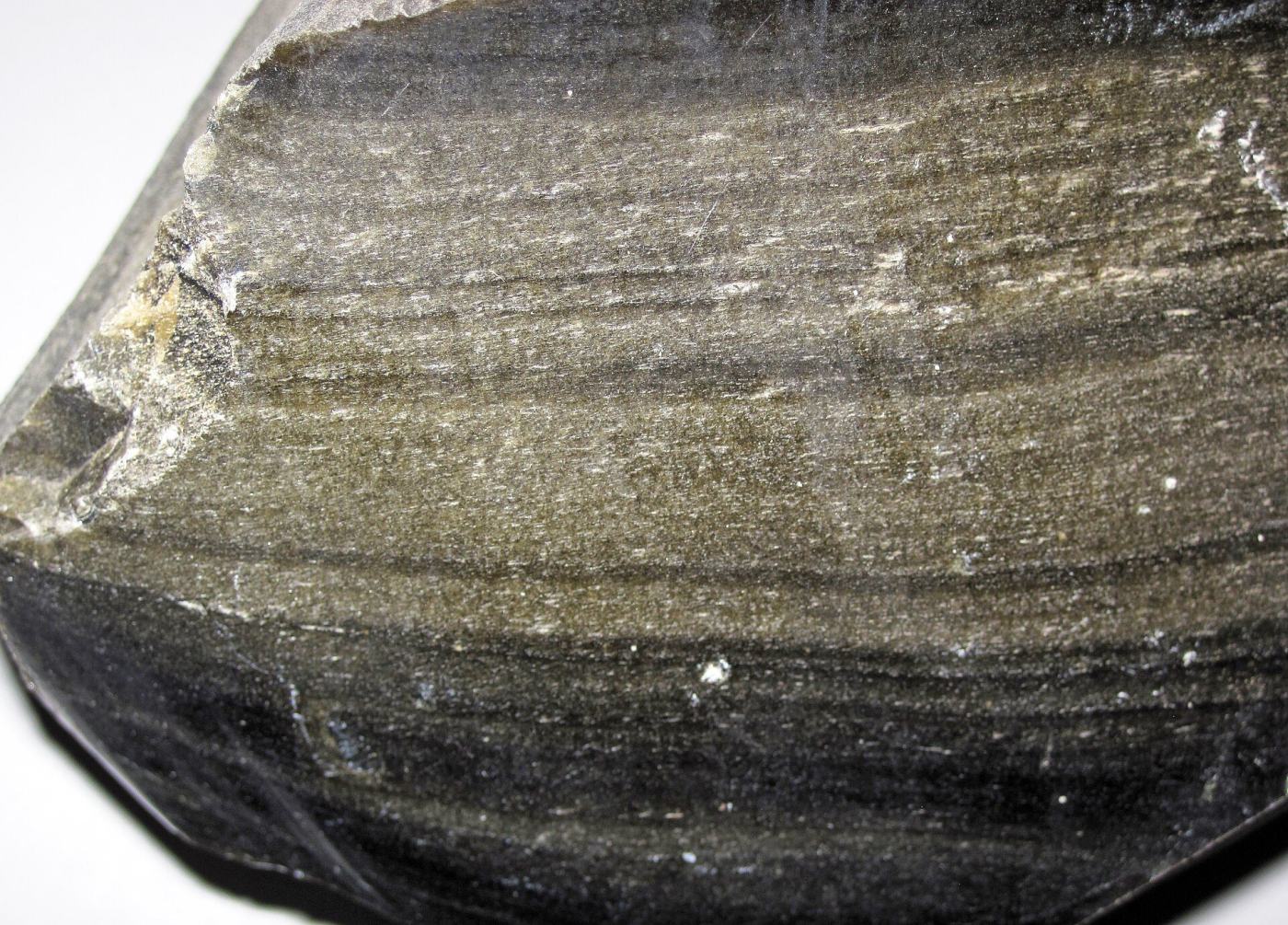
 Foto: James St. John · CC BY 2.0 · Wikimedia Commons
Obsidian: complete guide
Obsidian is a natural volcanic glass, black and deeply lustrous. It is chosen for intense, refined decorative surfaces, often combined with lighting and metals.
History and origin
It forms from the rapid cooling of silica-rich lavas and is found in several volcanic areas around the world. Since prehistoric times it has been used for blades and tools thanks to its sharp fracture, and later for mirrors and ornaments. In interior architecture it appears mainly in composite panels and small formats. Marmi di Carrara supplies it on request.
Look and veining
The colour is generally deep black, sometimes with golden or silvery sheen due to micro-inclusions, or with grey snowflake patches. It has no crystalline veining like common rocks, but it can show streaks or bands. Polished, it has an almost mirror-like effect, which is its main quality.
Technical properties (indicative)
| Classification | natural volcanic glass |
|---|---|
| Density | approx. 2,350-2,600 kg/m³ (indicative) |
| Mohs hardness | approx. 5-5.5 |
| Water absorption | practically nil |
| Main use | interiors, decorative use |
| Acid resistance | good; fragile under impact |
Recommended uses
It is used in composite slabs or small formats for decorative walls, inlays, furniture tops and prestigious bathroom vanity tops. It is fragile under impact and chips with a conchoidal fracture, so it is not recommended for floors, kitchens or exteriors. Its cost also suggests targeted use.
Care and maintenance
Clean with a microfibre cloth and neutral detergent, as you would glass. Avoid impacts and abrasives, which scratch the polished surface. With composites, avoid solvents and sources of heat.
Pairings
- silver and polished steel
- uniform white marbles such as Thassos
- warm grazing light
FAQ
Is obsidian a stone or a glass?
It is a natural glass of volcanic origin: it has no crystalline structure, which is why it behaves differently from common rocks.
Is it fragile?
Yes, it is hard but fragile under impact and can chip; for this reason it is used on surfaces subject to little stress.
Can large slabs be found?
Rarely: for large surfaces, composite slabs or combinations of small formats are used.
How do I order it?
Contact us with sizes and project: we will propose the available solutions with a quote and photos.
Ossidiana: available on request
We supply this stone as blocks, slabs, tiles and custom-made pieces. Tell us size, thickness and quantity: we will send photos of the available slabs and a quote within 24 hours.
Similar materials
Occhio Di Gatto (Cat'S Eye)
Semi-precious stones · Read the guide →
Ametista
Semi-precious stones · Read the guide →
Rodonite
Semi-precious stones · Read the guide →
Charoite
Semi-precious stones · Read the guide →
Diaspro Rosso
Semi-precious stones · Read the guide →
Malachite
Semi-precious stones · Read the guide →
Lapislazzuli
Semi-precious stones · Read the guide →