Foto: W.carter · CC BY-SA 4.0 · Wikimedia Commons
Lapis Lazuli: complete guide
Lapis lazuli is one of the most celebrated semi-precious stones, a deep blue flecked with golden pyrite. It is chosen for decoration of the very highest value, where the colour itself is a sign of luxury.
History and origin
It has been used for millennia for jewellery, seals and precious objects; the most famous historic deposit is in Afghanistan, but there are others, for example in Chile. Ground, it was the source of the ultramarine blue pigment of old paintings. In European decorative art it appears in inlays, pietra dura work and prestigious furniture tops. Marmi di Carrara supplies it on request.
Look and veining
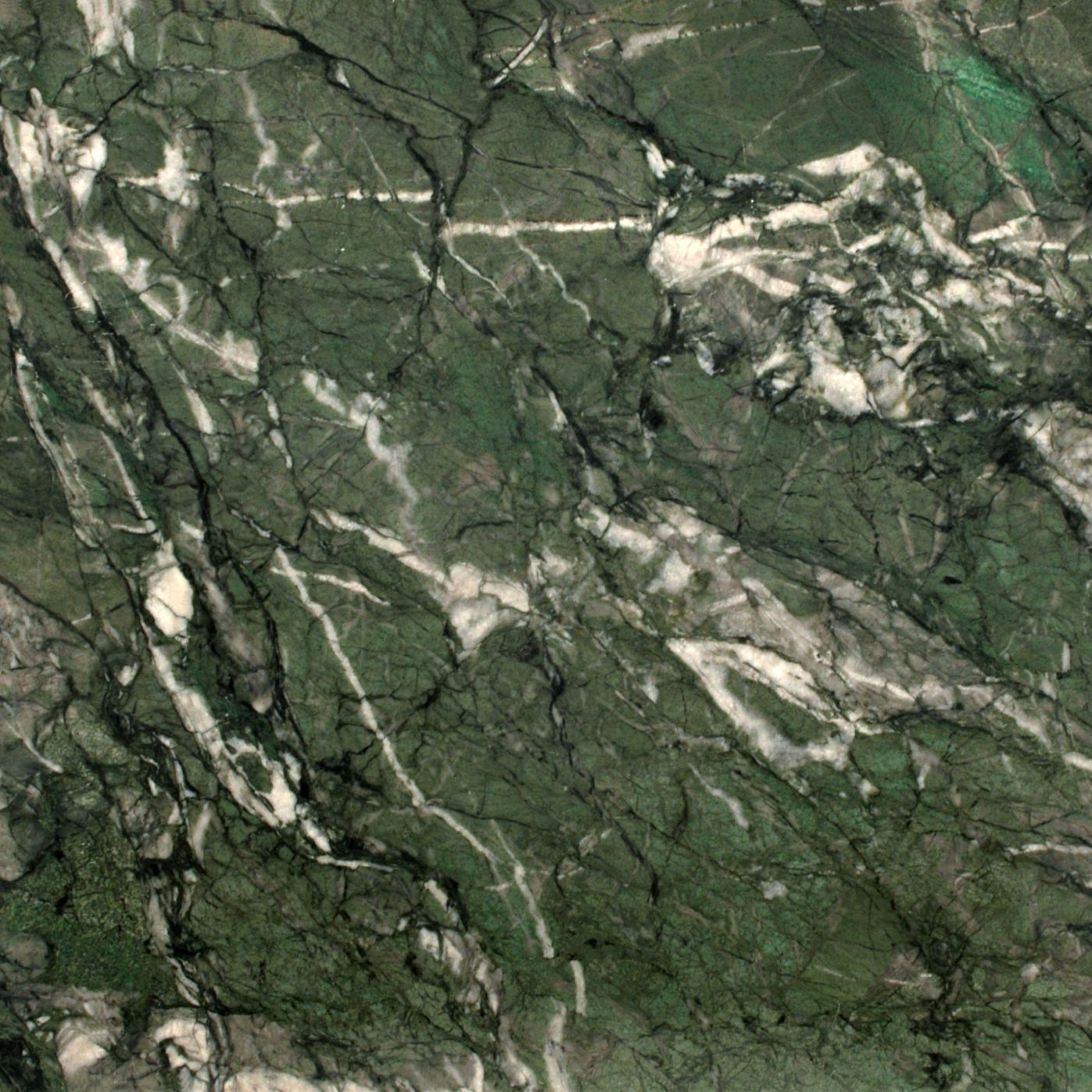
The background is deep blue, from royal blue to violet-blue, with golden flecks of pyrite and white veins or patches of calcite. The finest qualities have a uniform blue and little calcite. Polishing gives depth to the blue and makes the pyrite sparkle.
Technical properties (indicative)
| Classification | semi-precious rock (lazurite, calcite, pyrite) |
|---|---|
| Density | approx. 2,700-2,900 kg/m³ (indicative) |
| Mohs hardness | approx. 5-5.5 (resin in composites is softer) |
| Water absorption | low |
| Main use | interiors, decorative use |
| Acid resistance | low: the calcite is sensitive to acids |
Recommended uses
It is used in composite slabs, small formats, inlays and luxury furniture tops, or in decorative panels. The cost is very high and large surfaces are rare. It is not recommended for floors, kitchens, heavily used bathrooms or exteriors.
Care and maintenance
Clean only with a soft cloth and water or a neutral detergent. Avoid acids, solvents and heat. Do not leave standing water on the surface.
Pairings
- gold and polished brass
- white statuary marbles
- dark woods such as ebony or rosewood
FAQ
Why is lapis lazuli so expensive?
Because qualities suitable for working are rare and each slab requires a great deal of manual work, especially composites.
Are there large slabs?
Rarely: for extensive surfaces, composite slabs of fragments bonded with resin are used.
Are the golden flecks gold?
No, they are crystals of pyrite, an iron sulphide, typical of natural lapis lazuli.
How do I order it?
Contact us with sizes and project: we will check the available qualities and formats and send you a quote and photos.
Lapislazzuli: available on request
We supply this stone as blocks, slabs, tiles and custom-made pieces. Tell us size, thickness and quantity: we will send photos of the available slabs and a quote within 24 hours.
Similar materials
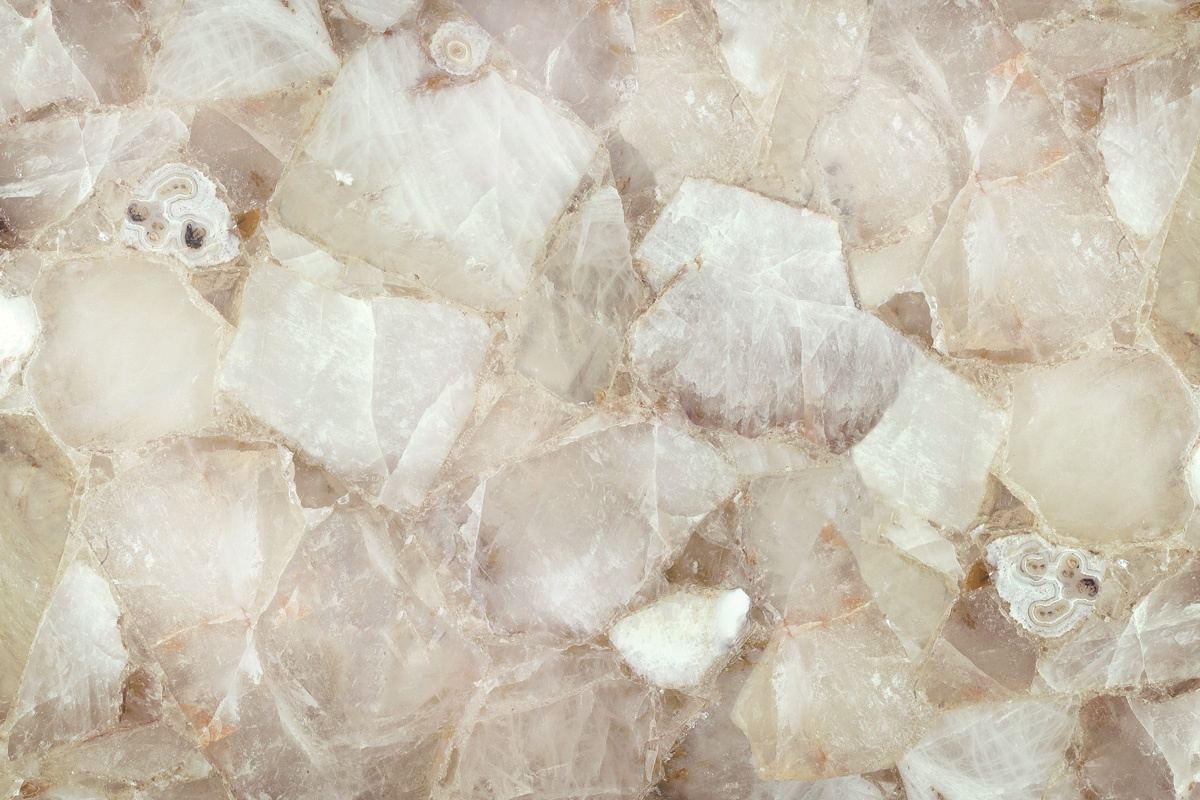
Quarzo Cristallo
Semi-precious stones · Read the guide →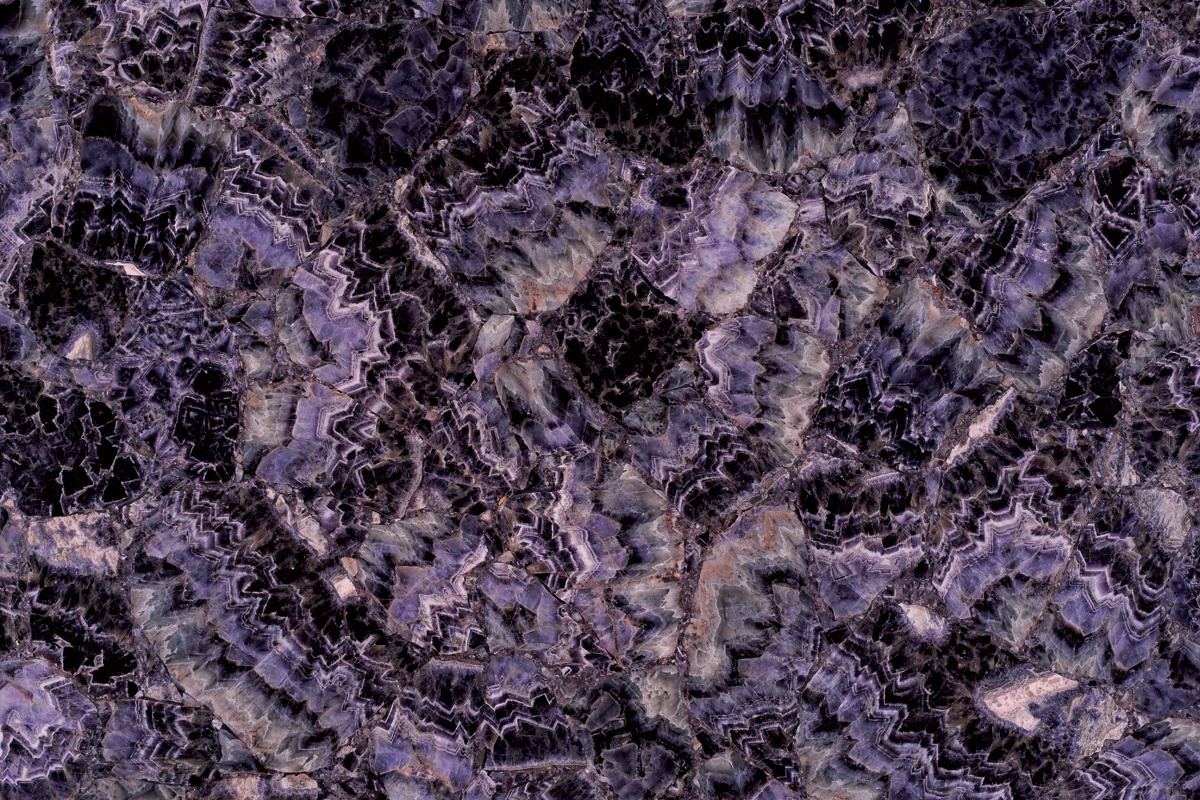
Ametista
Semi-precious stones · Read the guide →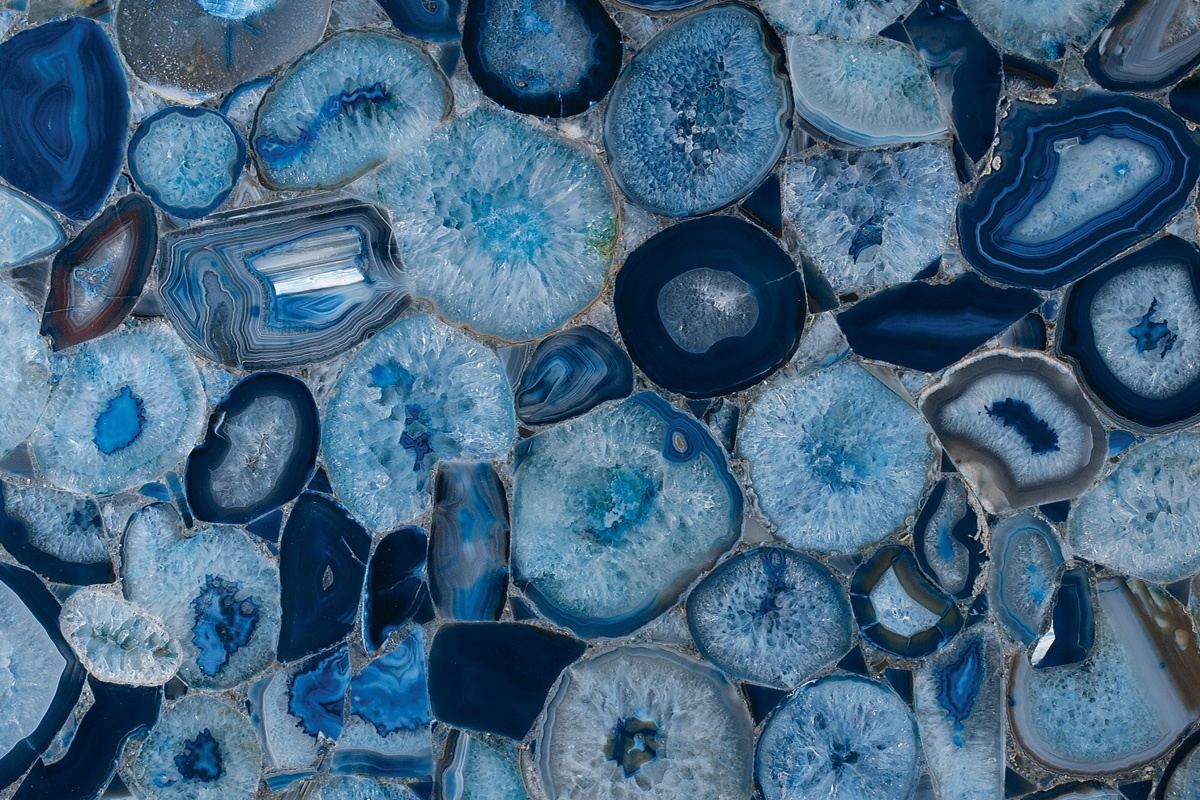
Agata Blu
Semi-precious stones · Read the guide →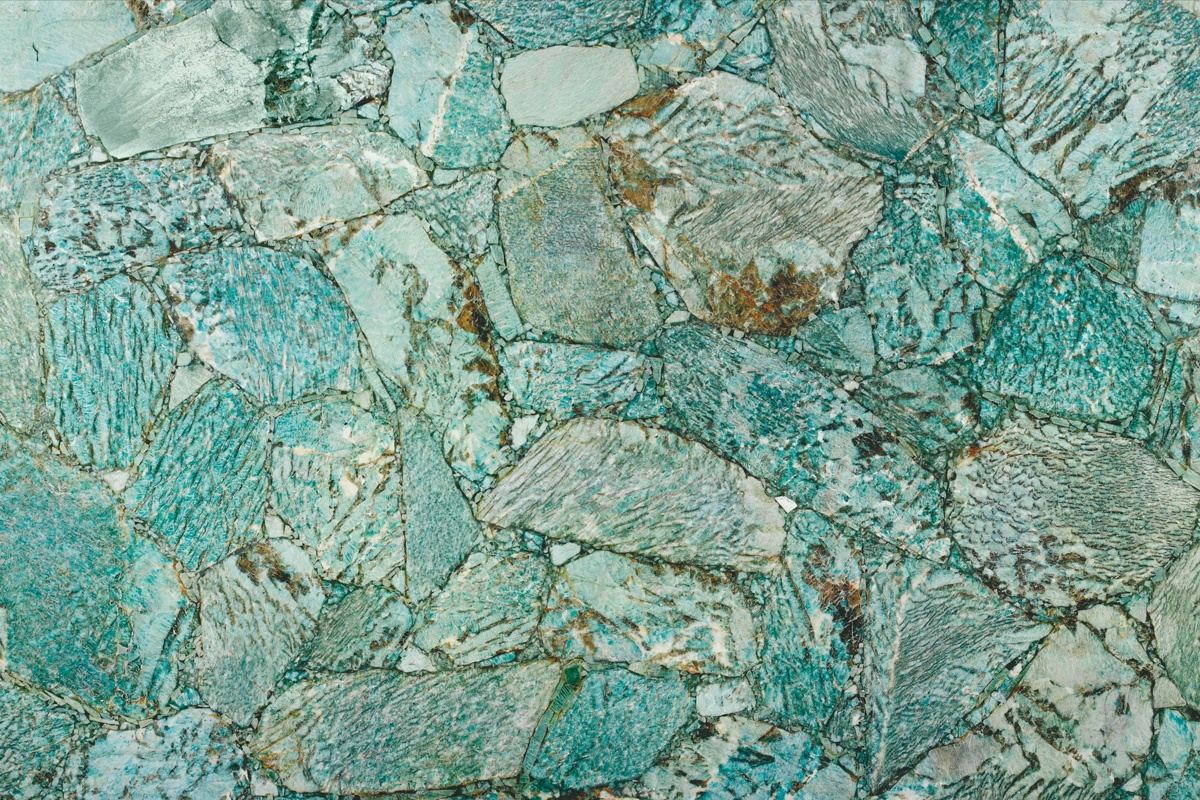
Amazzonite
Semi-precious stones · Read the guide →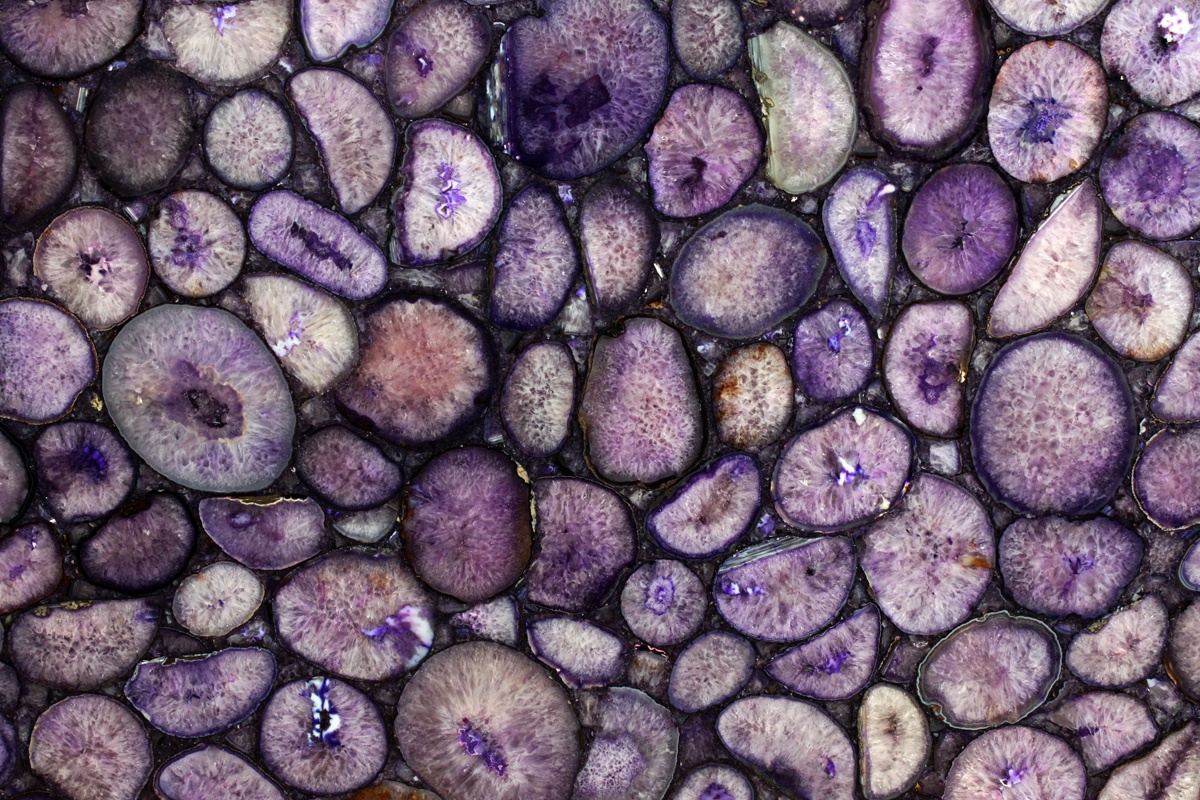
Agata Viola
Semi-precious stones · Read the guide →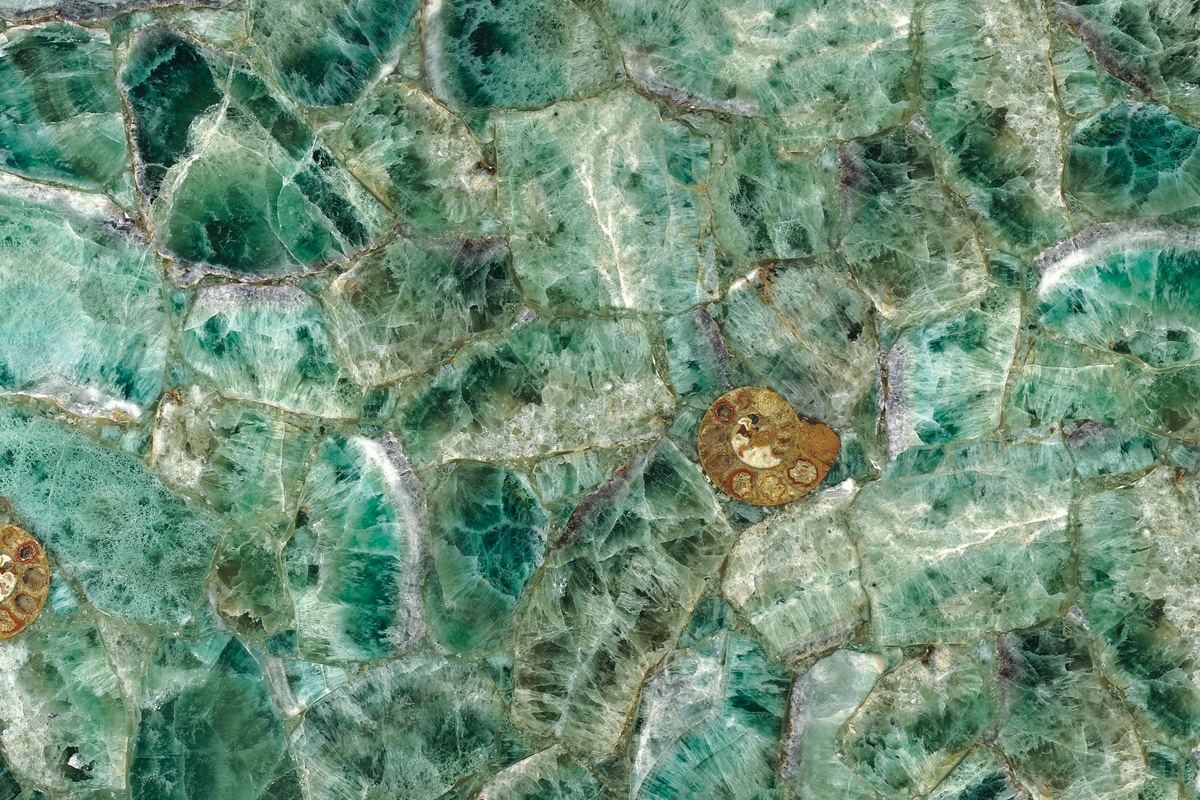
Fluorite Smeraldo
Semi-precious stones · Read the guide →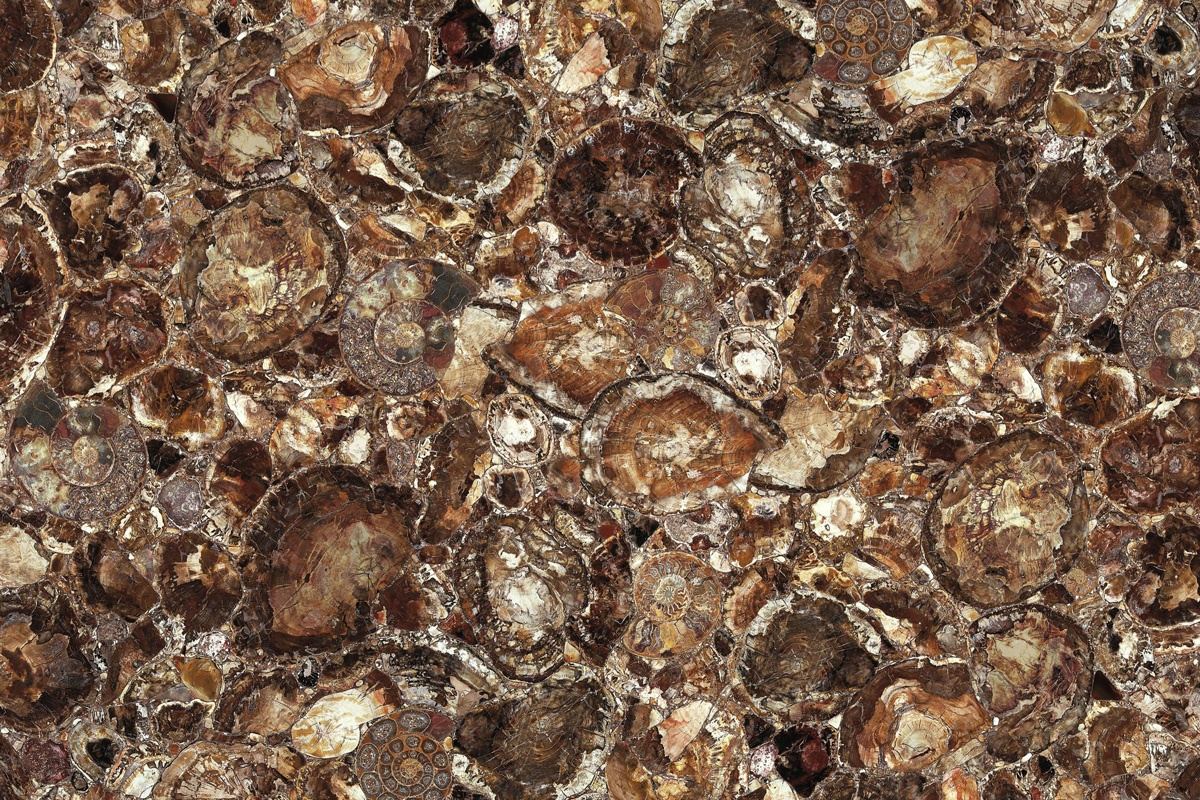
Legno Pietrificato
Semi-precious stones · Read the guide →