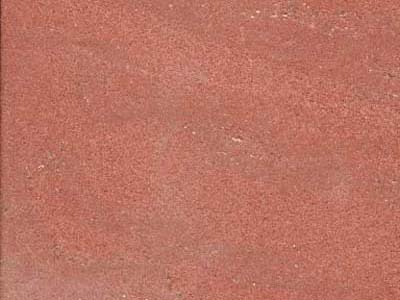
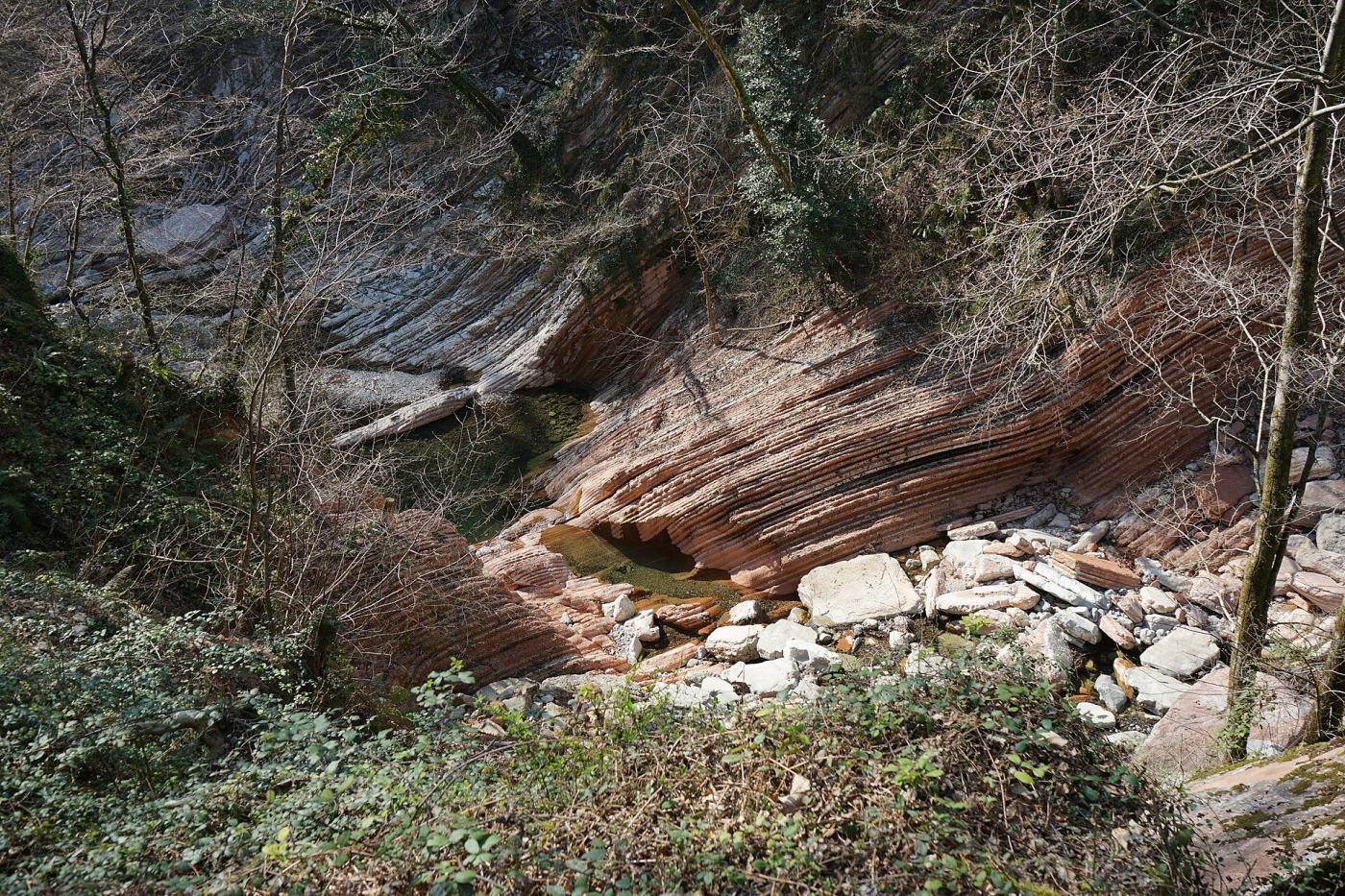
 Foto: Bild-Sprache · CC BY-SA 4.0 · Wikimedia Commons
Rosso Ammonitico Veronese: complete guide
Rosso Ammonitico Veronese is a red Jurassic nodular limestone, often rich in fossil ammonites. It is chosen for its warm colour and its strong link with Venetian architecture.
History and origin
It is a rock formation widespread in the Venetian and Trentino Pre-Alps, particularly around Verona. For centuries it has supplied material for buildings, floors, steps, portals and street furniture in the city and surrounding area. The commercial materials known as Rosso Verona belong to this same geological family. Marmi di Carrara supplies it on request.
Look and veining
The background is red, pinkish or red-brown, with lighter nodules and fine dark sutures. Many slabs show sections of ammonites, which are its most recognisable feature. Honed or polished, it shows fossils and nodules well, while outdoors the surfaces tend to fade over time.
Technical properties (indicative)
| Classification | nodular limestone |
|---|---|
| Density | approx. 2,650-2,700 kg/m³ (indicative) |
| Mohs hardness | approx. 3 |
| Water absorption | low |
| Main use | interiors and exteriors |
| Acid resistance | low: sensitive to lemon, vinegar and limescale removers |
Recommended uses
It is suitable for floors, stairs, thresholds, cladding, bathrooms and restoration. Outdoors it is traditional for steps, cornices and paving, preferably with honed or bush-hammered finishes. It is not recommended for kitchen worktops because of its sensitivity to acids.
Care and maintenance
Clean with neutral detergents and protect with a water- and oil-repellent product. Avoid acidic products, which dull and fade the red. Outdoors, check the joints periodically to prevent water ingress.
Pairings
- Pietra di Vicenza or Botticino for light contrasts
- wrought iron and brass
- chestnut wood
FAQ
How does it differ from Rosso Verona?
Rosso Verona is the trade name for the finest, most polishable selections of the same type of nodular limestone.
Are ammonites always present?
No, their presence varies greatly: if they matter for the project, it is best to choose the slabs from photos.
Can it be used outdoors?
Yes, it is a traditional stone for exteriors; however the polish is lost and the colour tends to fade, so matt finishes are better.
How do I order it?
Send us quantities, thicknesses and finish: we will send you a quote and photos of the available material.
Rosso Ammonitico Veronese: available on request
We supply this stone as blocks, slabs, tiles and custom-made pieces. Tell us size, thickness and quantity: we will send photos of the available slabs and a quote within 24 hours.
Similar materials
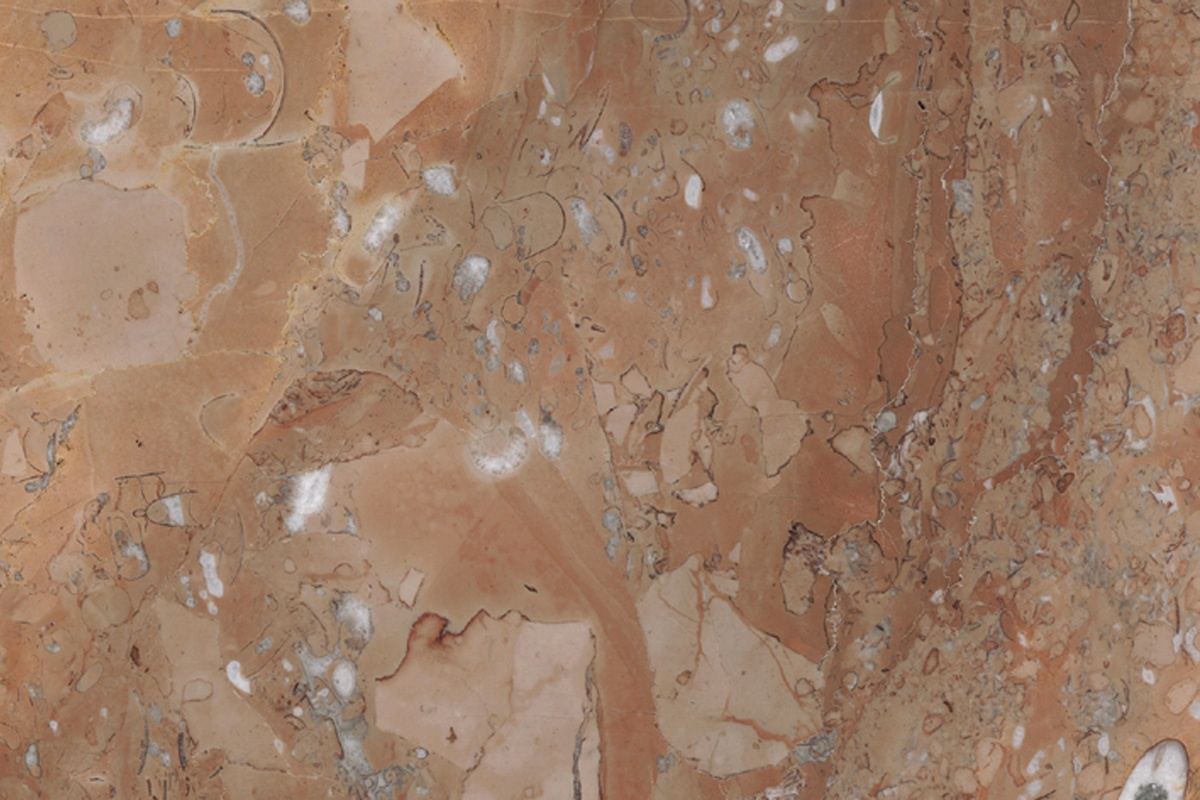
Noisette Fleury
Stones and limestones · Read the guide →
Pietra Di Chassagne
Stones and limestones · Read the guide →
Pietra Di Buxy
Stones and limestones · Read the guide →
Arenaria Bansi Pink
Stones and limestones · Read the guide →
Ardesia Plum
Stones and limestones · Read the guide →
Arenaria Di Dietenhan
Stones and limestones · Read the guide →
Arenaria Di Božanov
Stones and limestones · Read the guide →