Trani Stone Fiorito: the complete guide
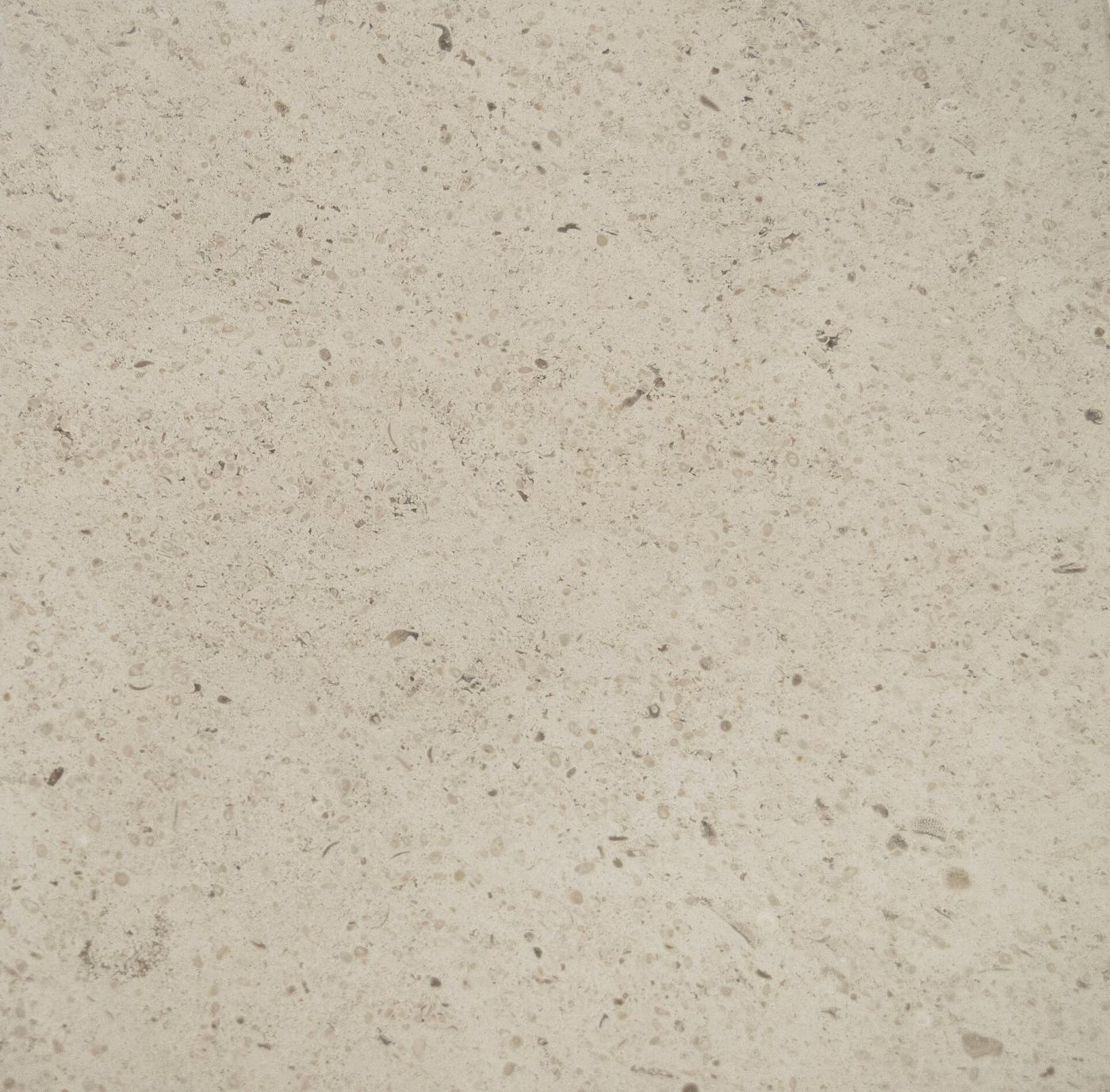
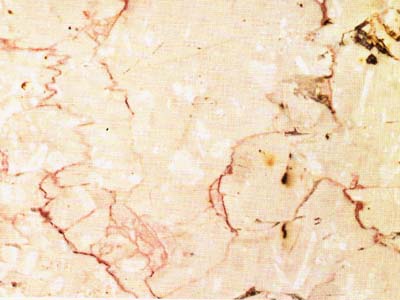
Trani Stone Fiorito is a compact limestone from Apulia, with a beige background and a pattern of spots and clouding reminiscent of flowers. It is chosen for interiors seeking the tradition of Mediterranean stone with a livelier look than the light variety.
History and origin
Trani stone is quarried in the area north of Bari, between Trani and the neighbouring towns, and has for centuries been one of the emblematic materials of Apulian architecture. Churches, palaces and historic buildings of the Adriatic coast were built with it, and it is still widely used today for floors, stairs and cladding. In the trade it is often referred to as Trani marble because of its ability to take a polish. Marmi di Carrara supplies it on request.
Look and veining
The beige background is enlivened by lighter or darker spots, small veins and clouding that form the typical flowery pattern. The intensity of the pattern changes between slabs, and it is precisely this variability that gives liveliness to large surfaces. Polished, it takes on a marble-like appearance, while honed, brushed or antiqued it is warmer and more rustic.
Technical properties (indicative)
| Classification | compact limestone (commercial marble) |
|---|---|
| Bulk density | approx. 2,600 kg/m³ (indicative) |
| Mohs hardness | approx. 3 |
| Water absorption | low-medium |
| Main use | interiors and exteriors |
| Acid resistance | low: sensitive to citrus, vinegar and limescale removers |
Recommended uses
It is suitable for floors, stairs, thresholds, windowsills, cladding and bathrooms. It is traditionally used outdoors, preferably with textured finishes; in the kitchen it calls for care because of its sensitivity to acids.
Care and maintenance
Cleaning should be done with neutral detergents, avoiding limescale removers and acidic products. A water- and oil-repellent impregnating sealer helps limit stains; outdoors it is advisable to renew it periodically.
Pairings
- olive and chestnut wood
- wrought iron and coloured majolica
- white or sand-coloured lime plaster
FAQ
What is the difference between Trani Fiorito and Trani Chiaro?
They are varieties of the same stone: Chiaro has a more uniform and bright background, Fiorito a livelier pattern with spots and clouding. Technical performance is similar.
Can it be installed outdoors?
Yes, it is a stone traditionally used outdoors. For outdoor paving and stairs it is best to choose slip-resistant finishes such as bush-hammered or sandblasted.
Is it suitable for floors at home?
Yes, it is one of its most typical uses. The honed or polished finish should be protected with a treatment and cleaned with neutral products to maintain its appearance.
How do I order it?
Send us the dimensions and formats you want, including for fabricated pieces such as steps and thresholds: we will send you a quote with photos of the available slabs.
Pietra Di Trani Fiorito: available on request
We supply this stone as blocks, slabs, tiles and custom-made pieces. Tell us size, thickness and quantity: we will send photos of the available slabs and a quote within 24 hours.
Similar materials
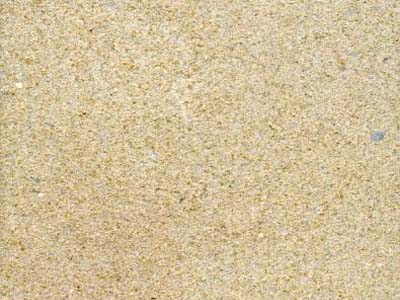
Arenaria Peak Moor
Stones and limestones · Read the guide →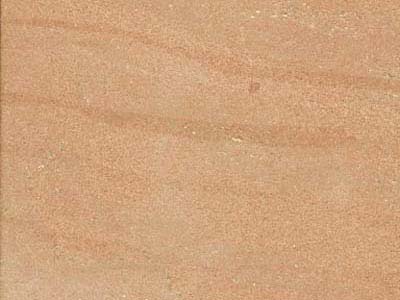
Arenaria Donnybrook
Stones and limestones · Read the guide →
Pietra Di Trani Chiaro
Stones and limestones · Read the guide →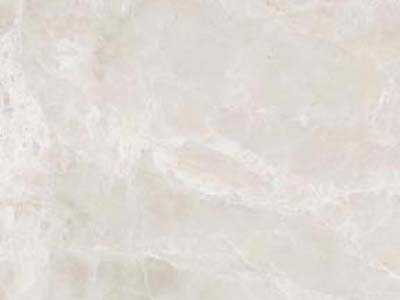
Levadia Beige
Stones and limestones · Read the guide →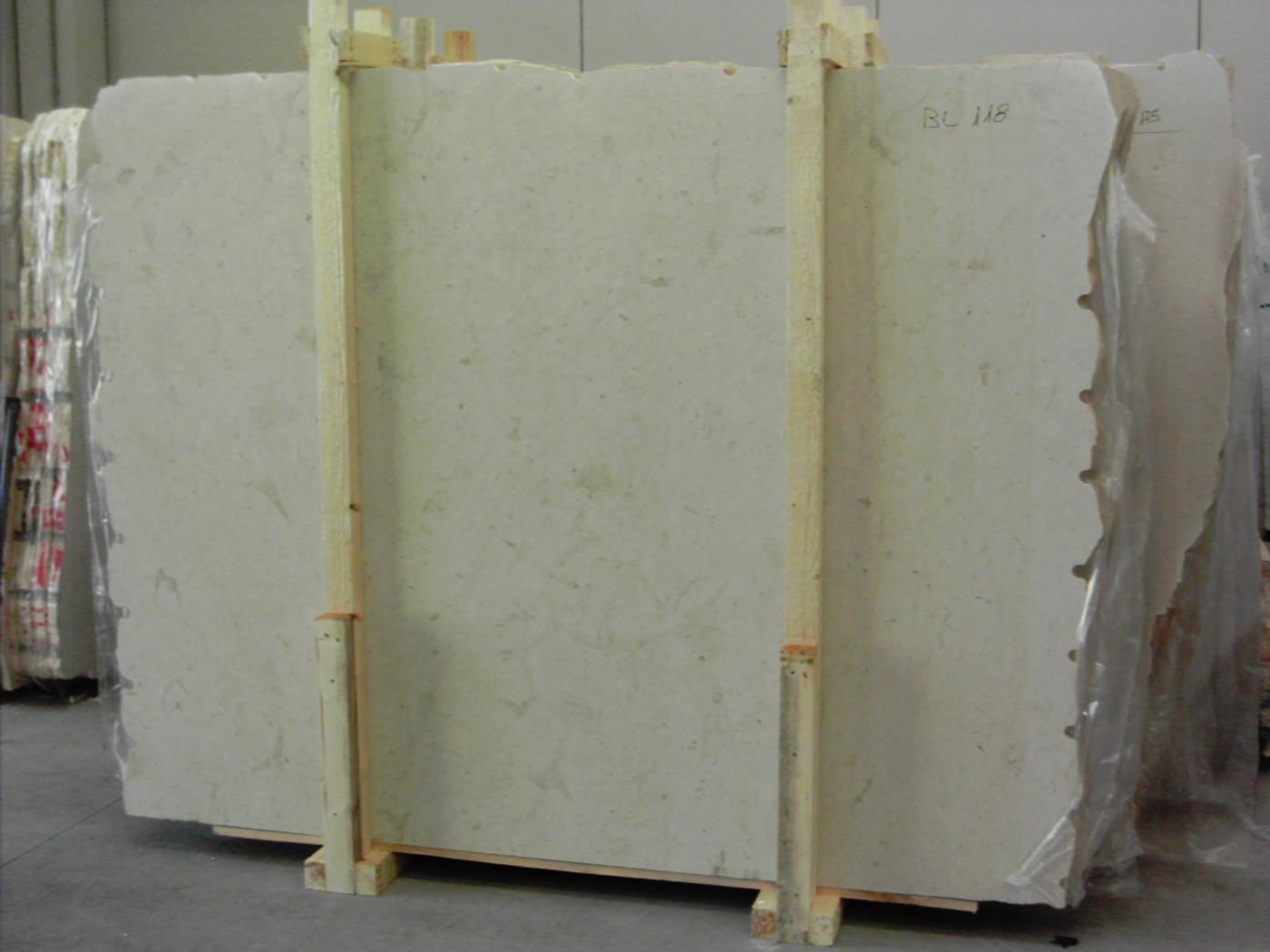
Desert Stone
Stones and limestones · Read the guide →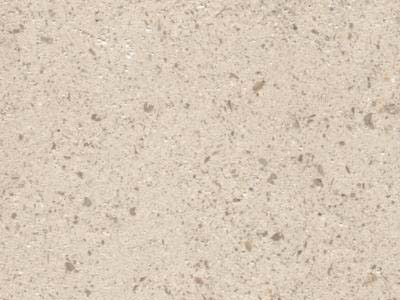
Pietra Di Anstrude
Stones and limestones · Read the guide →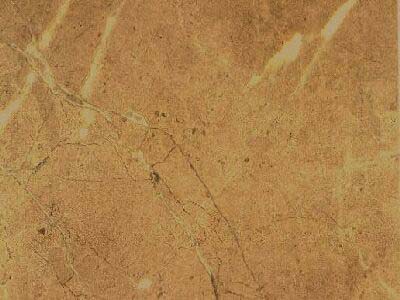
Ligourio
Stones and limestones · Read the guide →