Jaumont Stone: complete guide
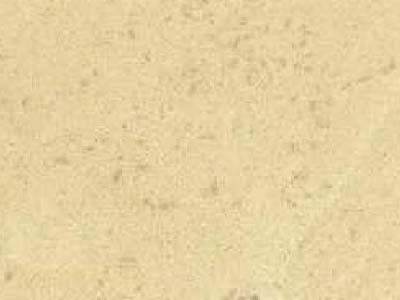
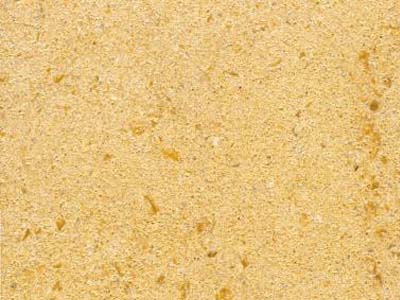
Jaumont Stone is an oolitic limestone from Lorraine with a characteristic ochre-yellow colour. It is chosen for its warm, bright tone and its long tradition in the architecture of the Metz area.
History and origin
It is quarried in north-eastern France, north of Metz, where for centuries it has been the typical building material for façades, churches and civic buildings. Its golden colour has given the local townscape a recognisable character. Today it is also used in restoration and in contemporary projects looking for a warm limestone with character. Marmi di Carrara supplies it on request.
Look and veining
The background is ochre yellow, sometimes tending towards honey or rust, with a fine oolitic grain and small fossil fragments. Variations in tone between blocks and slabs are normal and part of its charm. Honed or brushed, it retains a matt, natural look, while bush-hammering accentuates its texture.
Technical properties (indicative)
| Classification | oolitic limestone (calcareous stone) |
|---|---|
| Density | approx. 2,200-2,400 kg/m³ (indicative) |
| Mohs hardness | approx. 3 |
| Water absorption | medium |
| Main use | façades, cladding, restoration |
| Acid resistance | low: sensitive to vinegar, citrus and anti-limescale products |
Recommended uses
It is suitable for façade cladding, cornices, window sills, exposed masonry and interior walls. It can be used for interior floors with moderate traffic; it is not recommended for kitchen worktops or areas very exposed to staining.
Care and maintenance
Clean with neutral detergents and water, avoiding anti-limescale and acidic products. A water- and oil-repellent treatment reduces dirt absorption; outdoors, joints and protective treatments should be checked periodically.
Pairings
- white or sand-coloured lime plaster
- natural oak window frames
- burnished iron or cast iron details
FAQ
What is the difference between Jaumont Stone and other beige French limestones?
Its distinctive feature is its more saturated, warmer ochre-yellow colour, linked to the presence of iron oxides; many French limestones are instead cream or light beige.
Can it be used outdoors?
Yes, it is traditionally a façade stone; frost resistance should nevertheless be checked for the batch and the specific application, especially for outdoor paving.
Which finishes are available?
The most common are honed, brushed, sandblasted and bush-hammered; polishing is not well suited to this type of oolitic limestone.
How can I order it?
It is ordered on request: tell us the formats, thicknesses and quantities and we will send you a quotation and photos of the available blocks or slabs.
Pietra Di Jaumont: available on request
We supply this stone as blocks, slabs, tiles and custom-made pieces. Tell us size, thickness and quantity: we will send photos of the available slabs and a quote within 24 hours.
Similar materials
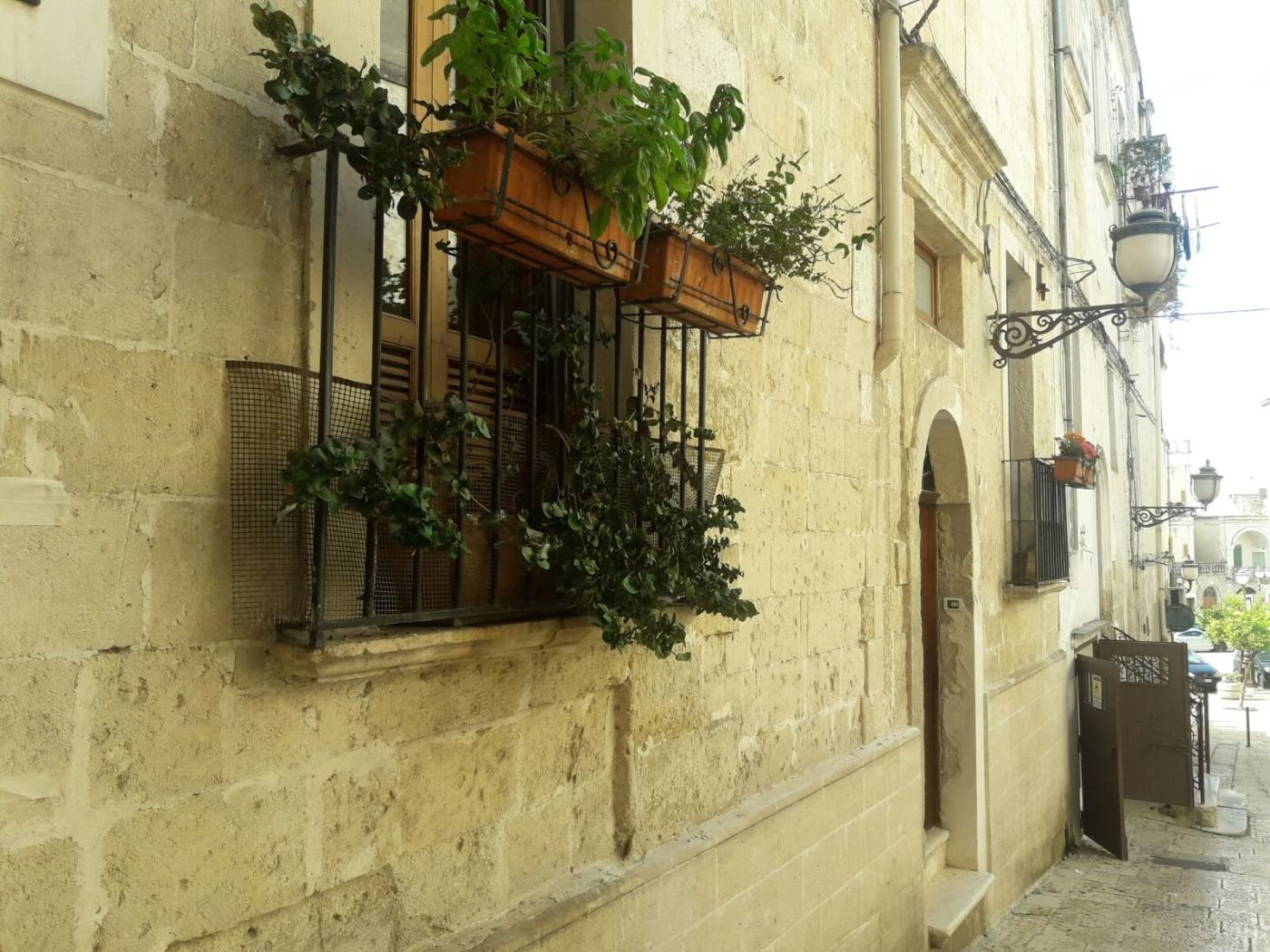
Pietra Leccese
Stones and limestones · Read the guide →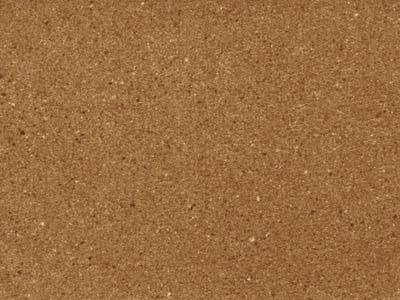
Arenaria Di Udelfangen
Stones and limestones · Read the guide →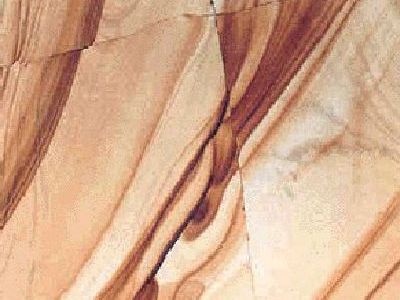
Arenaria Teak
Stones and limestones · Read the guide →
Pietra Di Züschen
Stones and limestones · Read the guide →
Arenaria Di Burgpreppach
Stones and limestones · Read the guide →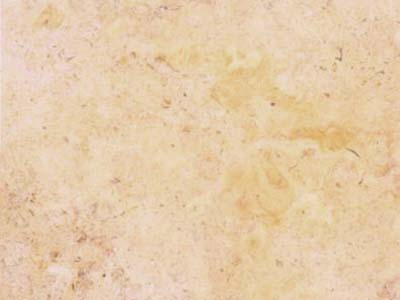
Pietra Di Gerusalemme
Stones and limestones · Read the guide →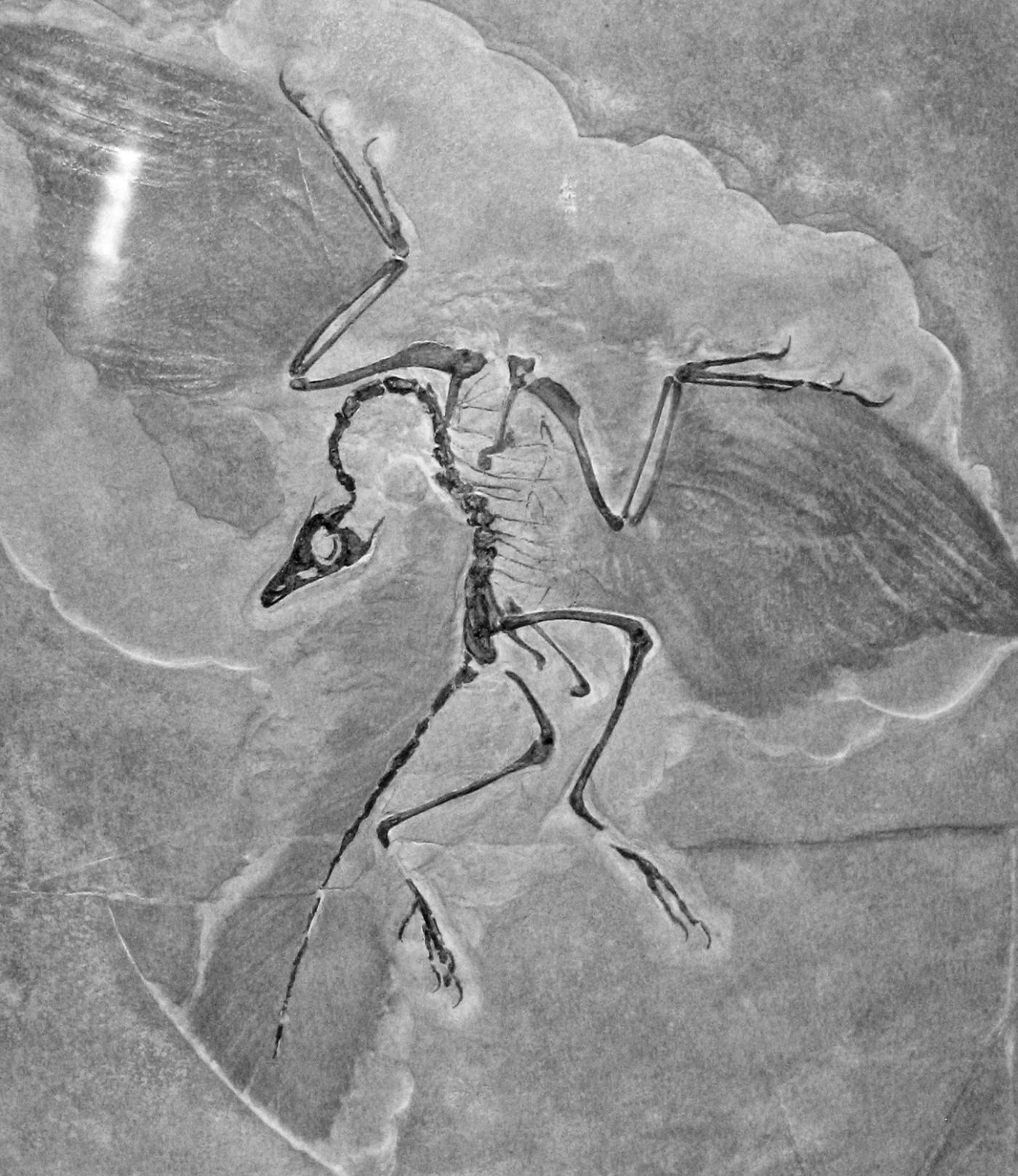
Pietra Di Solnhofen
Stones and limestones · Read the guide →