
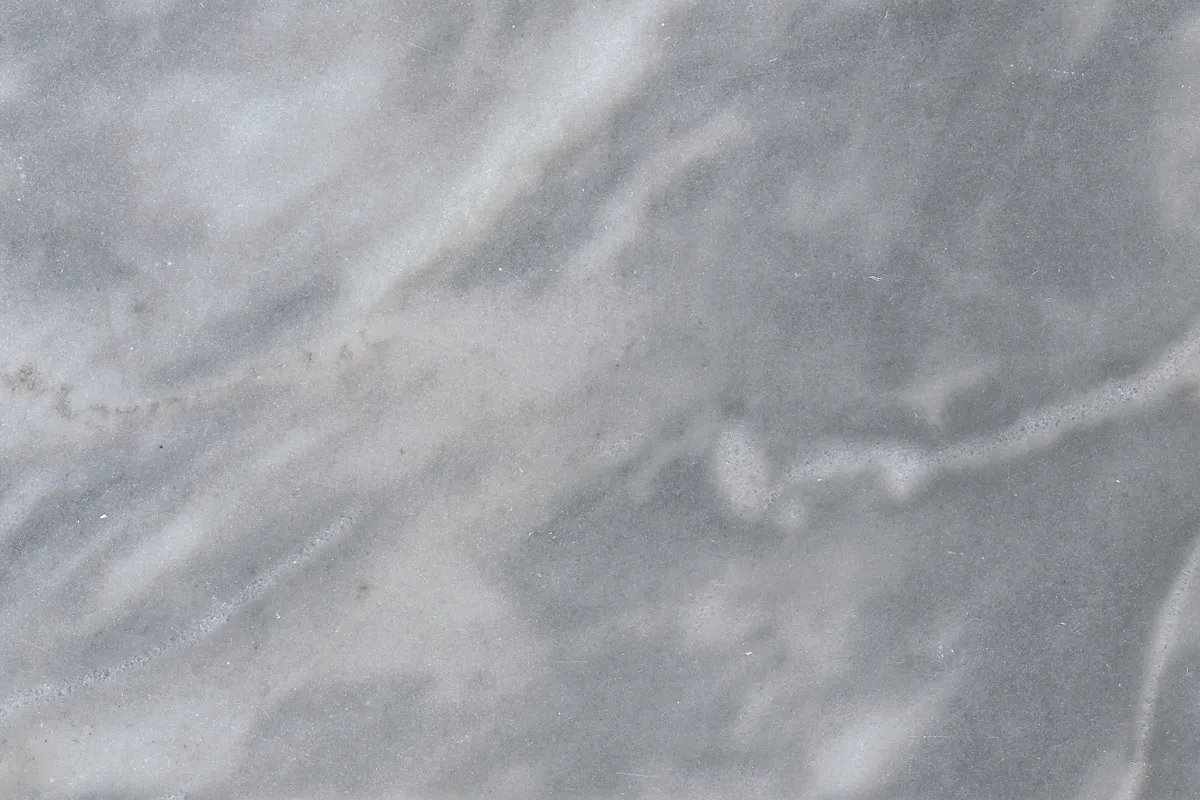
Marmo Bardiglio: Complete Guide
Marmo Bardiglio is an Italian natural stone prized for its understated elegance. Discover its characteristics, recommended uses, and maintenance tips.
History and origin
Bardiglio comes mainly from quarries in Lombardy, particularly the Val d'Intelvi area, where the geological formation dates back to the Triassic period. Historically used in the decoration of noble palaces and churches, it gained popularity in the 19th century for its gray‑blue tones. Today it is employed in both traditional architecture and contemporary design projects, thanks to its versatility and the availability of slabs in various sizes.
Look and veining
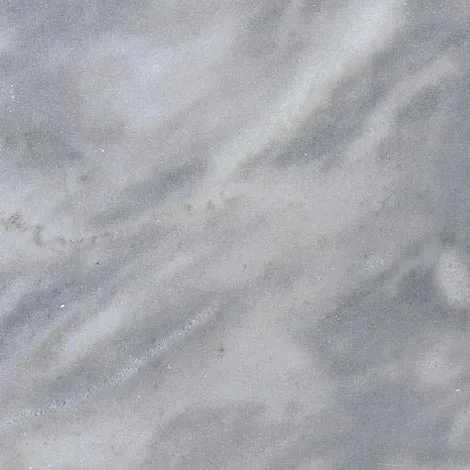
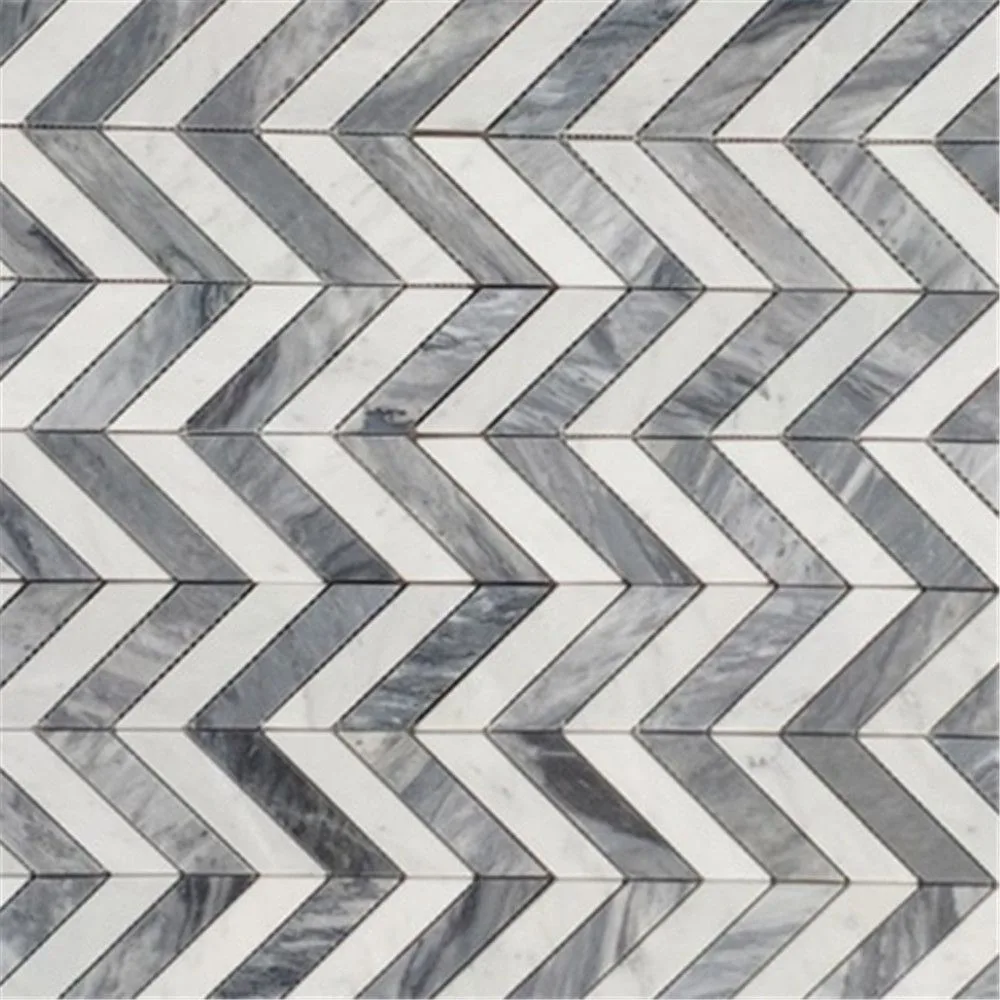
Bardiglio features a light gray base with bluish or greenish shades, crossed by thin, irregular darker veins. Variants include cooler or warmer tones depending on the source quarry, but they always retain a refined and discreet appearance.
Technical properties (indicative)
| Hardness (Mohs) | 3.5-4 |
|---|---|
| Water absorption | 0.3-0.5% |
| Freeze resistance | Good, but requires sealing in outdoor environments |
| Acid resistance | Sensitive to strong acids, requires neutral cleaning |
| Density | 2.70-2.78 g/cm³ |
Recommended uses
Bardiglio is ideal for flooring, wall cladding, kitchen countertops, and bathrooms, thanks to its moderate wear resistance and elegant look. It is less suitable for surfaces subject to heavy abrasion or continuous contact with aggressive acids, such as chemical labs. For outdoor settings, the use of sealing products is recommended to protect it from freeze and weathering.
Care and maintenance
Clean regularly with warm water and soft cloths; avoid acidic or abrasive cleaners. Apply a penetrating sealant every 2‑3 years to maintain water and freeze resistance. For stubborn stains, use marble‑specific neutral‑pH products and dry immediately.
Pairings
- Paired with light wood for a warm‑natural contrast.
- With stainless‑steel accents for a modern, minimalist look.
FAQ
Can Bardiglio be used outdoors?
Yes, but proper sealing is recommended to protect it from freeze and rain.
What is the best finish for flooring?
A polished finish enhances shine, while a slip‑resistant finish is preferable for bathrooms and wet areas.
Does Marmo Bardiglio require special maintenance?
It requires gentle cleaning and periodic sealing to preserve its appearance and durability.
Is it suitable for kitchen countertops?
Yes, but it is advisable to use cutting boards and protect the surface from food acids.
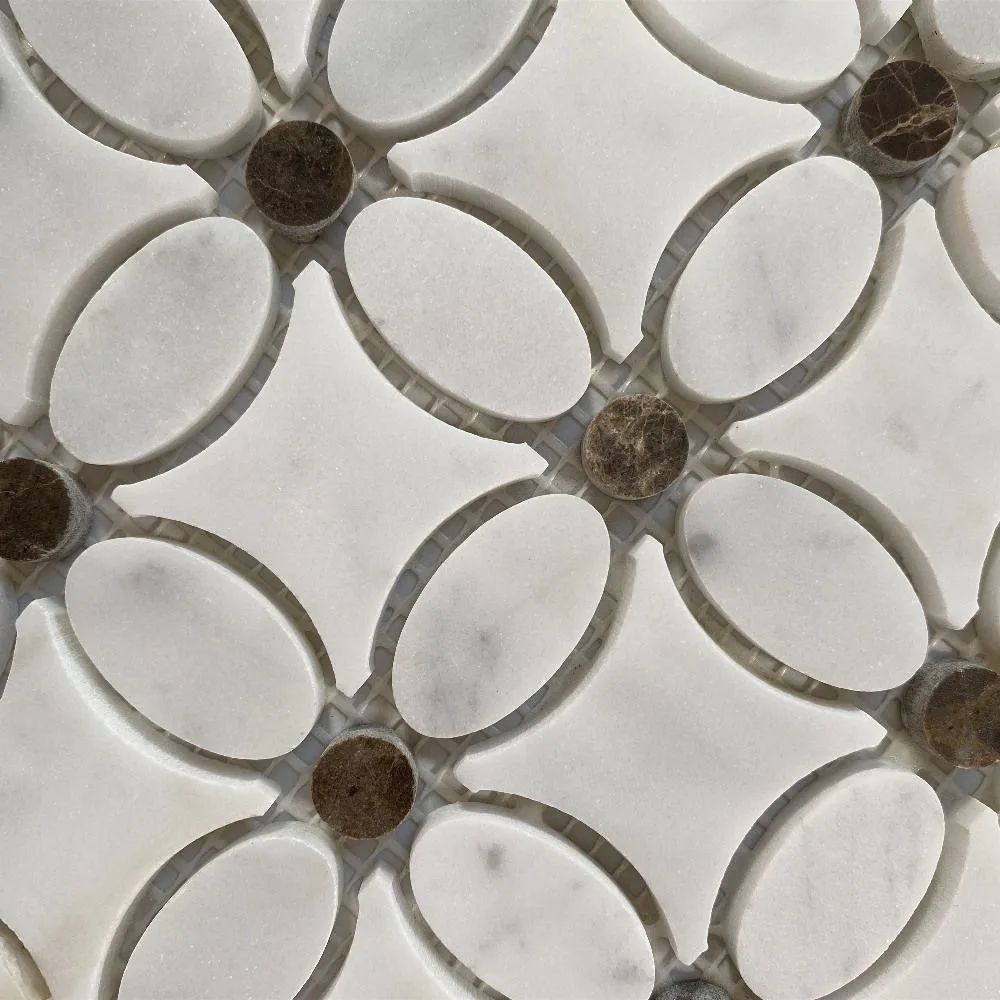
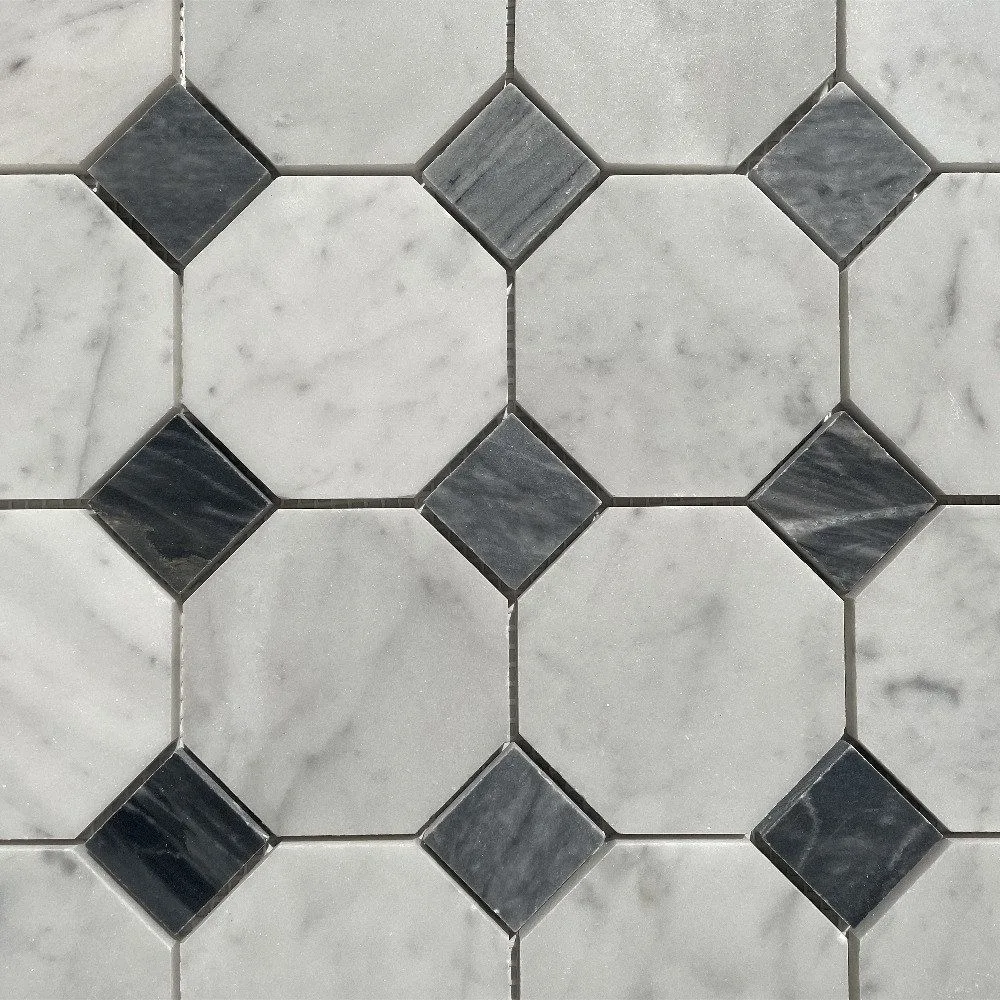
Products in Bardiglio
Similar materials

Elazig Cherry
Marbles · Read the guide →
Cremo Tirreno
Marbles · Read the guide →
Verde Larissa
Marbles · Read the guide →
Arabescato Tombaccio
Marbles · Read the guide →
Bianco Lasa
Marbles · Read the guide →
Milas New York
Marbles · Read the guide →
Striato Olimpico
Marbles · Read the guide →