Heilbronn Sandstone: complete guide
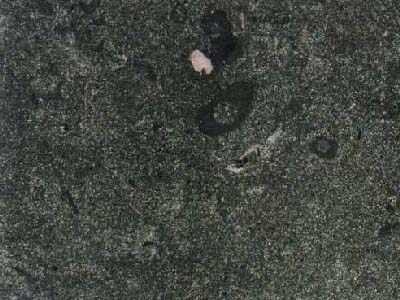
Heilbronn Sandstone is a fine-grained German sandstone with a characteristic grey-green tone. It is chosen for its understated appearance and its long tradition in the historic buildings of south-western Germany.
History and origin
It comes from the Heilbronn area, in Baden-Württemberg, and is one of the Triassic sandstones known in Germany as Schilfsandstein. It has been widely used for churches, public buildings and sculptural decoration in the region, as well as in restoration. Today it is offered for façades, paving and dressed stonework. Marmi di Carrara supplies it on request.
Look and veining
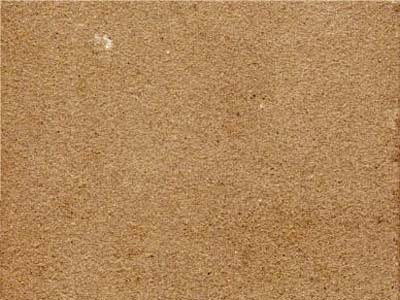
The background is grey-green, sometimes with yellowish nuances and thin brown veins or spots due to iron oxides. The grain is fine and homogeneous, with slight variations in tone between blocks. Traditional chiselled, bush-hammered or matt honed finishes bring out its artisan character.
Technical properties (indicative)
| Classification | sandstone (Schilfsandstein) |
|---|---|
| Density | approx. 2,100-2,300 kg/m³ (indicative) |
| Mohs hardness | quartz grains ~7, softer binder |
| Water absorption | medium |
| Main use | façades, dressed stone, restoration |
| Acid resistance | fair: aggressive detergents should nonetheless be avoided |
Recommended uses
It is suitable for façades, plinths, cornices, sculptures, walls and outdoor stairs, as well as interior floors and cladding. It is not suitable for kitchen work surfaces because of its porosity.
Care and maintenance
Outdoors it is cleaned with water and a brush, avoiding aggressive sandblasting; any consolidants or water repellents should be chosen with a specialist, especially in restoration. Indoors a neutral detergent is sufficient.
Pairings
- warm white lime plaster
- clay tile or slate roofing
- spruce or larch
FAQ
What is Schilfsandstein?
It is the German name for a group of fine-grained Triassic sandstones found in south-western Germany; Heilbronn Sandstone is a typical example.
Is it suitable for restoring historic buildings?
Yes, it is traditionally used for work on the region's sandstone buildings; in restoration it is important to choose a stone compatible in colour and porosity.
Can it be carved?
Yes, its fine, homogeneous grain makes it suitable for sculptures, ornaments and worked profiles.
How can I order it?
On request: for blocks, slabs or pieces made to drawing, send us the project and we will prepare a quotation and photos of the material.
Arenaria Di Heilbronn: available on request
We supply this stone as blocks, slabs, tiles and custom-made pieces. Tell us size, thickness and quantity: we will send photos of the available slabs and a quote within 24 hours.
Similar materials
Arenaria Della Ruhr
Stones and limestones · Read the guide →
Arenaria Di Mucharz
Stones and limestones · Read the guide →
Arenaria Di Maulbronn
Stones and limestones · Read the guide →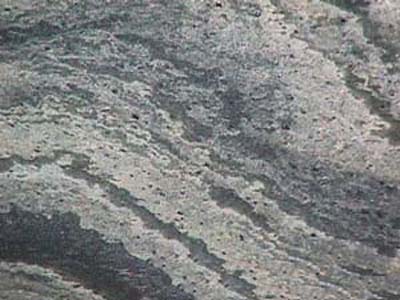
Ardesia Zeera Green
Stones and limestones · Read the guide →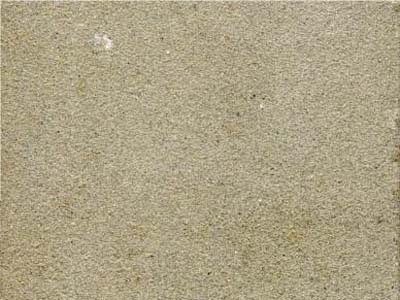
Cantera Verde
Stones and limestones · Read the guide →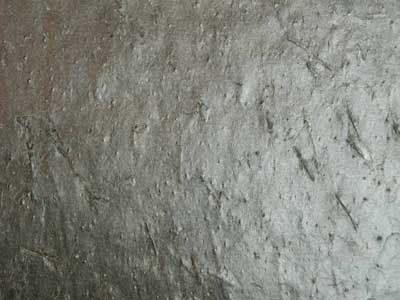
Ardesia Otta
Stones and limestones · Read the guide →
Arenaria Di Heuchelberg
Stones and limestones · Read the guide →