Picture Sandstone: the complete guide
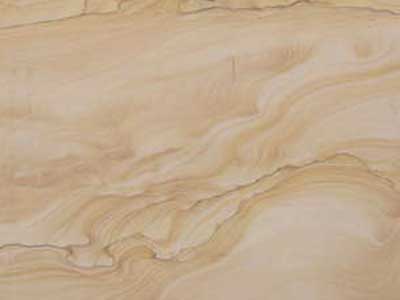
Picture Sandstone is an Indian stone with beige and brown banded patterns reminiscent of painted landscapes. It is chosen for cladding and floors with a warm, natural character.
History and origin
It comes from Rajasthan, the state in north-western India where much of the Indian sandstone exported worldwide is quarried. Sandstone has been used for centuries in local architecture, from temples to palaces. The name «picture» refers to the banded patterns that, in some slabs, evoke hills and horizons. Marmi di Carrara supplies it on request.
Look and veining
The beige background is crossed by brown, ochre and rust bands and undulations due to iron oxides. The pattern changes greatly from one piece to another, making every installation unique. The natural cleft finish retains the relief; honing and brushing make the colour bands stand out more.
Technical properties (indicative)
| Classification | sandstone (quartz-grain sedimentary rock) |
|---|---|
| Bulk density | approx. 2,300 kg/m³ (indicative) |
| Mohs hardness | variable: quartz grains ~7 bound by a softer cement |
| Water absorption | medium |
| Main use | cladding and floors, interiors and exteriors |
| Acid resistance | fair, but sensitive to strong acids and stains |
Recommended uses
Widely used for interior and exterior wall cladding, ventilated façades, terrace and courtyard floors, and pool surrounds. Not recommended for kitchen worktops, where its porosity encourages stain absorption.
Care and maintenance
Treat with a breathable water repellent to limit absorption, stains and moss. Clean with neutral detergents or products specific to porous stones, avoiding acids and high-pressure washers.
Pairings
- teak or acacia
- Mediterranean plants and light gravel
- wrought iron and terracotta
FAQ
Is sandstone frost-resistant?
Compact Indian sandstones are also used in cold climates, but resistance depends on the porosity of the lot: for exteriors with severe frost it is advisable to check the technical data sheets and treat with a water repellent.
How does it differ from travertine?
Travertine is a limestone with natural cavities, whereas sandstone is made of cemented sand grains: it has a more matt, granular appearance and colour bands due to iron oxides.
Can I use it in a bathroom?
Yes, for walls and floors, provided it is treated with a water repellent; in showers it is best to choose compact pieces and well-sealed joints.
How do I order it?
Tell us the formats, thicknesses and square metres: we will prepare a quote on request with photos of the material.
Arenaria Picture Sandstone: available on request
We supply this stone as blocks, slabs, tiles and custom-made pieces. Tell us size, thickness and quantity: we will send photos of the available slabs and a quote within 24 hours.
Similar materials
Eramosa
Stones and limestones · Read the guide →
Arenaria Burma Teak
Stones and limestones · Read the guide →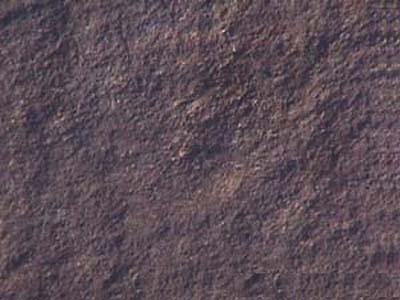
Ardesia Chocolate
Stones and limestones · Read the guide →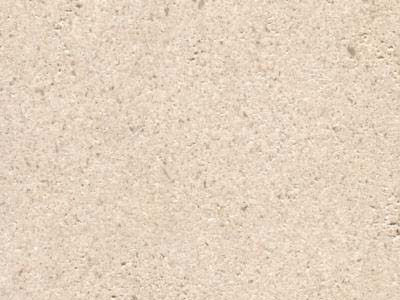
Pietra Di Chauvigny
Stones and limestones · Read the guide →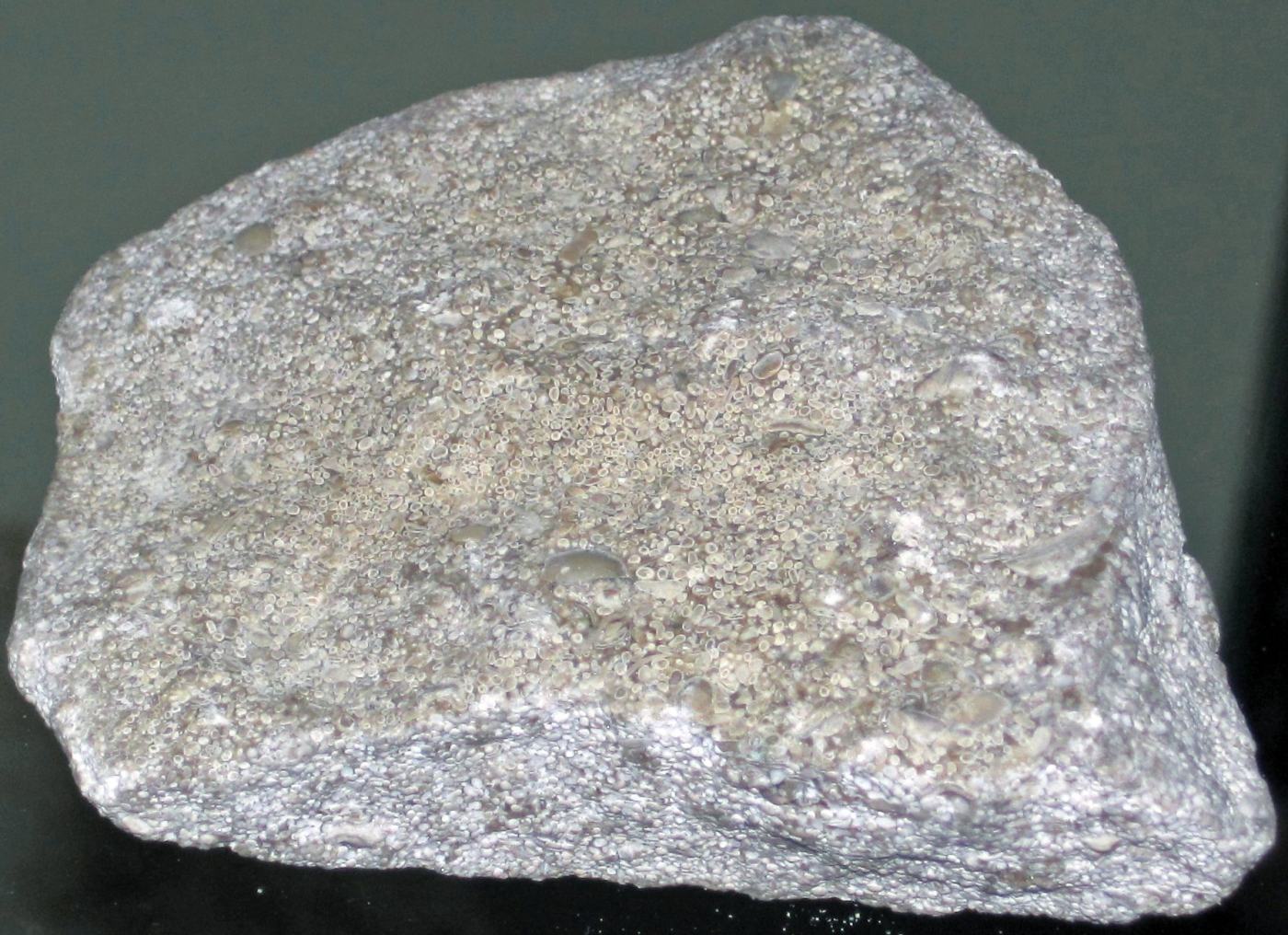
Indiana Limestone
Stones and limestones · Read the guide →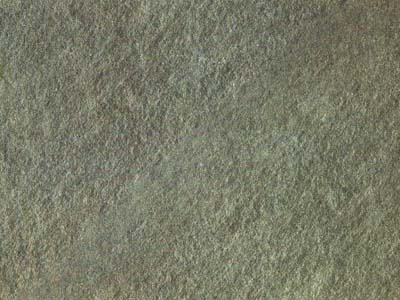
Ardesia Burlington
Stones and limestones · Read the guide →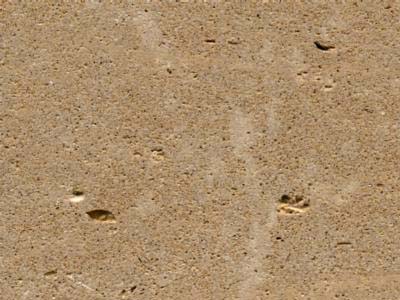
Pietra Di Savonnières
Stones and limestones · Read the guide →