Statuario Marble: Complete Guide
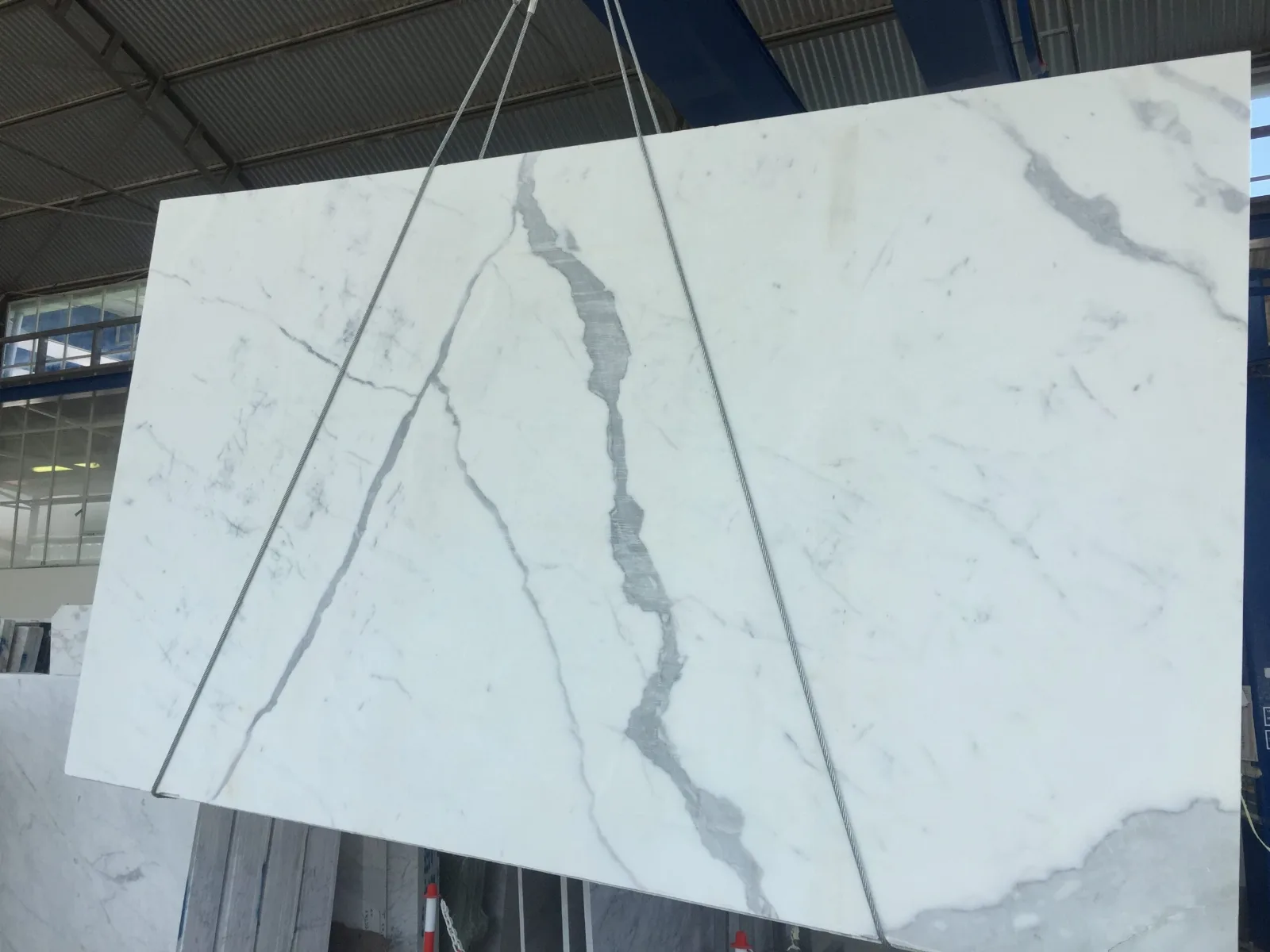
Statuario is Carrara's most precious white marble: a bright, luminous white background with distinct, spaced gray veining. It is the marble of sculptors and, today, of high-level interior design projects.
History and origin
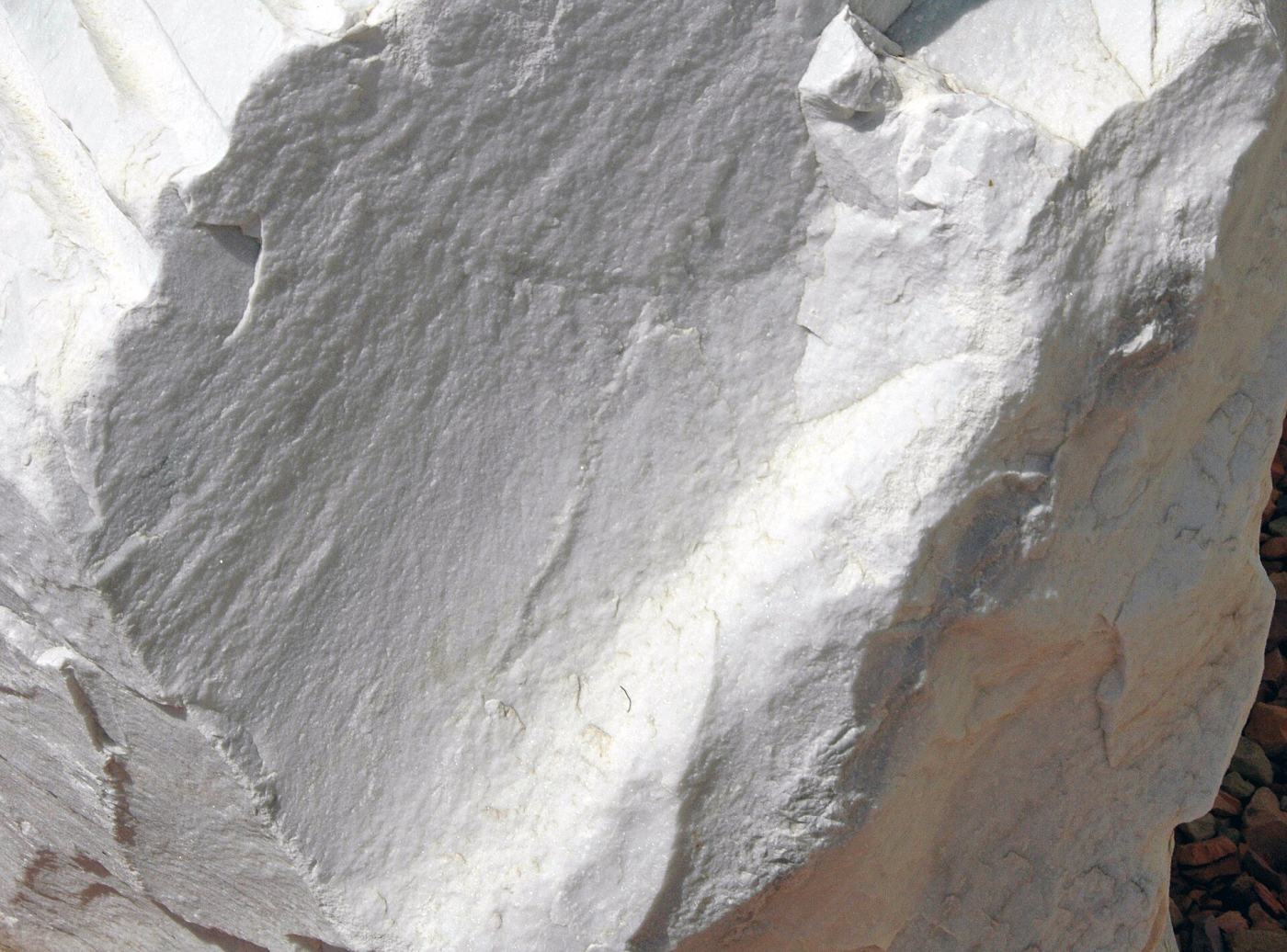
It is quarried from a few sites in the Apuan Alps, above Carrara, where the purest white marble beds are thin and discontinuous—making first-choice blocks rare. The name recalls its sculptural use: for centuries, master craftsmen have sought the most homogeneous and translucent marble in Carrara, and Michelangelo used the marble from these mountains to create his masterpieces. Marmi di Carrara selects blocks directly from the quarry and processes them in its own workshops since 1956.
Look and veining
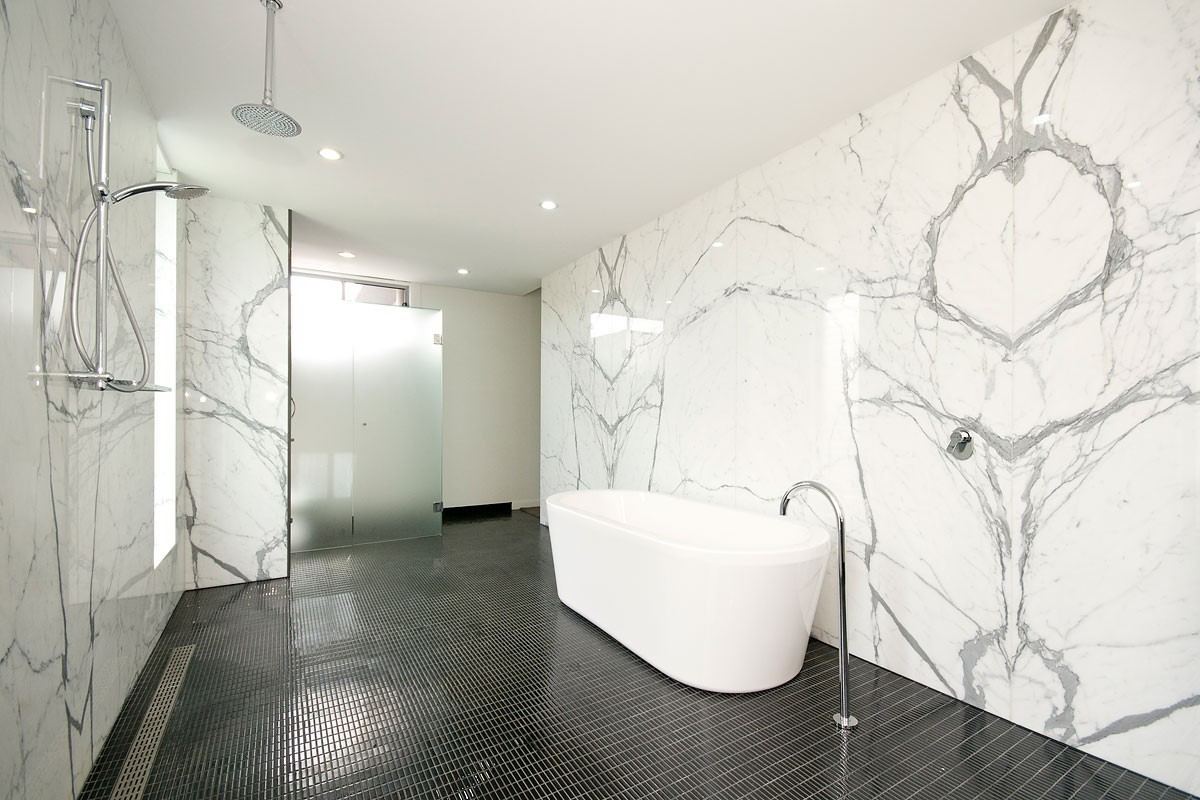
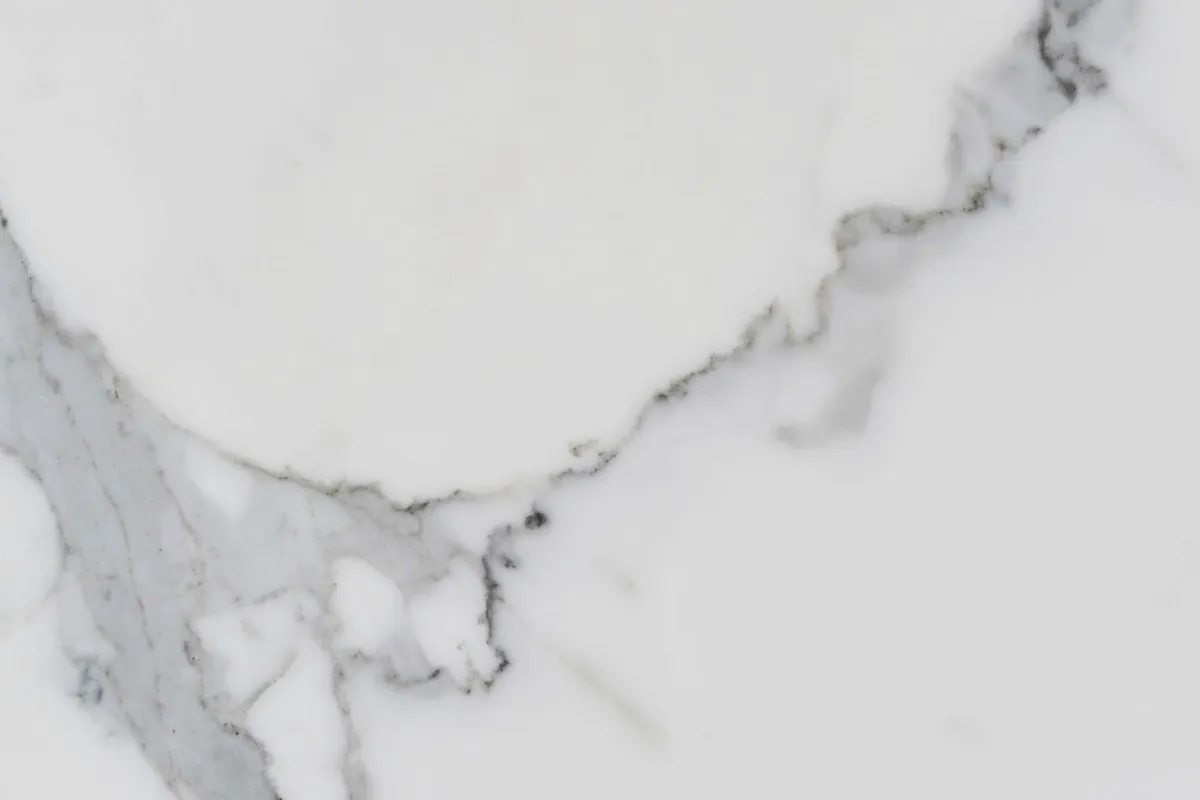
Pure white background with a slight translucency that adds depth to the polished surface. Veining is gray, ranging from pearl to anthracite, well-defined and not dense. Each block is unique: Statuario Extra (whiter background with sparse, elegant veining) and Statuario Venato (more pronounced pattern) stand out. For large surfaces, it is advisable to select slabs from the same block and lay them in an open book layout.
Technical properties (indicative)
| Classification | Calcitic marble |
|---|---|
| Compressive breaking strength | approximately 1,170 kg/cm² (Statuario Extra data sheet) |
| Flexural resistance | approximately 115 kg/cm² |
| Density | approximately 2,660 kg/m³ |
| Mohs hardness | approximately 3 |
| Acid resistance | low: vulnerable to lemon, vinegar, and descalers |
Recommended uses
Ideal for bathroom cladding, open-book wall layouts, show floors, fireplaces, tables, carved sinks, and custom furnishings. In the kitchen it is stunning but requires care: acids dull the polish on worktops, so a honed finish and thorough protective treatment are recommended. For outdoor areas or spaces prone to freezing, choose greater thicknesses and consult us on installation methods.
Care and maintenance
Clean with lukewarm water and pH-neutral detergents, drying with a soft cloth. Avoid acidic, abrasive, or chlorine-based products. An oleophobic-hydrophobic sealant applied after installation and renewed every 1–2 years reduces stains from oil, wine, and coffee. Blot spills immediately; any acid-induced dullness can be restored with professional re-polishing.
Pairings
- With brushed brass and warm woods for a contemporary classic look.
- With matte black and steel for a high-contrast minimalist bathroom.
- With Bardiglio or Grigio Carnico in checkerboard flooring or border bands.
FAQ
What is the difference between Statuario and Bianco Carrara?
Statuario has a whiter, brighter background with sharper, sparser gray veins, while Bianco Carrara features a light grayish background with fine, diffuse veining and is far more available, making it more affordable.
Is Statuario suitable for a kitchen countertop?
Yes, if you accept that over time it will develop a patina. A honed finish, proper protective treatment, and avoiding leaving lemon or vinegar on the surface are recommended.
Why do Statuario slabs cost more?
Because Statuario beds are rare and yield low from top-grade blocks. Price depends on how white the background is and how beautiful and consistent the veining is.
Can I get open-book slabs?
Yes: we cut consecutive slabs from the same block and arrange them symmetrically, ideal for walls, bathrooms, and fireplace facades.
What is the main difference between Calacatta and Statuario?
Although both are premium white marbles, Calacatta is distinguished by bolder, thicker, and more contrasting gray or golden-red veins, whereas Statuario features finer, linear veins and a generally whiter, brighter background, giving it a more elegant and uniform appearance.
What is the difference between Bianco Carrara and Statuario?
Bianco Carrara has a background tending toward light gray or off-white with finer, more diffuse, and often slightly faded veins. Statuario offers a whiter, brighter background with sharper, well-defined, and sparser gray veins. Additionally, Statuario is much rarer and more expensive, while Carrara remains an accessible and versatile choice.
Is Statuario suitable for high-traffic floors?
Statuario is a delicate and porous marble, so it requires attention in heavily trafficked areas: it tends to scratch and yellow over time if untreated. If choosing it for flooring, opt for a protected rough or honed finish, but carefully consider more durable alternatives such as Calacatta Gold or other less delicate marbles to maximize longevity.
What is the difference between Calacatta and Statuario? (in two sentences)
Calacatta features thicker, bolder veins—often gold-reddish—on a white background with subtle gray undertones, while Statuario has thin, linear gray veins on a whiter, more uniform background. Both are prestigious, but Calacatta is more striking, whereas Statuario appears more elegant and understated.
Hi, what’s the difference between Bianco Carrara and Statuario?
Bianco Carrara is characterized by a light gray or off-white background with fine, diffuse, and sometimes softened veins, and it is far more abundant on the market. Statuario, conversely, offers a whiter, brighter background with sharp, slender, and sparse gray veins, making it rarer and more costly. The choice depends on the desired visual effect and budget.
What is the best way to maintain a Statuario countertop in the kitchen?
To preserve the beauty of a Statuario countertop, we recommend choosing a honed finish and regularly applying a specific marble sealer, avoiding acids such as lemon or vinegar. Clean with soft cloths and neutral detergents, wipe up spills immediately, and use coasters to protect the surface from staining and patina formation over time.
Products in Statuario
Similar materials
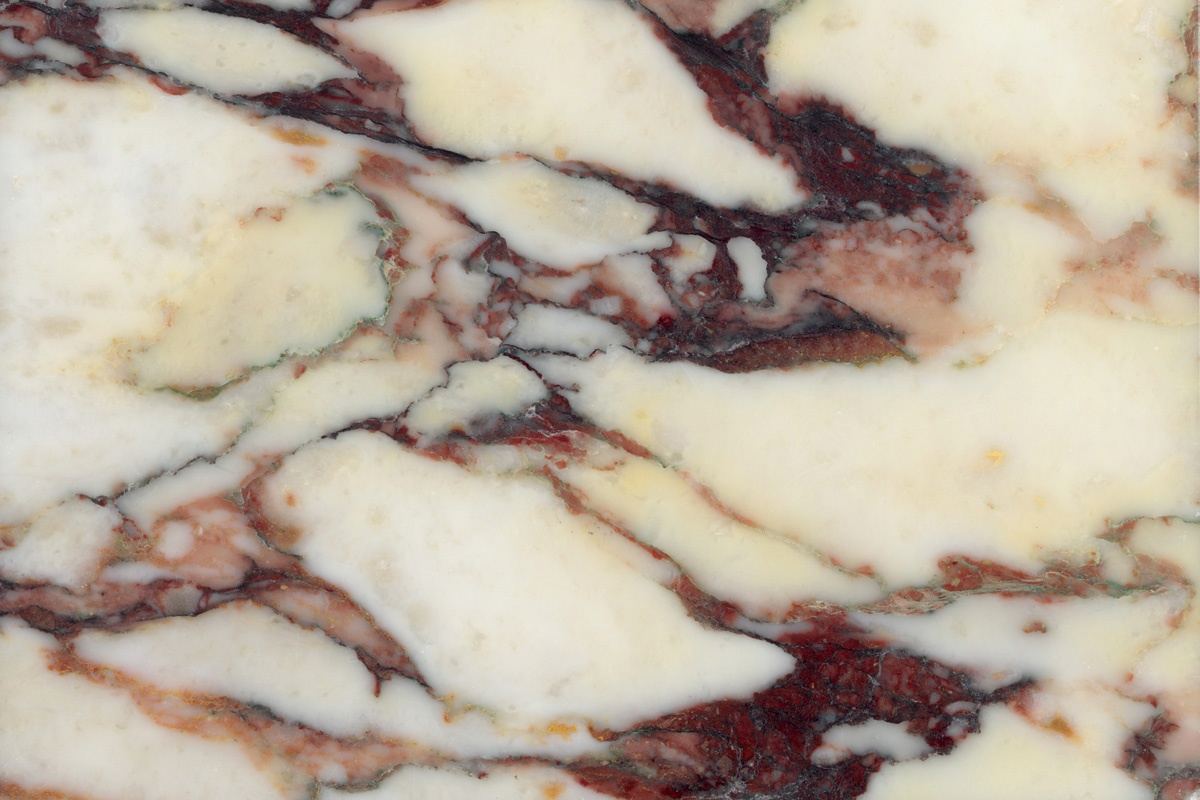
Calacatta Viola
Marbles · Read the guide →
Milas New York
Marbles · Read the guide →
Arabescato Garfagnana
Marbles · Read the guide →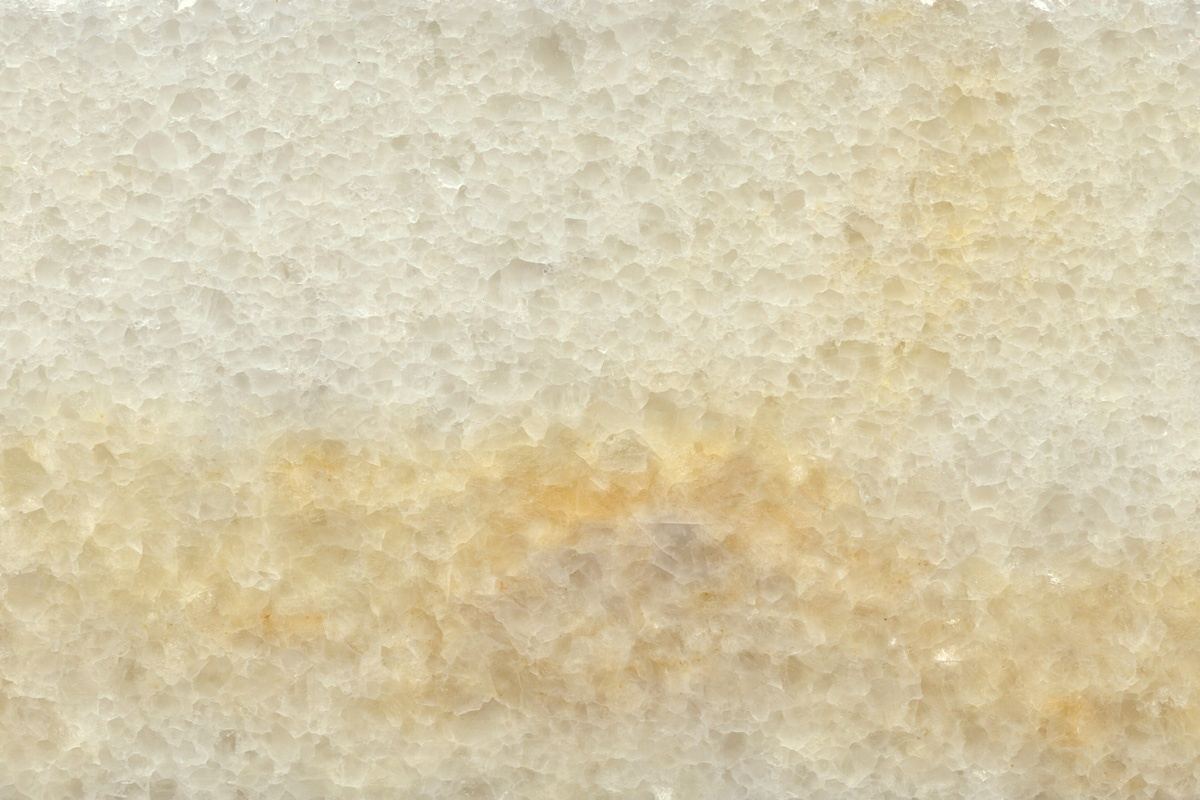
Afyon Gold
Marbles · Read the guide →
Blanco Macael
Marbles · Read the guide →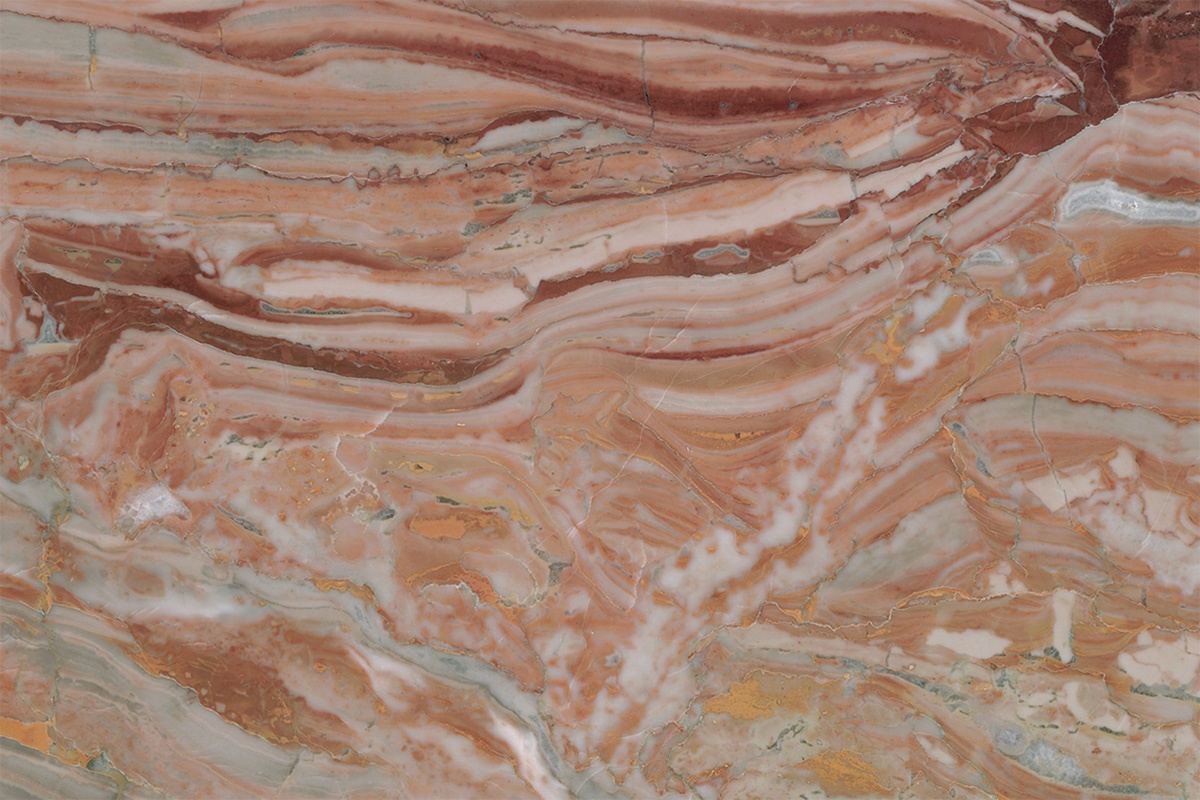
Arabescato Orobico Rosso
Marbles · Read the guide →
Bianco Rosa
Marbles · Read the guide →