Natural Stone Inlay: Guide to Decorative Mosaics
Natural stone inlay is a technique that transforms marble, travertine, and other materials into unique decorative works. Each piece is composed of selected fragments to create complex, timeless designs.
History and origin
The tradition of stoneworking inlay has its roots in antiquity, with examples dating back to Roman and Byzantine art. Over the centuries, this technique evolved into a distinctive element of Italian architecture, especially in regions with established marble quarries. Today, inlay mosaics are produced with modern technologies that preserve the authenticity of natural materials, allowing classical motifs such as arabesques, floral geometries, and organic patterns to be recreated with great precision. The provenance of the materials varies, but the craftsmanship requires specialized artisans capable of cutting and assembling different types of stone according to predefined designs.
Look and veining
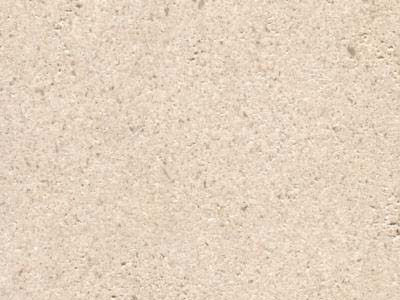
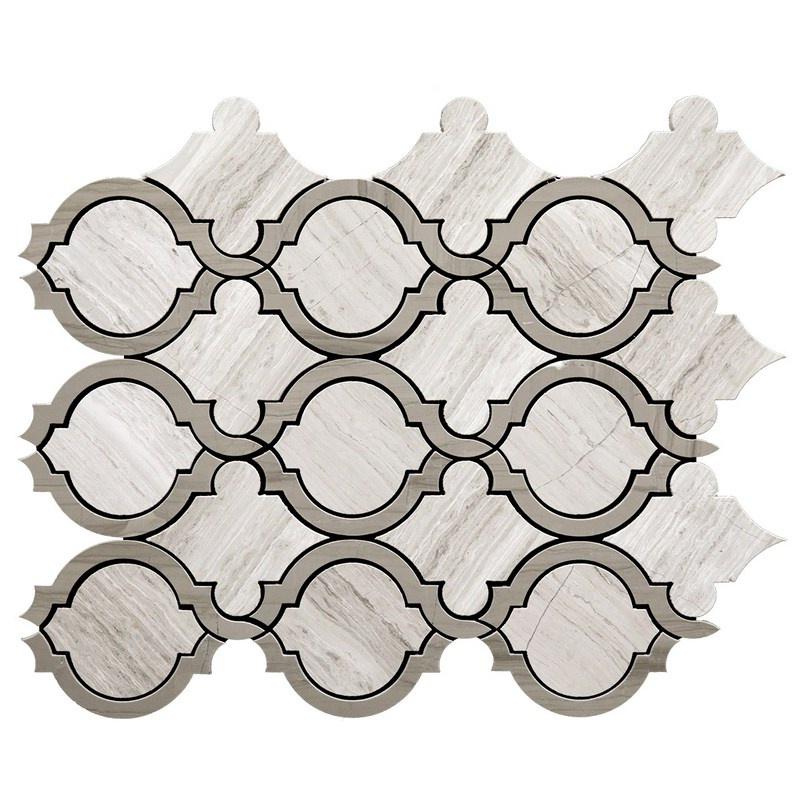
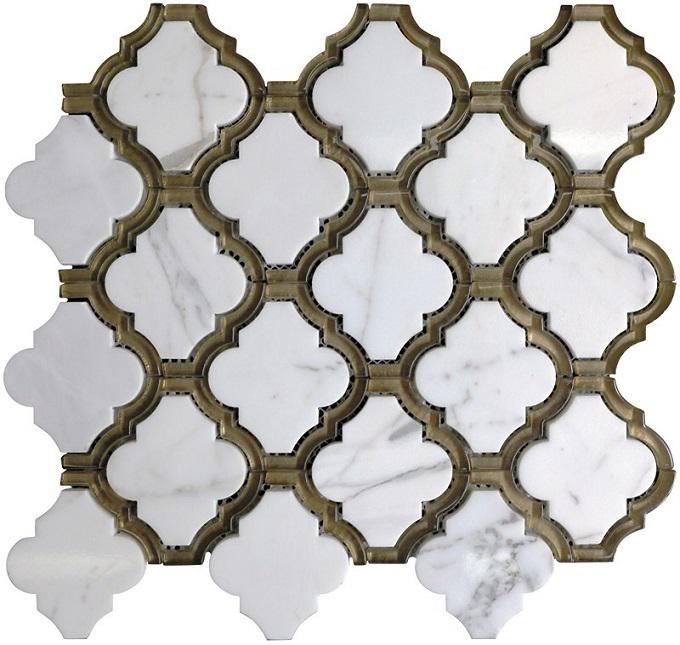
Natural stone mosaics feature geometric or floral compositions made from various types of marble and hard stones. Colors range from pure white to cream, gray, black, and earthy tones, creating harmonious visual contrasts. The natural veins of the stone give uniqueness to each individual element, making every mosaic distinct. The surface can be polished, honed, or satin-finished depending on the type of stone used. Thin strips and borders create precise delineations between the different color portions, clearly defining the chosen decorative motif.
Technical properties (indicative)
| Mohs Hardness | 3-4 |
|---|---|
| Water Absorption | Low-Medium 0.5-2% |
| Frost Resistance | Good (if denatured) |
| Acid Resistance | Low (limestone-sensitive) |
| Density | 2.6-2.7 g/cm³ |
Recommended uses
These mosaics are particularly suitable for flooring in high-end interiors, such as entrances, living rooms, and hallways. They are also used in bathrooms and kitchens as decorative inserts, borders, or countertops, provided the surface is treated with appropriate protective sealants. We do not recommend outdoor use exposed to extreme weather conditions or in high-traffic areas without prior assessment of the mechanical resistance of the individual elements. Inlay is ideal for creating visual focal points in residential and contract spaces that require distinctive personality and craftsmanship.
Care and maintenance
Maintenance requires periodic cleaning with neutral pH detergents, avoiding acidic or abrasive products that could damage the stone surface. Hydrophobic and splash-proof treatments should be applied at the time of installation and repeated periodically to maintain protective properties. For areas subject to higher wear, such as entrances, we recommend the use of protective mats. In case of stains, act promptly with specific products for natural stones, immediately removing spilled liquids to prevent infiltration into the material's pores.
Pairings
- Contemporary classic style with dark wood window frames and furniture in neutral tones to highlight geometric sophistication.
- Minimalist modern design with linear metal and glass furnishings to create balanced chromatic contrasts.
- Elegant rustic environments with exposed beams and warm tones that harmoniously dialogue with natural stones.
FAQ
Is it suitable for underfloor heating?
Yes, natural stone is well suited for heat transmission, ensuring energy efficiency.
How long does it last over time?
With proper maintenance, it can retain its characteristics for decades, developing a patina with use.
Can it be used outdoors?
It depends on the type of stone; we recommend technical consultation for prolonged exposure to weather conditions.
How is a broken element repaired?
Repair requires specialization; often it is necessary to replace entire slabs to ensure color consistency.
Products in Intarsio In Pietra Naturale
Mosaic Natural stone inlay — double-outline arabesque · MDCW01
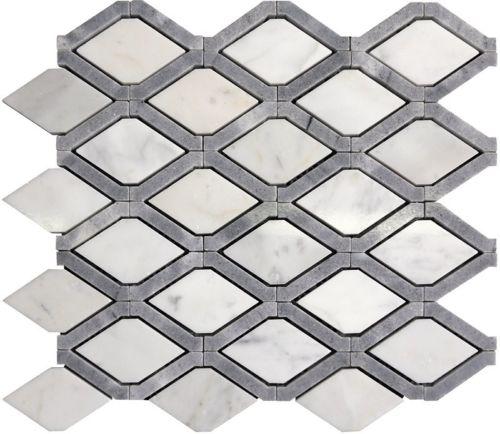
Mosaic Natural stone inlay — hexagons with grey borders · MDCW03
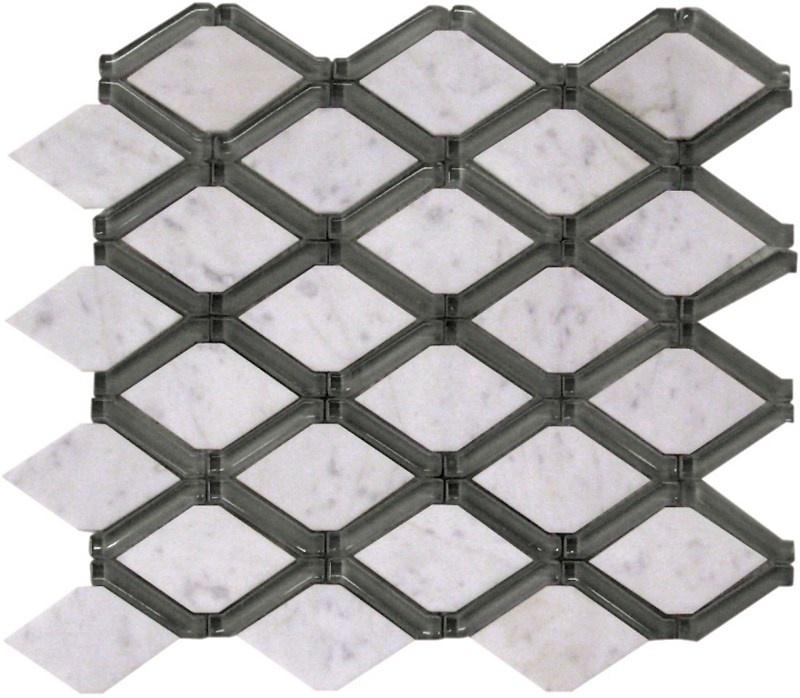
Mosaic Natural stone inlay — hexagons with black borders · MDCW04
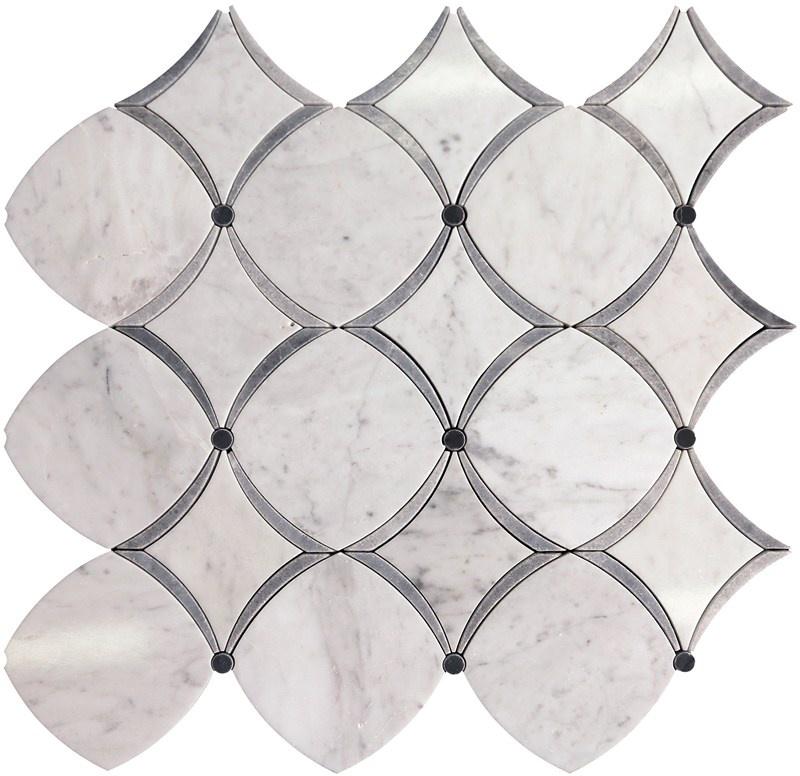
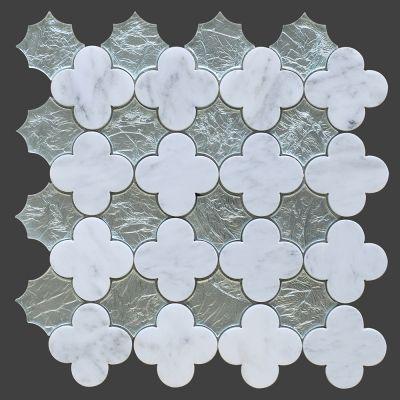
Mosaic Natural stone inlay — white and grey trefoil · MDCW06
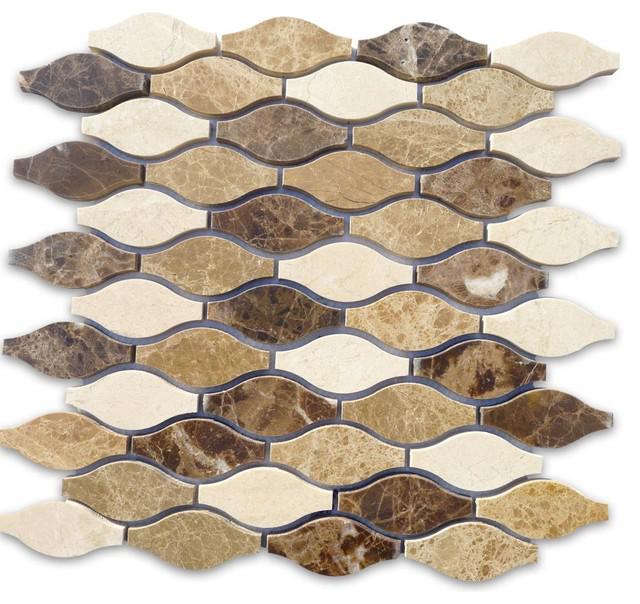
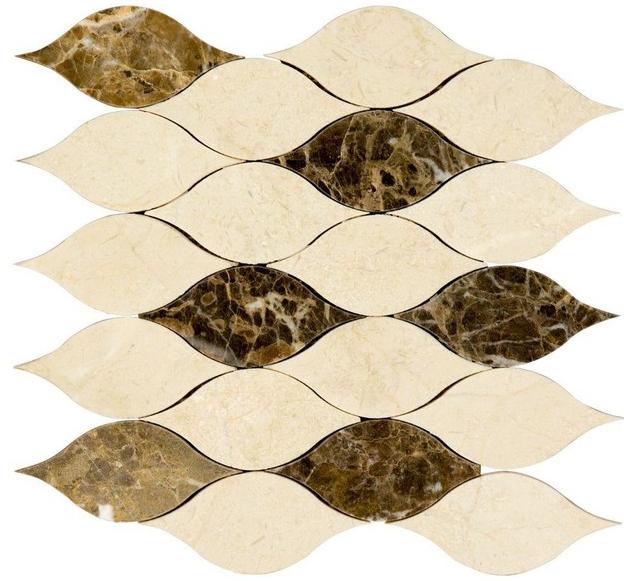
Mosaic Natural stone inlay — cream and brown waves · MDCW08
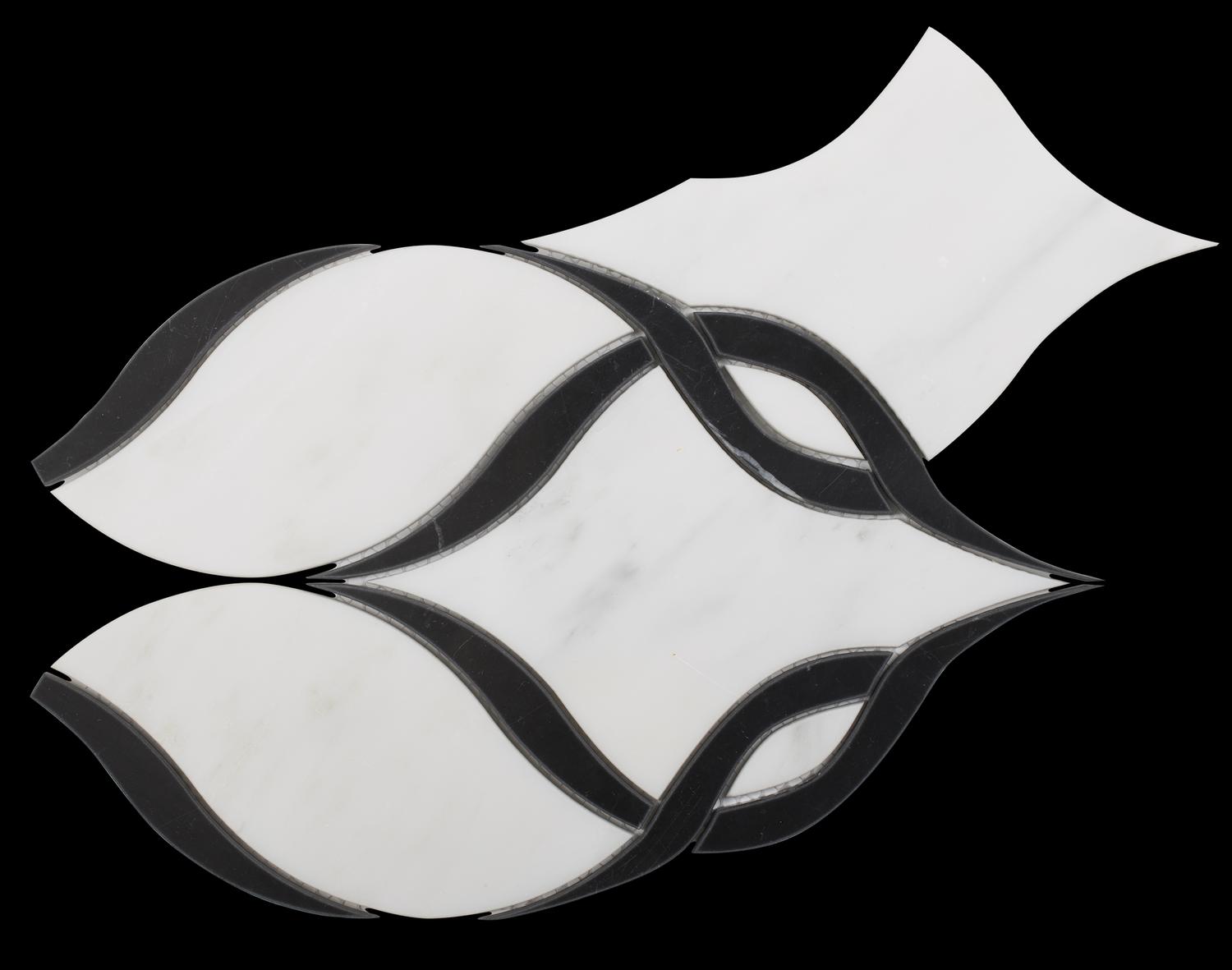
Mosaic Natural stone inlay — black interwoven petals · MDCW09
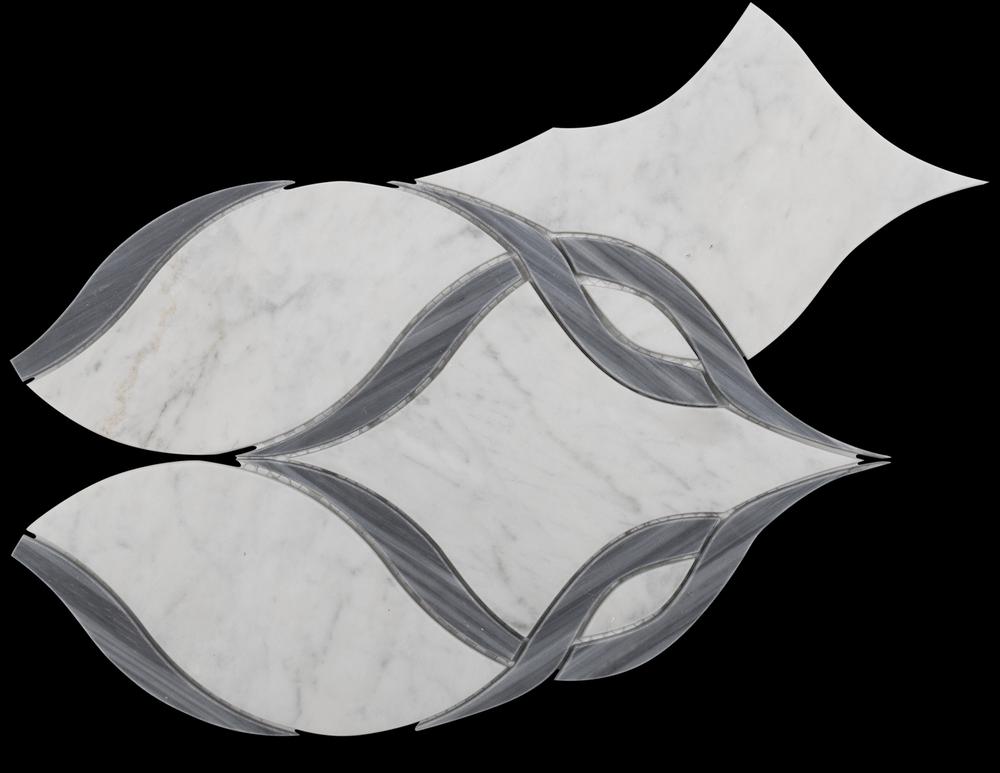
Mosaic Natural stone inlay — grey interwoven petals · MDCW10
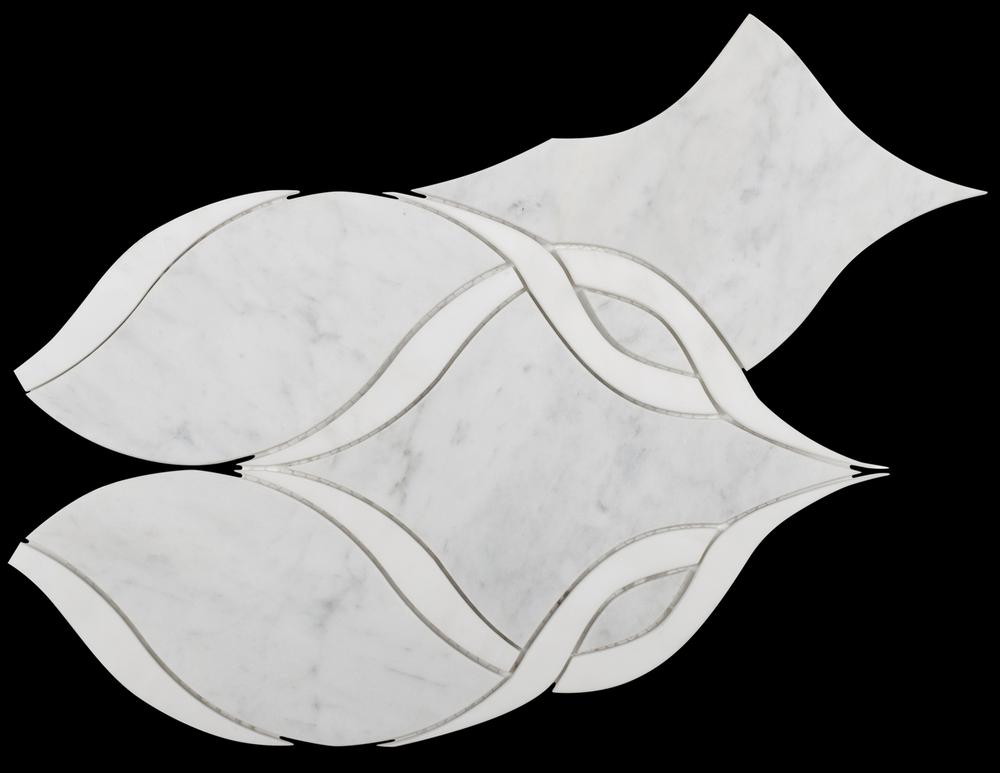
Mosaic Natural stone inlay — white interwoven petals · MDCW11
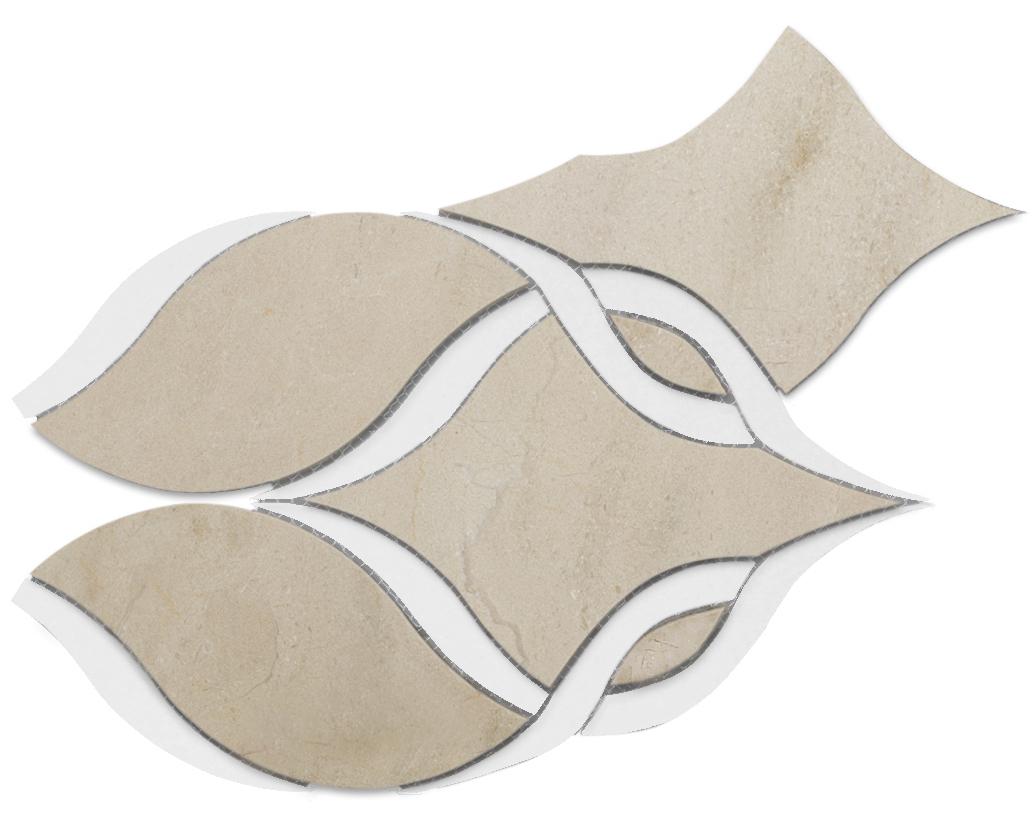
Mosaic Natural stone inlay — beige interwoven petals · MDCW12
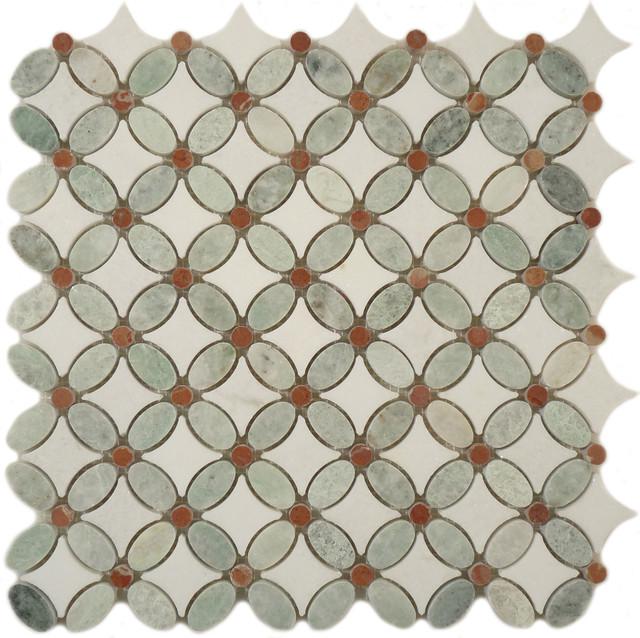
Mosaic Natural stone inlay — green and cream geometric flower · MDCW13
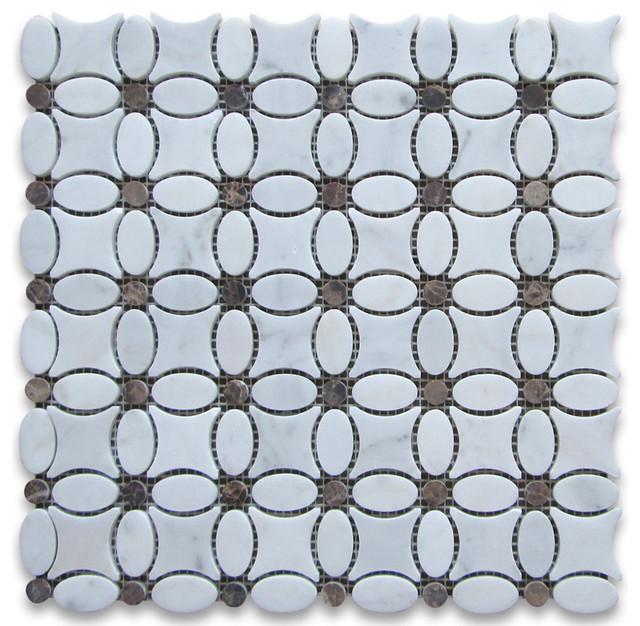
Mosaic Natural stone inlay — black and white interlocking rings · MDCW14
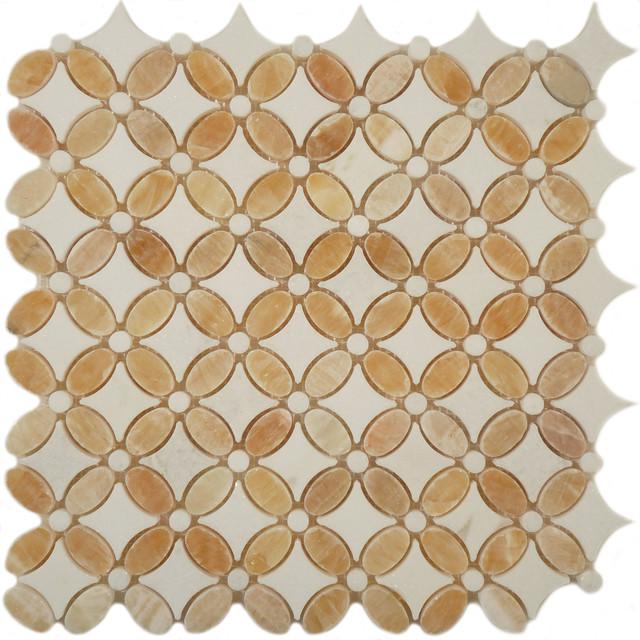
Mosaic Natural stone inlay — honey onyx geometric flower · MDCW15
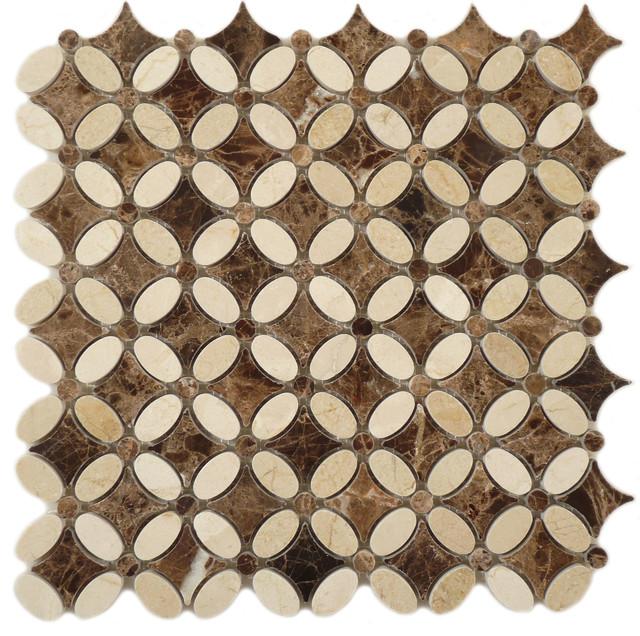
Mosaic Natural stone inlay — Emperador geometric flower · MDCW16
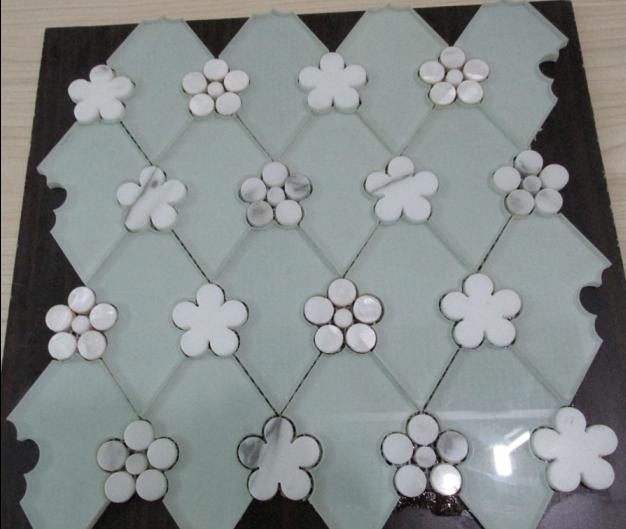
Mosaic Natural stone inlay — hexagons with mother-of-pearl flowers · MDCW17
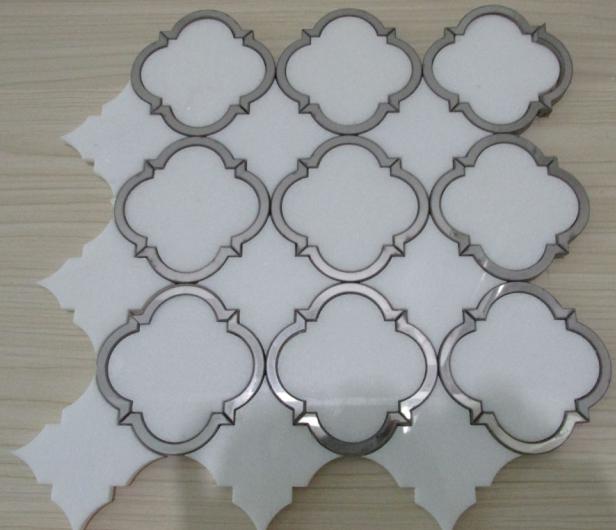
Mosaic Natural stone inlay — arabesque with metal outline · MDCW18
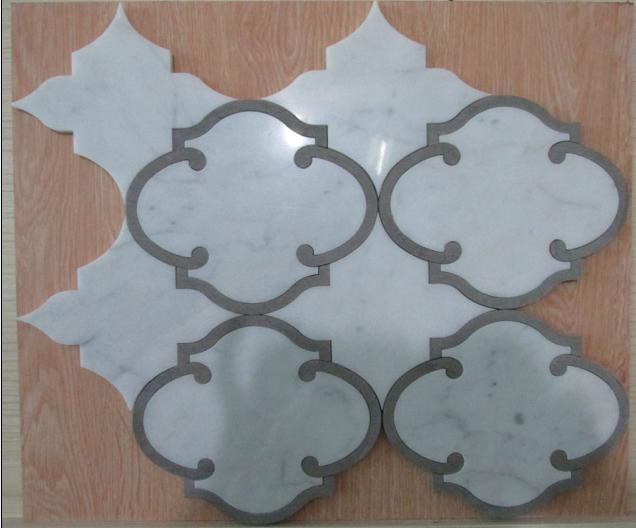
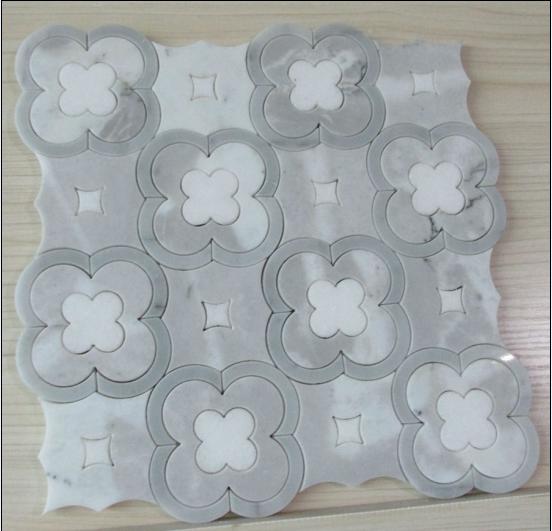
Mosaic Natural stone inlay — mother-of-pearl damask · MDCW20
Similar materials
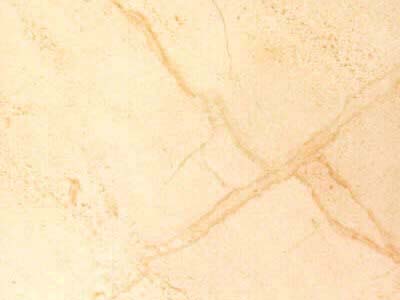
Caliza Alba
Stones and limestones · Read the guide →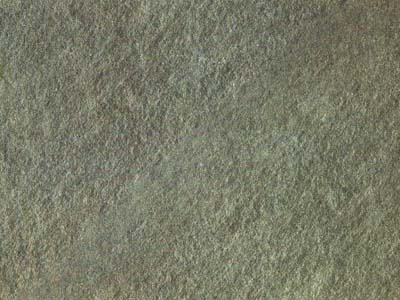
Ardesia Burlington
Stones and limestones · Read the guide →
Arenaria Di Heuchelberg
Stones and limestones · Read the guide →
Arenaria Di Burgpreppach
Stones and limestones · Read the guide →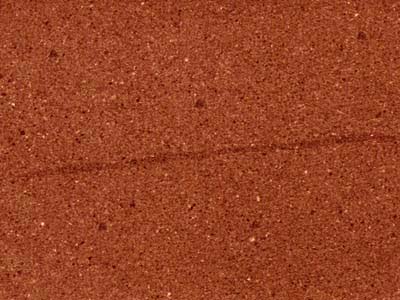
Arenaria Di Ebenheid
Stones and limestones · Read the guide →
Pietra Amelas
Stones and limestones · Read the guide →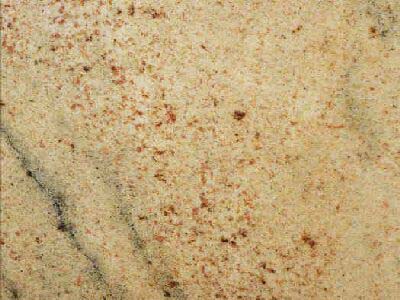
Arktinen Arkoosi
Stones and limestones · Read the guide →