Pietra di Carniglia: the complete guide
Pietra di Carniglia is a natural stone from the Emilian Apennines in grey-beige tones, linked to the traditional building of the area. It is chosen for restoration, cladding and exteriors with a rustic, authentic character.
History and origin
It takes its name from Carniglia, a locality in the Apennines near Parma, where the local stone has been used for centuries in houses, walls, portals and cobbled paving. It is a typical material of the area's rural architecture, still used today in renovations and new buildings in harmony with the landscape. Production is limited and tied to the territory. Marmi di Carrara supplies it on request.
Look and veining
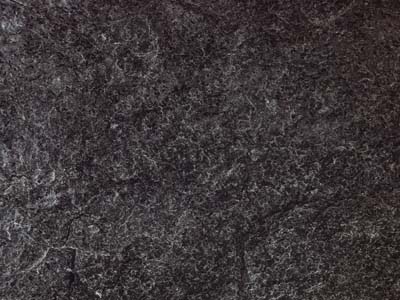
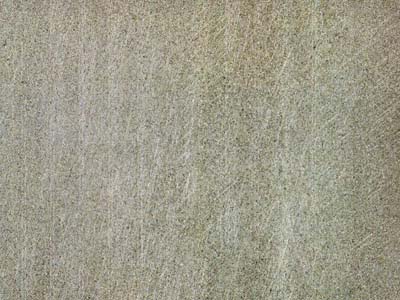
The colour is grey-beige with shadings that can tend towards brown or ochre, with a compact grain typical of Apennine sedimentary stones. Each piece shows variations in tone and texture, especially in split finishes. Traditional treatments such as bush-hammering and chiselling enhance its character; honing gives a more uniform look.
Technical properties (indicative)
| Classification | sedimentary stone (sandstone) |
|---|---|
| Bulk density | approx. 2,500 kg/m³ (indicative) |
| Mohs hardness | variable, medium |
| Water absorption | medium |
| Main use | exteriors and cladding |
| Acid resistance | fair, variable |
Recommended uses
Suitable for exposed masonry, cladding, thresholds, windowsills, outdoor stairs, paving and the restoration of historic buildings. Indoors it is used for fireplaces, walls and rustic floors. Not well suited to kitchen worktops because of its porosity and sensitivity to stains.
Care and maintenance
Apply a breathable water repellent on surfaces exposed to rain. Clean with water and soft brushes, avoiding acids and very high-pressure jets. Periodically check for moss and lichen in shaded areas.
Pairings
- chestnut wood
- terracotta roof tiles and lime plaster
- wrought iron and dark green window frames
FAQ
Why choose Pietra di Carniglia for a restoration?
Because it is the traditional stone of the area: it ensures consistency of colour and material with the historic buildings of the Parma Apennines.
Is it suitable for outdoor paving?
Yes, with split, bush-hammered or flamed finishes and adequate thicknesses, and with a water-repellent treatment.
How does it differ from Pietra Serena?
Both are Apennine sandstones, but from different areas: Pietra Serena is Tuscan and tends more towards blue-grey, while Carniglia has warmer grey-beige tones.
How do I order it?
It is available on request, in slabs or made-to-measure pieces: send us drawings and quantities for a quote and photos of the material.
Pietra Di Carniglia: available on request
We supply this stone as blocks, slabs, tiles and custom-made pieces. Tell us size, thickness and quantity: we will send photos of the available slabs and a quote within 24 hours.
Similar materials
Pietra Serena
Stones and limestones · Read the guide →
Pietra Amelas
Stones and limestones · Read the guide →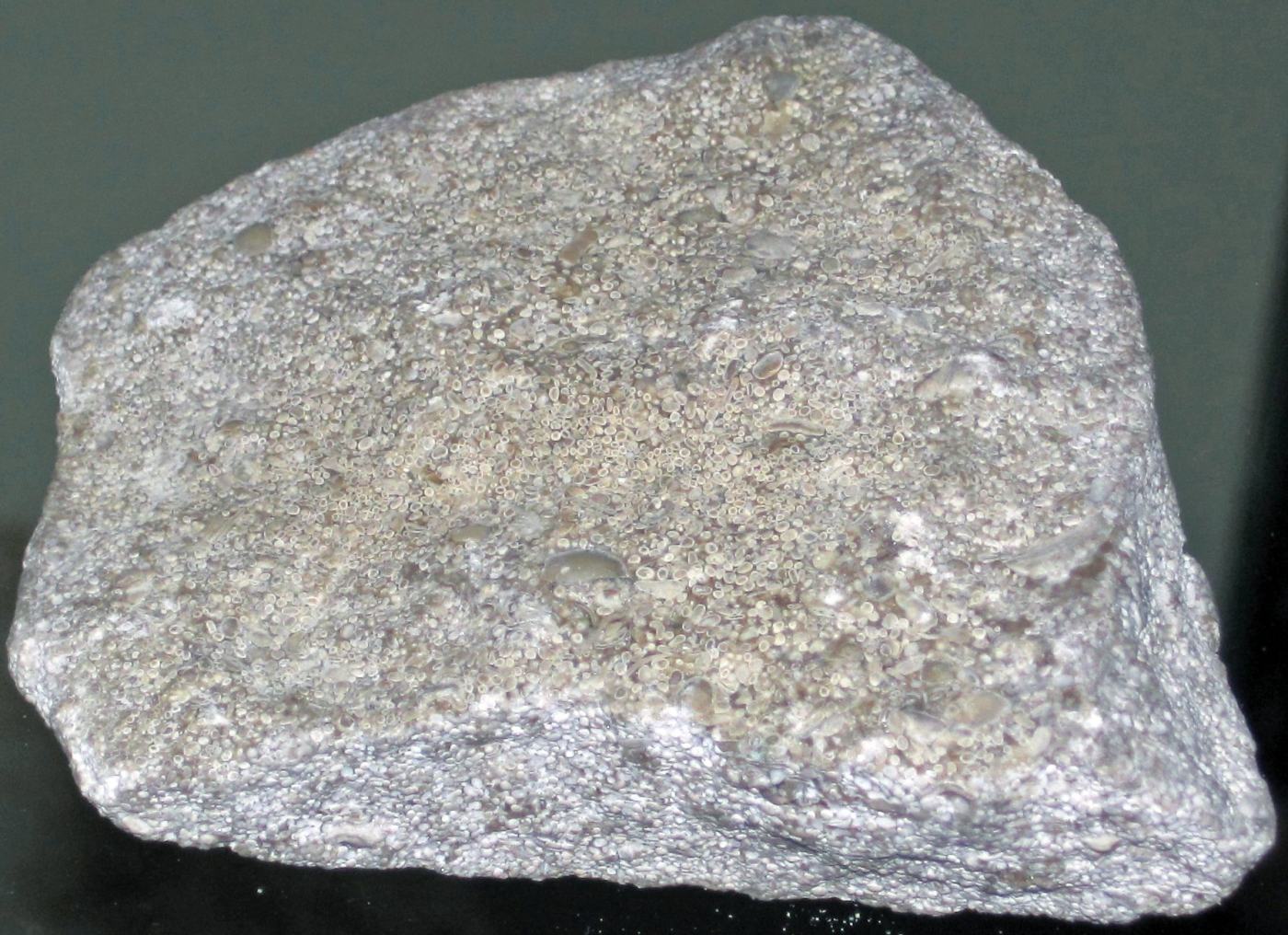
Indiana Limestone
Stones and limestones · Read the guide →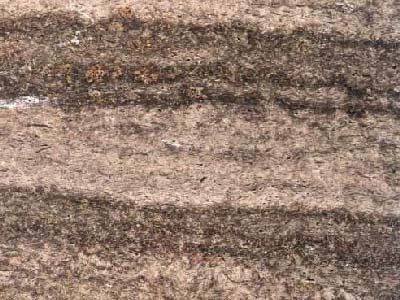
Muschelkalk Di Krensheim
Stones and limestones · Read the guide →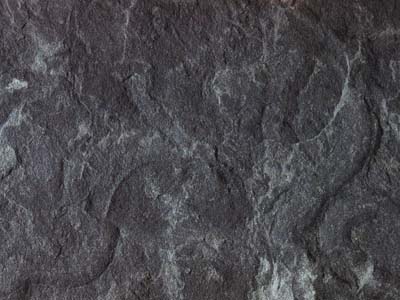
Pietra Di Liscannor
Stones and limestones · Read the guide →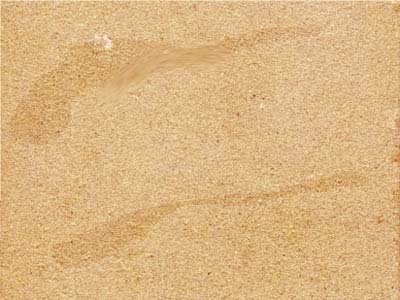
Arenaria Amherst
Stones and limestones · Read the guide →
Jura Beige
Stones and limestones · Read the guide →