 Foto: Sailko · CC BY 2.5 · Wikimedia Commons
Pietra Serena: the complete guide
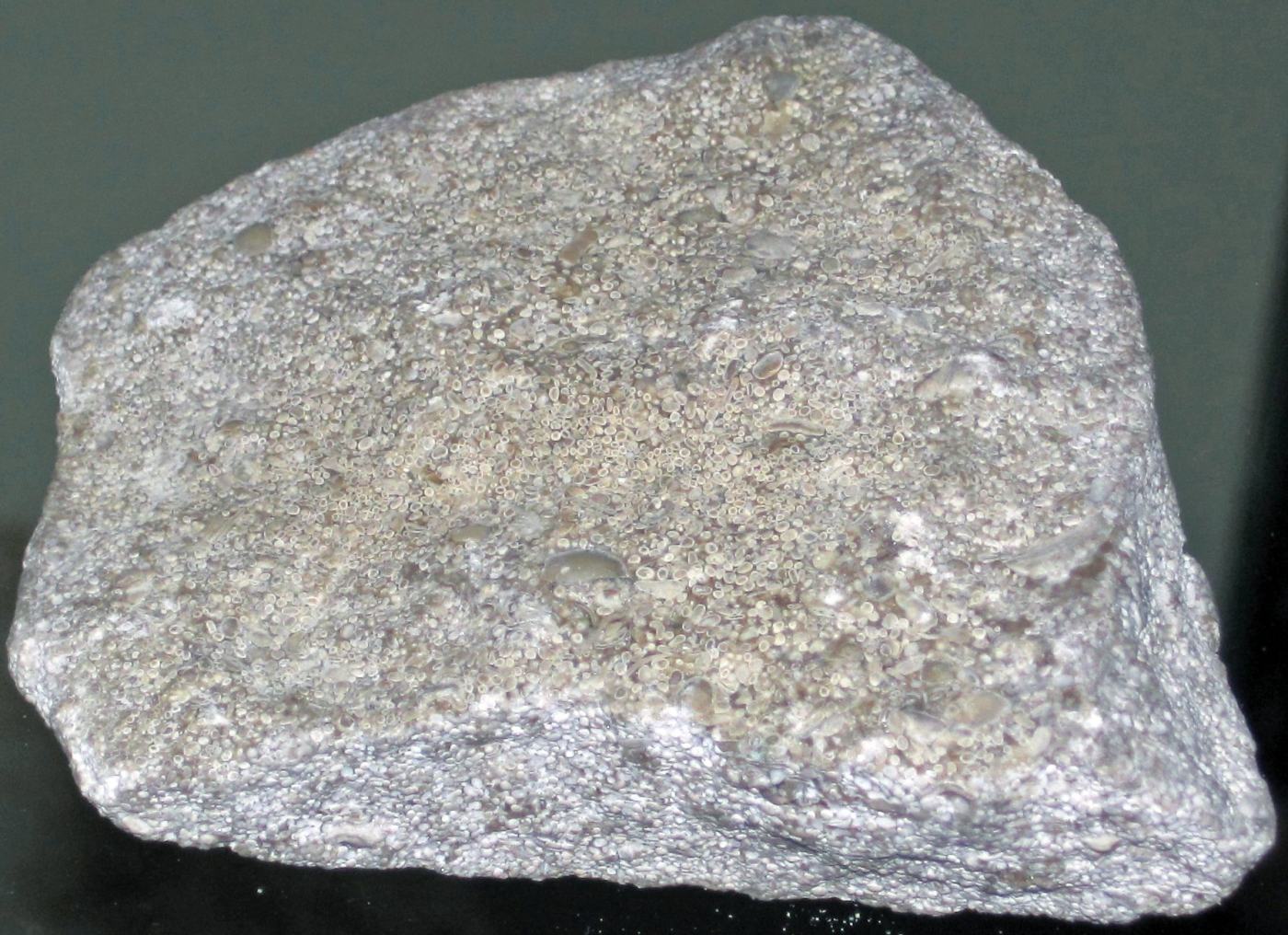
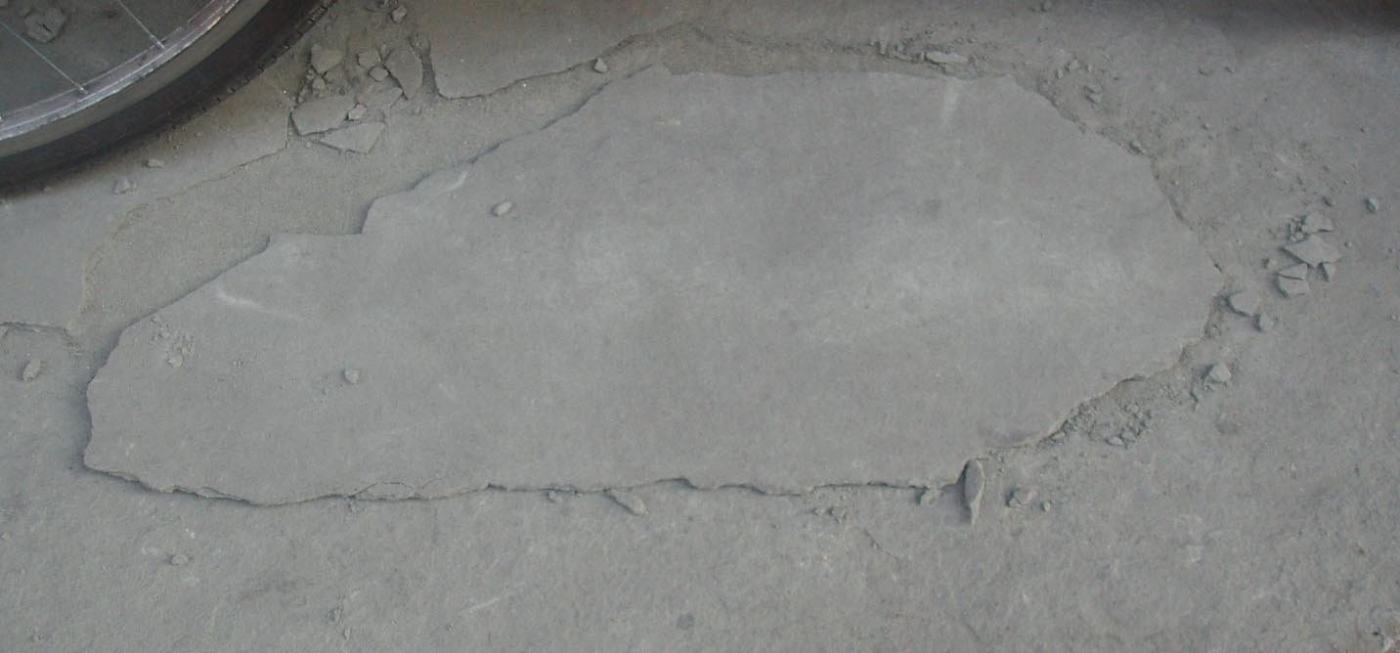
Pietra Serena is a blue-grey Tuscan sandstone with a fine, uniform grain. It is chosen for its historic value and for the restraint with which it defines architecture and interiors.
History and origin
It is a stone typical of Tuscany, inextricably linked to Florentine Renaissance architecture, where it outlines columns, cornices, arches and mouldings against white plaster. It is still used today for floors, stairs, thresholds, fireplaces and architectural elements. It is also easy to work by hand, for profiles and sculptures. Marmi di Carrara supplies it on request.
Look and veining
The background is grey with a typical bluish tinge, homogeneous and without marked veining. Slight variations in tone, small dark inclusions or thin laminations may appear. Honed, it has a soft, matt look, while bush-hammered, brushed or split-face finishes better reveal its granularity.
Technical properties (indicative)
| Classification | sandstone (sedimentary rock) |
|---|---|
| Bulk density | approx. 2,500-2,600 kg/m³ (indicative) |
| Mohs hardness | variable: quartz grains in a softer matrix |
| Water absorption | medium |
| Main use | interiors and sheltered exteriors |
| Acid resistance | medium: the carbonate binder is sensitive to strong acids |
Recommended uses
Ideal for interior floors, stairs, thresholds, windowsills, fireplaces, cornices and columns. Outdoors it is best used in sheltered positions, because direct exposure to rain and frost can cause surface flaking.
Care and maintenance
Treat with a breathable water repellent, especially on elements at risk of damp. Clean with neutral products, avoiding acids and high-pressure washers. Matt surfaces keep their appearance well, developing a slight patina over time.
Pairings
- white lime plaster
- Tuscan terracotta
- chestnut or walnut wood
FAQ
What is the difference between Pietra Serena and Pietra Forte?
Both are Tuscan sandstones; Pietra Serena is blue-grey and better suited to interiors and sheltered exteriors, while Pietra Forte is yellowish-brown and more resistant to weathering.
Can it be used in a bathroom?
Yes, for floors and cladding, provided it is treated with a water repellent and cleaned with gentle products; for shower trays it is best to consult our technical office.
Which finishes are available?
Honed, bush-hammered, brushed, sandblasted, grooved and split-face, as well as profiles and mouldings made to drawing.
How do I order it?
On request: send us drawings or dimensions of floors, stairs and architectural elements, and we will prepare a quote with photos and samples.
Pietra Serena: available on request
We supply this stone as blocks, slabs, tiles and custom-made pieces. Tell us size, thickness and quantity: we will send photos of the available slabs and a quote within 24 hours.
Similar materials
Scisto Maculato Di Theuma
Stones and limestones · Read the guide →
Peperino
Stones and limestones · Read the guide →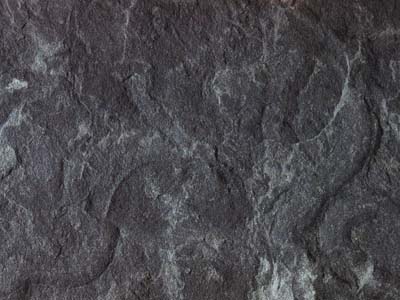
Pietra Di Liscannor
Stones and limestones · Read the guide →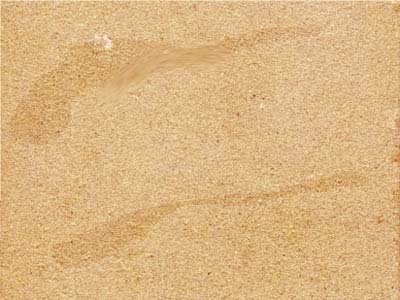
Arenaria Amherst
Stones and limestones · Read the guide →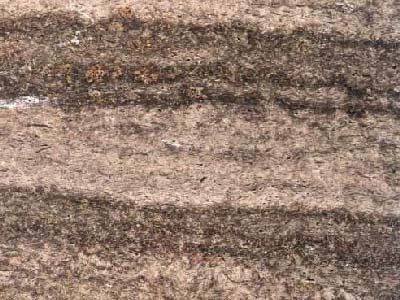
Muschelkalk Di Krensheim
Stones and limestones · Read the guide →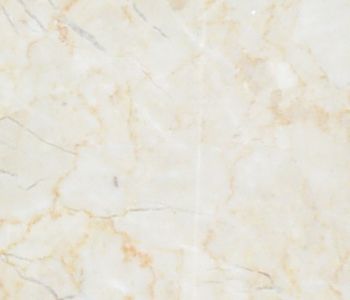
Pietra Amelas
Stones and limestones · Read the guide →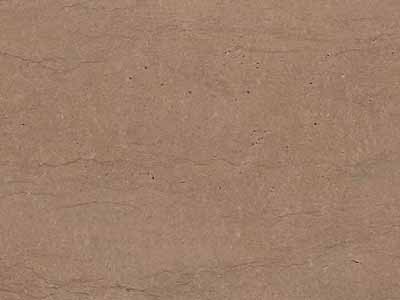
Pietra Adair
Stones and limestones · Read the guide →